Quiet luxury fades as 2026 turns to color and statement style
Quiet luxury is yielding to color, sculptural jewelry, and playful texture, and the strongest signals point to a real commercial reset.
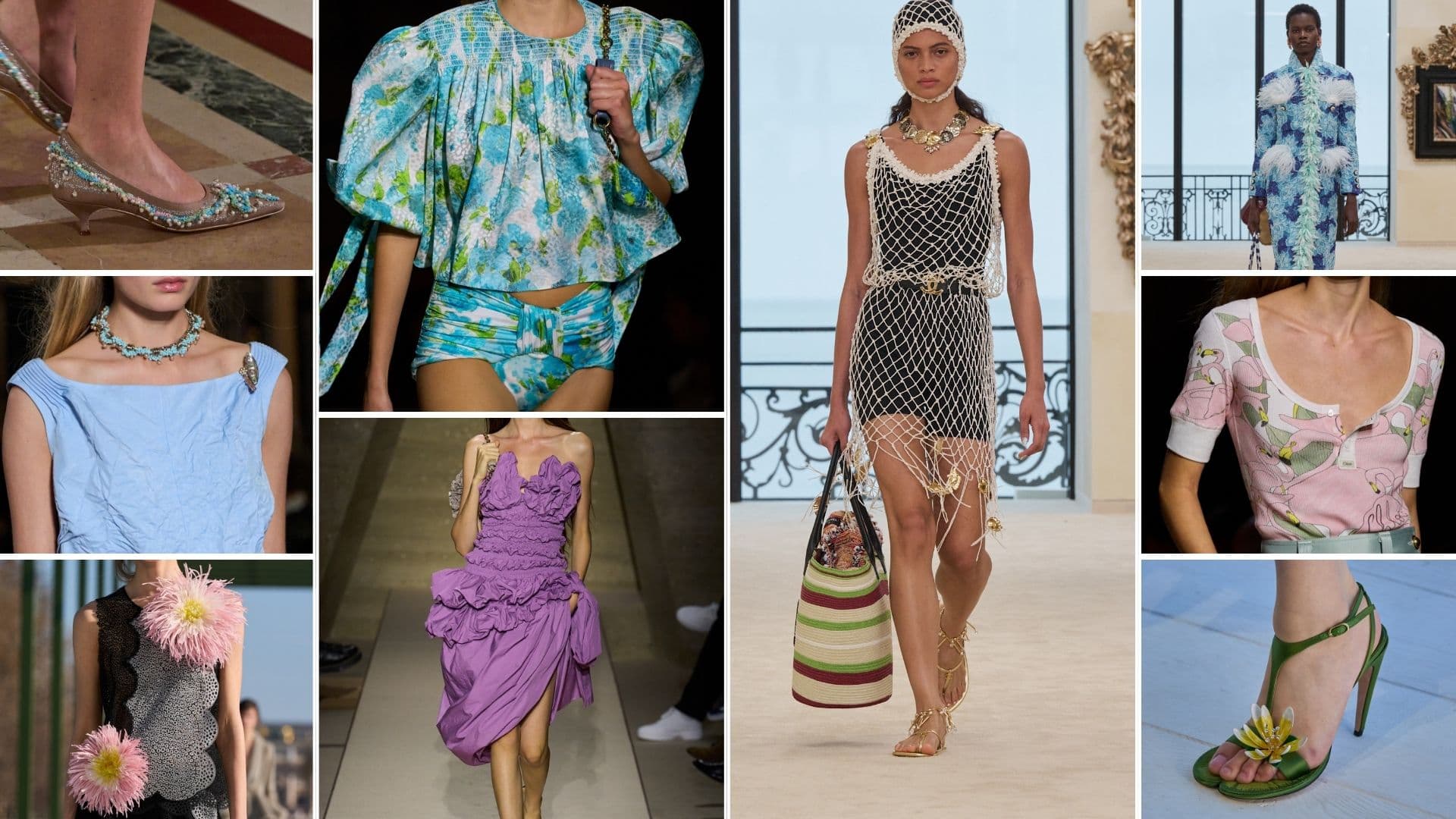
The new mood is louder, and it looks intentional
The most revealing thing about 2026 style is not that fashion has grown louder, but that it has grown more deliberate about being seen. Who What Wear’s summer read on the market says the quiet-luxury era as we know it is over, replaced by color, fun, texture, mermaid-inspired beachwear, and jewelry that feels almost childlike in its joy. That matters because it lines up with what forecasting platforms and runway reporting are actually backing, not just what looks good on a mood board.
Quiet luxury did its job, and then the market moved on
Quiet luxury became dominant in 2023 as a response to maximalism, logomania, and the cost-of-living crisis, a polished palate cleanser built on cashmere, clean lines, and logo-free restraint. FashionUnited’s read on JOOR showed how commercially strong that appetite was at the time: orders from 15 luxury brands rose 6 percent in number of orders and 22 percent in wholesale transaction volume year over year, even as retailers bought 22 percent fewer logo products. In other words, the market once rewarded discretion because discretion looked like sophistication.
Color is now doing the heavy lifting
Pantone’s Spring/Summer 2026 New York Fashion Week report, released on September 11, 2025, gives the clearest signal that understatement is no longer the season’s organizing principle. The report centers a mix of divergent colors designed to unleash individual expression, and it describes designers stepping into personal expression as a bulwark against sameness. Pantone’s top ten colors and six seasonless shades are not just decorative palette choices; they frame color as identity, which is a very different proposition from the hush of quiet luxury.
Statement jewelry is the clearest proof that the pendulum has swung
If you want the least ambiguous sign of the shift, look at jewelry. WWD’s Paris Fashion Week coverage from October 10, 2025 highlighted geometric interplays, sinuous lines, chunky volumes, a dash of color, and pearls with a contemporary edge, all under the banner of self-expression. JCK pushed the point further in its December 24, 2025 runway report, calling new maximalism on the rise and describing adornment in 2026 as a matter of intentionality, scale, and high-fashion function. By February 8, 2026, Who What Wear was already reading spring/summer 2026 jewelry on the runways, which tells you this was never just an internet fantasy. It was a category-wide pivot.
Pinterest gives the trend its shopping language
Pinterest Predicts 2026 turns the mood into something retailers can actually merchandise. Its “Glamoratti” forecast is explicitly driven by Gen Z and Millennials, and it points to chunky belts, baggy suits, high-collar jackets, gold cuffs, and 3D jewelry as the look’s most legible signals. The search numbers are hard to ignore: chunky belt rose 65 percent, baggy suit 90 percent, gold cuff 50 percent, and 80s luxury 225 percent. That is not a tiny niche trend hunting for oxygen, it is evidence that consumers are already searching for a more sculpted, more polished, more obviously styled version of glamour.
What the shift actually looks like on the body
The new maximalism is not about drowning yourself in everything at once. It is about choosing one or two elements that change the temperature of a look: a gold cuff that reads like armor, a baggier suit cut with shoulder drama, a print that breaks the hold of beige, or beachwear with shimmer and fantasy rather than anonymity. Even the jewelry language is different now, moving from barely there to sculptural, colorful, and scale-conscious, which is why the season feels less like a nostalgia play and more like a recalibration of what polished dressing means.
The real story of 2026 is not that minimalism disappeared overnight. It is that fashion, from the runway to search data to retailer appetite, is rewarding clothes that make a clear visual statement, and that is usually where a trend stops being content and starts becoming commerce.
This article was produced by Prism’s automated news system from verified source data, official records, and press releases, then run through automated quality and moderation checks before publishing. The system is built and supervised by the people who set the standards it runs under. Read our full AI policy.
Did this article answer your question?


