Soccer jerseys score as summer 2026's must-have fashion statement
Soccer shirts are breaking out of the stands and into summer wardrobes, powered by World Cup fever, Pinterest spikes, and fashion labels chasing the jersey’s new cash value.
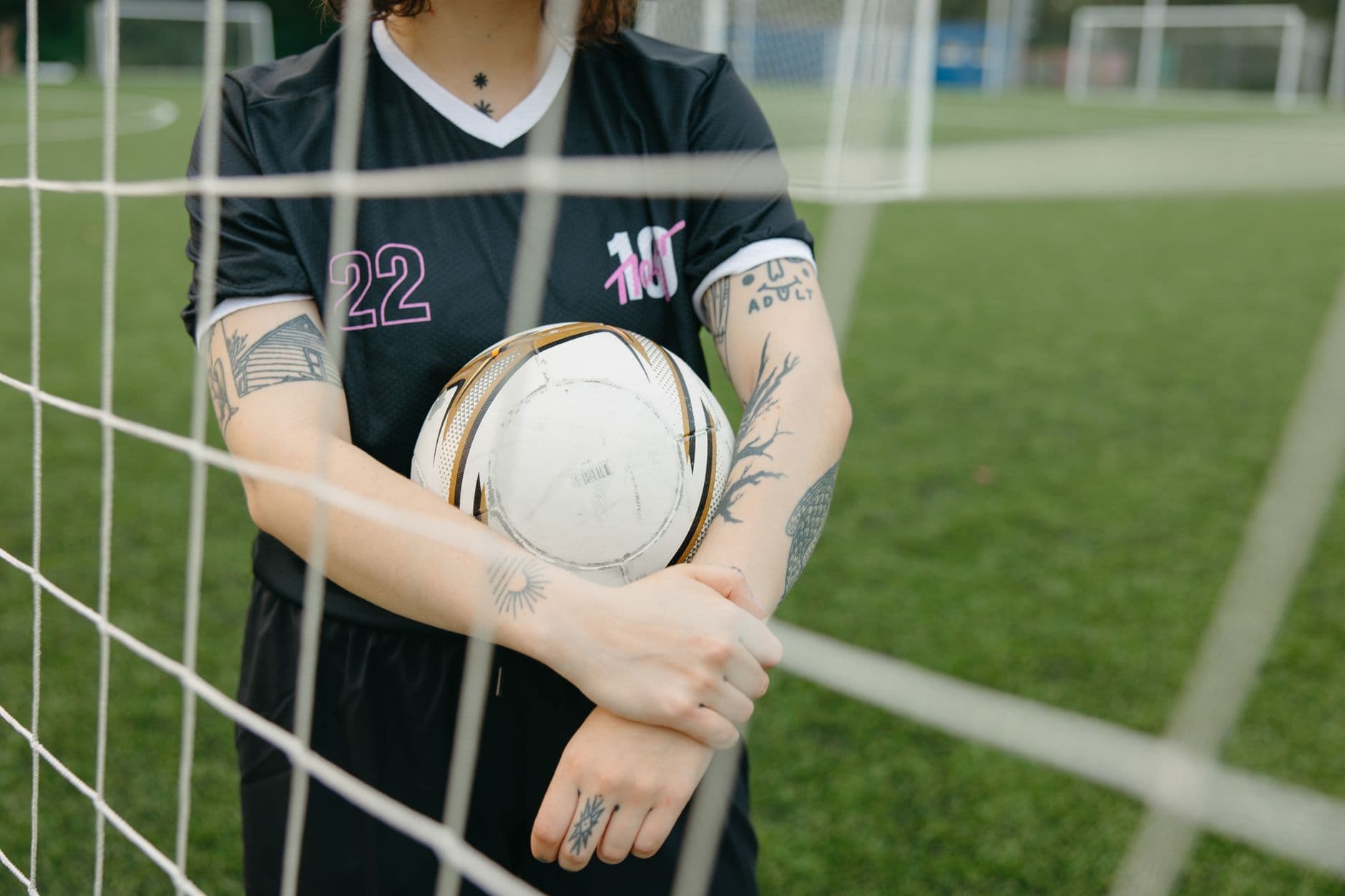
The easiest way to spot summer 2026 style is a football shirt worn wrong on purpose, half tucked into slouchy jeans and finished with flip-flops that would never survive a real match. That is the whole point: the jersey is no longer acting like team merch, it is acting like a fashion piece with attitude, a little nostalgia, and enough crossover heat to sell far beyond the stadium.
The jersey is no longer just for supporters
The Zoe Report is right to treat the soccer jersey as a real style statement, because the best versions now read less like souvenir gear and more like a shortcut to a look. The styling cues are already clear: oversized denim, easy sandals, and that blunt, slightly offhand mix that makes a sports shirt feel cool instead of literal. Once a piece starts showing up as a styling anchor rather than a proof of allegiance, it has officially entered fashion territory.
That shift matters because the jersey solves a problem summer clothes always have. It brings color, logos, and graphic energy without the heaviness of a full outfit, and it lets the wearer borrow the emotional charge of sport without dressing like they just left the pitch. In streetwear terms, it has the same appeal as a rare vintage tee or a perfectly faded track top, only this version arrives with instant cultural recognition.
Pinterest is tracking the mood, not just the garment
Pinterest’s Summer 2026 Trend Report puts numbers behind the vibe. Based on search behavior from more than 600 million monthly active users worldwide, the platform says sports are becoming “a broader cultural language,” and the data backs up the shift. Searches for “World Cup jerseys” have jumped 840 percent, while “baddie tracksuit outfit” is up 276 percent, a tidy sign that sport-inspired dressing is no longer confined to jersey purists.
The more interesting detail is how people are styling these pieces. Search interest is rising around jerseys and tracksuits worn with heels, which tells you everything about where this trend lives now. It is not about looking like you are headed to a match in the first place. It is about using athletic references as fashion contrast, the same way people once used tailoring with sneakers or lingerie slips with leather jackets.
The World Cup is pouring gasoline on the trend
Timing is doing a lot of the work here. The 2026 FIFA World Cup is underway in North America, running from June 11 to July 19, 2026, across the United States, Mexico and Canada. With 48 teams and 104 matches, the tournament is massive enough to dominate summer conversation, which gives football shirts the kind of visibility most fashion items can only dream about.
That global stage is exactly why the jersey keeps escaping its original lane. When match schedules are everywhere and flags are part of the feed, the shirt stops feeling niche and starts feeling current. Fashion loves an object with built-in narrative, and the World Cup gives the jersey a ready-made story about place, identity, rivalry, and spectacle.
Who is cashing in on the shift
The sharpest commercial play so far is the American Eagle and Umbro collaboration, launched in June 2026. It is limited-edition, football-inspired, and broad enough to reach far beyond the replica-shirt crowd, with jerseys, dresses, hats, T-shirts, shorts, accessories and more in the mix. That breadth is the giveaway: this is not just about dressing fans, it is about packaging football culture as a retail language that can live in the mall, on social feeds, and in a summer wardrobe.
The collection’s appeal comes from how it updates sports heritage without leaving it behind. Umbro brings the football credibility, while American Eagle brings the youth-market muscle and the casual, all-day wearability that makes a trend spread. Together they turn the jersey into one piece of a full look instead of a solitary item, which is exactly how fashion categories expand.
The small labels are making the idea feel more expensive
If the mainstream collaboration turns the jersey into a product, the smaller labels are making it feel collectible. Cossa New York, founded in 2025 by Aleksija Vujicic, Amelia Mehta and Lia Porcelli, reworks vintage soccer jerseys as one-of-one fashion pieces. That matters because scarcity changes the entire conversation, shifting the shirt from licensed fan object to artful fashion object with a second life.
Carolina K takes a different route with La Diez, a limited-edition Argentina jersey made by female artisans from 100 percent Pima cotton. That material choice is a serious upgrade from the usual performance-polyester feel, which gives the piece a softer hand and a more luxurious drape. It also pushes the jersey into a more elevated conversation, where craftsmanship and origin matter as much as team colors.
Why this version of the jersey might stick
The reason this trend has legs beyond one tournament summer is that it now sits at the intersection of three strong habits: sports nostalgia, casual dressing, and logo-driven fashion. A jersey can be worn loose with jeans, styled with heels, layered over a tank, or treated like a statement top, which makes it far more versatile than a novelty tee. It can also move between price points, from mass-market collaborations to handmade limited editions, which is exactly how a category becomes commercially durable.
Still, not every football shirt will survive the cycle. The ones that last will have either a strong design point, like a vintage rework, or a clear fashion-use case, like the AE x Umbro capsule’s broader wardrobe spread. The weak ones will fade back into souvenir status once the matches end.
For now, though, the jersey has something most trends are desperate for: a real reason to exist in the season. It has the World Cup, the social-media appetite for sport-coded dressing, and brands from American Eagle to Carolina K turning it into something you can style, collect, and wear long after the final whistle.
This article was produced by Prism’s automated news system from verified source data, official records, and press releases, then run through automated quality and moderation checks before publishing. The system is built and supervised by the people who set the standards it runs under. Read our full AI policy.
Did this article answer your question?


