Spring Denim Revisits Y2K, Low-Rise Jeans and Mini Skirts Return
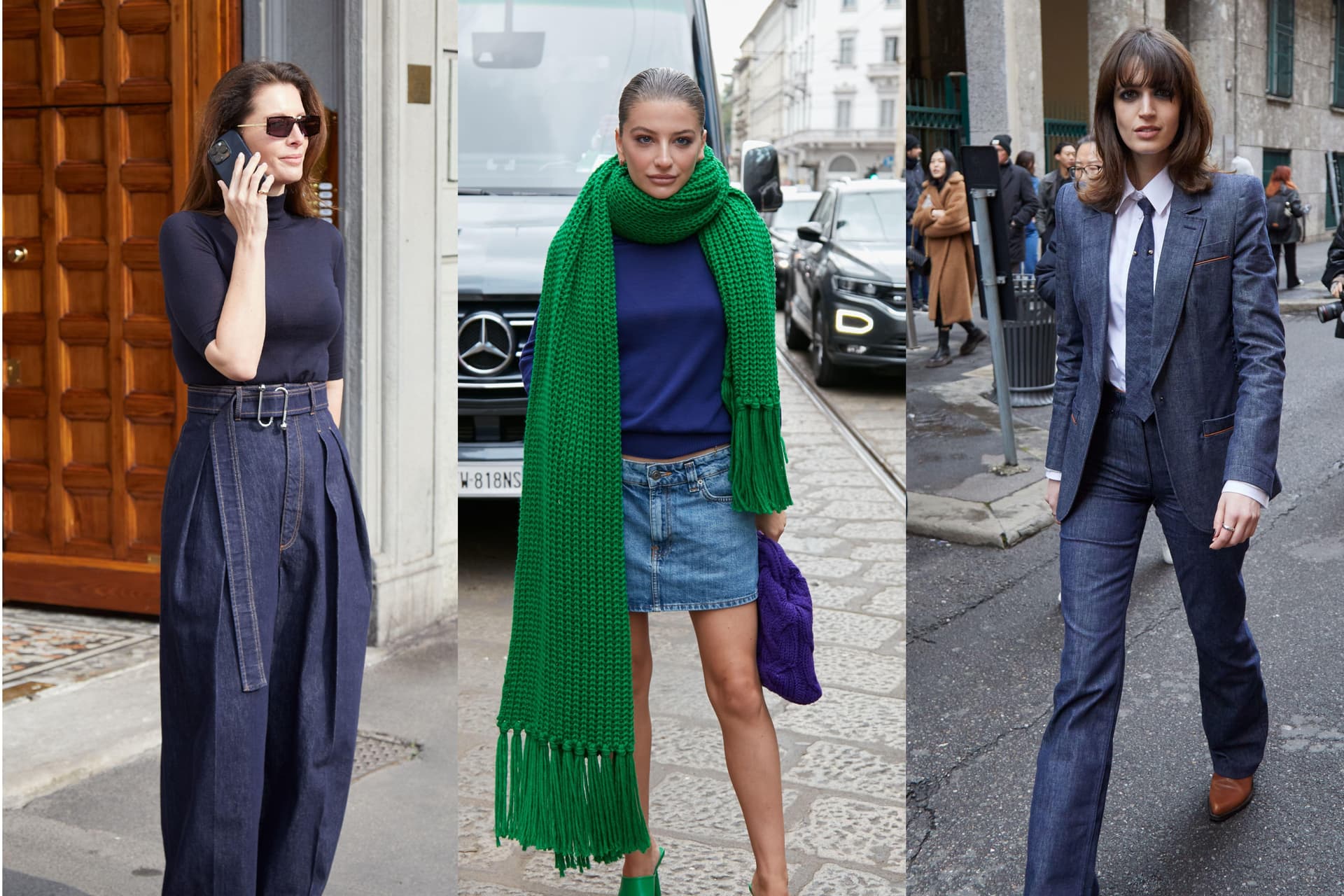
Y2K denim is back, but it is softer, looser, and far easier to wear. Low-rise jeans, mini skirts, and double denim now read as polished wardrobe pieces, not costume.
A reset, not a replay
Jonathan Anderson’s first womenswear show for Dior at Paris Fashion Week, which earned a standing ovation on October 1, 2025, helped define the mood now gathering around denim: fashion wants reinvention more than imitation. That is exactly why this spring’s return to low-rise jeans, mini skirts, bootcuts, and double denim feels sharper than a simple nostalgia loop. The old reference points are there, but the effect is less flashback and more recalibration, with cleaner proportions and a stronger sense of real-life wear.
The biggest shift is that denim no longer has a single approved silhouette. WWD reported that shoppers were buying low-rise, mid-rise, and high-rise all at once, which is the clearest sign that the market is broadening rather than swinging to one extreme. After years of wide-leg dominance and ultra-high waists, the new denim story is about range, and that range makes the trend easier to adopt without rebuilding your wardrobe from scratch.
Why low-rise feels different now
Low-rise is the headline, but the modern version is not the skin-baring, ultra-tight cut most people remember from the early 2000s. WWD said the Spring/Summer 2026 runways in Milan, Paris, and Copenhagen all but sealed its return, yet the jeans were looser, slouchier, and more relaxed than the original silhouette. That matters because it changes the attitude of the garment: the waistband drops, but the leg gives you room, so the result is more fluid than fussy.
Silver Jeans Co. said low- and mid-rise are making a major comeback with Gen Z and younger millennials, which helps explain why the new version feels less like costume and more like a wardrobe option. Natalie Nelson of Denim Forum has framed high-rise as one tool among many, and that is the clearest way to read the moment. The trend is not erasing previous fits. It is widening the menu.
For styling, the cleanest low-rise jean looks are the ones that keep the rest of the outfit under control. A fitted rib tank, a neat knit polo, or a cropped blazer gives the waistband some purpose. The point is to make the line look intentional, not accidental.
The mini skirt returns with polish
The denim mini is back too, but the vibe has changed. Who What Wear tracked low-rise skirts on the Spring/Summer 2026 runways at Chanel, Tory Burch, Tove, Mugler, Toga, and Meryll Roge, and the common thread was maturity. The skirt sits lower, the finish is neater, and the styling feels more considered than the early-2000s version, which often leaned heavily on novelty and attitude.
This is where the trend becomes surprisingly easy to wear. A denim mini does not need to read as party dressing. Pair it with a crisp button-down, a compact sweater, or a tailored jacket and it becomes a sharp day look, especially with loafers, low-heeled boots, or a sleek flat. The difference between then and now is restraint: fewer embellishments, better shape, and a stronger sense of proportion.

If you already own a denim mini, this is the place to start before you buy anything new. The most modern version may already be hanging in your closet, waiting for a better top and a less literal attitude.
Bootcut and double denim make the revival practical
Bootcut jeans are the quiet hero of this Y2K reset. They nod to the early 2000s without insisting on the full retro package, and they offer an easy bridge between slimmer denim and the looser silhouettes now gaining ground. When the flare is subtle and the wash is clean, bootcut feels polished rather than dated. It works especially well with pointed-toe shoes, heeled boots, or a neat leather belt that gives the shape a little structure.
Double denim, meanwhile, is the easiest trend to rebuild from what you already own. A denim jacket and jeans, a denim shirt and skirt, or a shirt worn open over a tank can all deliver the look without buying a single new piece. The trick is to make the combination feel edited: either match the washes closely for a sleek column effect, or separate them clearly so the eye reads contrast rather than effort.
That is where this trend becomes smarter than the average nostalgia cycle. Double denim can be assembled from pieces people already have, and that gives it a sustainability edge that matters. Rewearing a jean jacket from years ago or pairing an old bootcut with a current shoe is more responsible, and often more stylish, than chasing the newest cut every season.
What the denim industry is telling you
The broader market is backing this shift. Ricki Robinson of Hudson has said there is no longer one dominant denim winner, and that feels exactly right for the moment. Cone Denim is designing fabrics for loose silhouettes still driven by the ’90s and early 2000s, which shows that the change is not just aesthetic. It is moving through the supply side too, with mills and brands adjusting to the demand for roomier, less rigid denim.
That is why the return of Y2K denim should not be read as a throwback headline. It is a sign that shoppers want options that flatter different bodies, different dressing habits, and different levels of boldness. Low-rise can be softened. The mini can be made polished. Bootcut can be quietly chic. Double denim can be done from the closet you already have.
The real story is not that early-2000s denim is back. It is that fashion finally seems to have found a way to make it useful again.
This article was produced by Prism’s automated news system from verified source data, official records, and press releases, then run through automated quality and moderation checks before publishing. The system is built and supervised by the people who set the standards it runs under. Read our full AI policy.
Did this article answer your question?


