Study finds fashion still overrepresents ultra-thin bodies on runways
A 793,199-image study found runway, ad and cover casting still favors ultra-thin bodies, even as fashion has widened its diversity language.
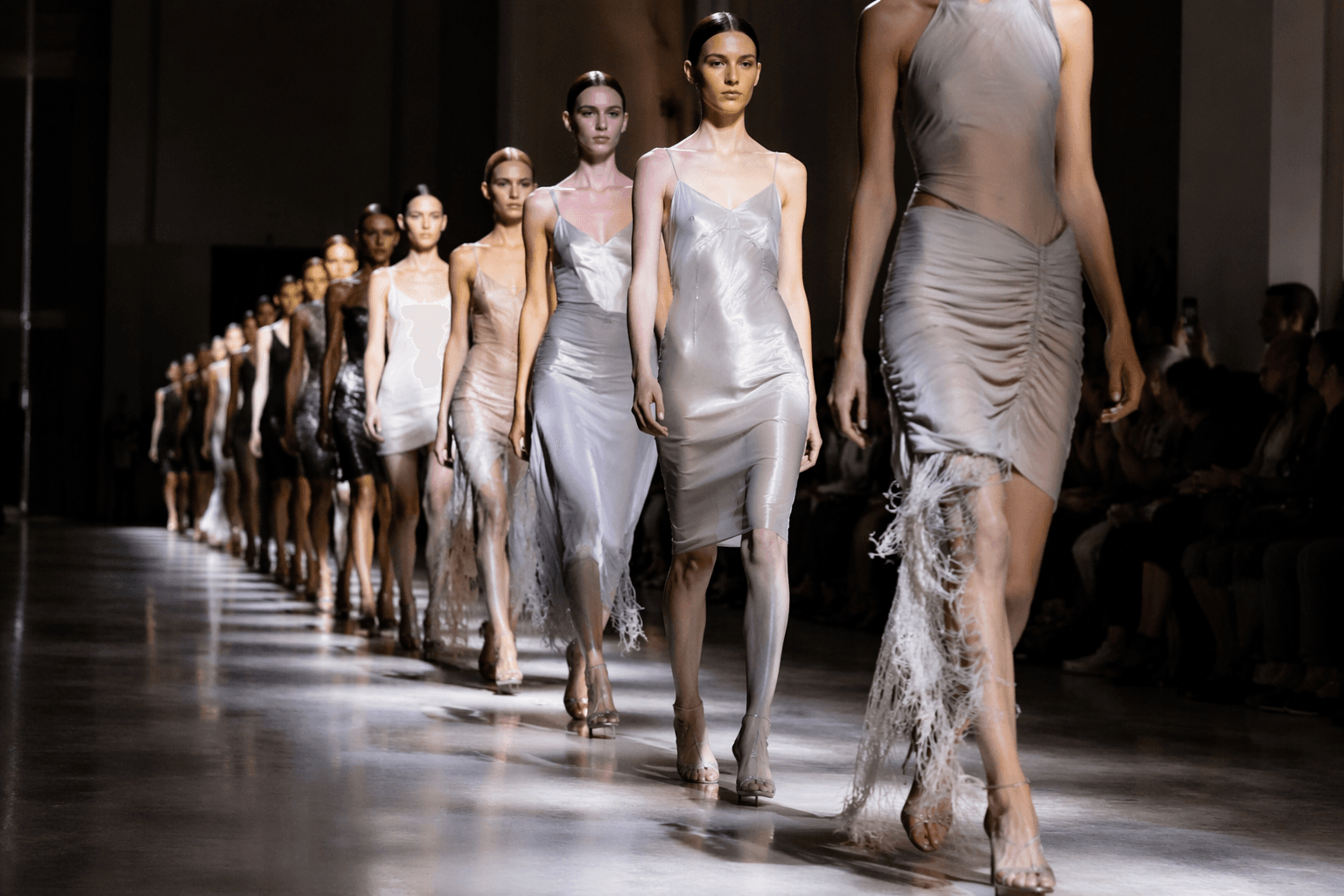
A new study in the Proceedings of the National Academy of Sciences found that fashion’s visual range has widened without changing its center of gravity: across 793,199 images from 2000 to 2024, the median model physique stayed stable, and the industry still leaned hard on ultra-thin bodies in its most prestigious frames.
The dataset stretched across runway shows, advertisements, magazine covers and editorial fashion coverage, giving the researchers a 25-year view of who gets shown, and where. Even with more visible plus-size models and more women of color, the typical model body still diverged from the U.S. population, a gap that has survived years of public-facing diversity messaging and casting pledges.
That disconnect was clearest at the top of the hierarchy. The paper found thinness overrepresented in the industry’s most elite tier, where the faces, bodies and silhouettes that shape taste are often the ones that define the whole season. It also found that non-White models were 4.5 times more likely to be plus-size, a pattern that suggests fashion often concentrates multiple markers of diversity on the same people rather than broadening inclusion across body type, race and visibility at once.
Sagar Kumar, a Northeastern researcher involved in the study, said the industry does appear to show more plus-size models and more women of color than it did in the past, but the average body size is not really changing. The study also compared two regulatory approaches and concluded that numeric thresholds may do more than flexible guidelines to reduce underweight appearances, a finding with obvious implications for brands, agencies and magazines that still police image through loose promises rather than measurable standards.
The paper’s warning lands because fashion imagery does not stay on the runway. Repeated exposure to idealized bodies can shape self-perception through social comparison and objectification, worsen body-image concerns and raise the risk of psychological distress and disordered eating symptoms. Saucye West, a plus-size model, fashion influencer and activist, recalled that walking a Bay Area runway in the 2010s made her feel empowered and drew attention comparable to other models, even though her body looked very different from theirs. Fashion has made room for more names and more faces; this study says it still has not made enough room for more body sizes in the images that matter most.
This article was produced by Prism’s automated news system from verified source data, official records, and press releases, then run through automated quality and moderation checks before publishing. The system is built and supervised by the people who set the standards it runs under. Read our full AI policy.
Did this article answer your question?


