Summer 2026 basics, white tees, linen trousers and breezy staples lead the way
The summer 2026 reset is all about six understated pieces that cool you down, sharpen everything you own and make overbuying feel obsolete.
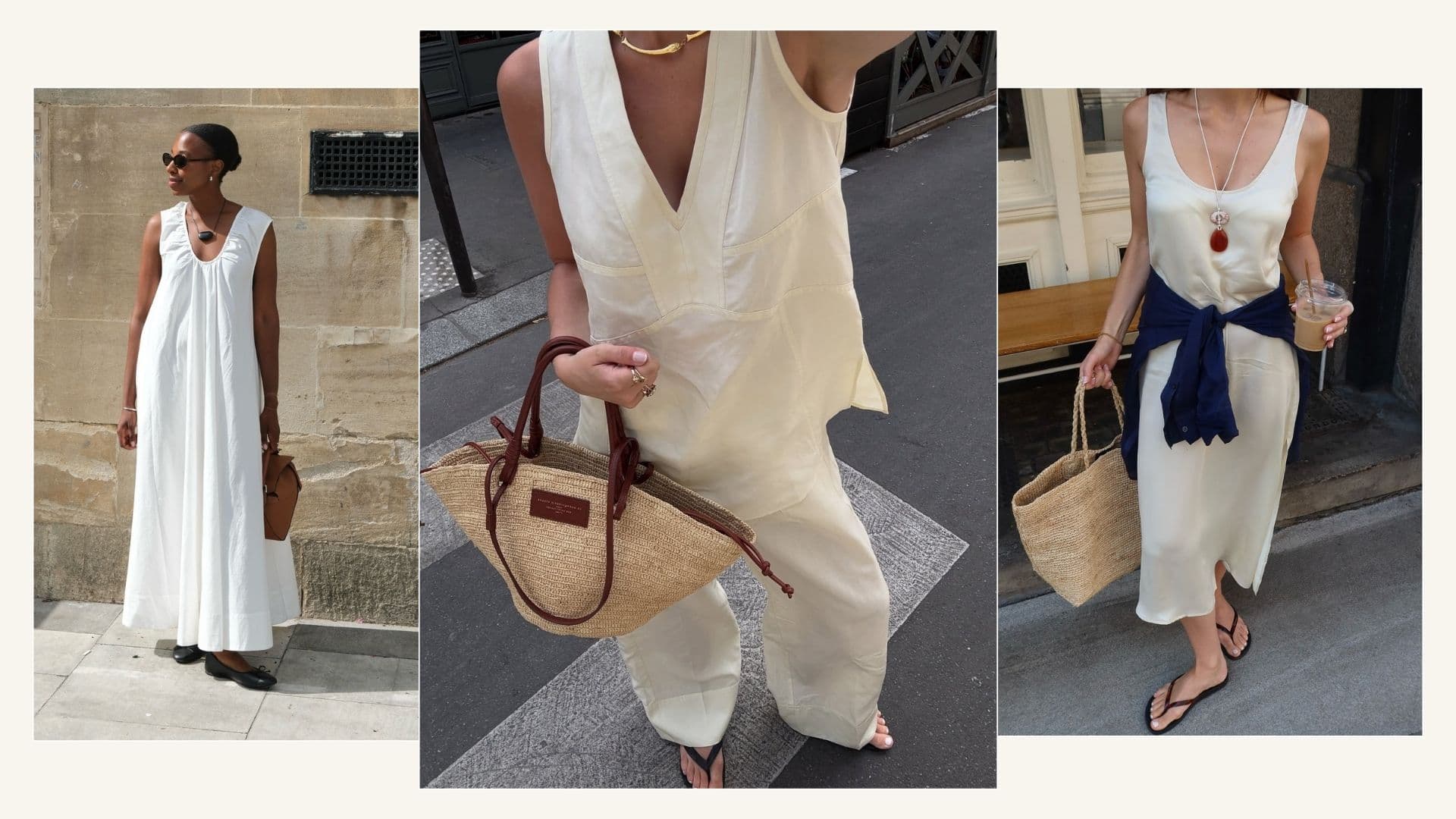
A reset, not a replay
Summer 2026 is arriving as an anti-trend uniform, and that is precisely what makes it feel fresh. Across the fashion conversation, the mood has shifted away from constant novelty and toward a sharper, more wearable idea of polish: clothes that breathe, layer easily and solve the everyday question of what to wear when the heat is on and your patience is low.
That change has runway backing. Launchmetrics says the Spring/Summer 2026 collections across New York, London, Milan and Paris set the tone for what comes next, while shopping coverage from Who What Wear, Editorialist and Marie Claire points to the same conclusion from different angles: the chicest summer pieces are the ones that work hardest and look simplest. Think "effortless energy," "breezy" staples and a "low-effort statement" wardrobe that feels pulled together without feeling overbuilt.
The result is not minimalism in the stiff, old-fashioned sense. It is a polished, heat-proof edit built around six understated basics that update what you already own instead of demanding a complete closet overhaul.
The six basics doing the heavy lifting
The white tee is the anchor, and for good reason. In summer, nothing cleans up a look faster than a crisp white cotton T-shirt with the right drape, whether it is cut close to the body or boxier and more borrowed-from-the-men’s-department. It sharpens linen trousers, softens black tailoring and gives even the prettiest skirt a little nonchalance. The appeal is not novelty, it is the discipline of one thing doing everything.
Linen trousers are the other half of that equation. They bring movement, airflow and a relaxed line that feels more considered than shorts but less precious than formal tailoring. In a season defined by wearable wardrobe building, they are the piece that can move from beach bag territory to office air-conditioning to a late dinner, especially when the fabric falls with enough weight to avoid looking flimsy.
White cotton dresses sit in the same lane, but with a different mood. Where linen trousers create structure, the cotton dress offers ease, especially in silhouettes that skim rather than cling. They read clean, bright and ready for real life, and they are the kind of piece that can be dressed up with a leather flip-flop and a woven bag or kept spare with barely there jewelry. The point is versatility, not fuss.
Leather flip-flops are one of the most telling signals in the season’s shift. Once the most casual item in the room, they now work as a deliberate counterpoint to tailored separates and airy dresses. In leather, they stop feeling purely beachbound and start reading as elevated, which is exactly why they have become one of the smartest summer buys. They bring a grounded, almost editorial ease to outfits that might otherwise feel too prim for the season.
Woven bags continue that same logic. Their texture adds depth to a simple uniform, giving a white tee and linen trouser combination enough visual interest that you do not need a loud print or a trend-driven accessory. They also make practical sense in heat, because they look right with sun-faded neutrals, soft cotton and the kind of natural textures that define summer dressing at its best.
Linen shirts complete the capsule by adding lightness with a little more polish than a T-shirt. Worn open over a tank, tucked into trousers or thrown over a swimsuit, they are the piece that makes the whole system feel intentional. The best versions have that slightly crisp, slightly rumpled hand that makes linen so appealing: elegant without trying too hard.
The bigger basics reset
Who What Wear’s summer 2026 coverage makes clear that the story goes beyond the six hero pieces. Boatneck tank tops, colorful tops, black slip dresses, capris, cropped flares and knee-length skirts all sit inside the same broader basics reset, one that treats familiar shapes as the foundation for a more modern wardrobe. The message is not that every piece must be plain; it is that every piece should earn its place by working across settings.
That is where the season’s tension gets interesting. A black slip dress still has evening energy, but in 2026 it also behaves like a day dress when paired with a flat sandal or a shirt tossed over the top. Capris and cropped flares, meanwhile, signal a return to shapes that feel directional without being dramatic, especially when paired with a tank or a crisp button-down. Knee-length skirts bring the same usefulness, offering coverage and proportion in a way that feels practical for commuting, office days and travel alike.
Boatneck tanks are especially useful because they soften the line of the shoulder and give the body a more sculpted frame than a standard ribbed tank. Colorful tops keep the palette from becoming too austere, but the emphasis is still on low-commitment dressing: pieces that refresh the wardrobe without turning it into a costume. That is the quiet genius of the season. It is not asking for a brand-new style identity, only a clearer edit.
Why linen is the season’s quiet hero
The reason these clothes feel so persuasive is that they answer the climate as much as the trend cycle. Marie Claire describes summer 2026 as leaning into "low-effort statement" dressing, with "built-in ventilation" and "breezy" pieces that work from the beach to aperitivo hour. That is not marketing fluff; it is how real wardrobes function when the temperature rises and formality gets expensive in effort.
Linen, in particular, carries historical and practical weight. The Council of Fashion Designers of America says flax is the oldest fiber known to have been used by humans, with cloth use dating back to at least 8,000 BCE. It also notes that more than 70% of linen is used in clothing, that flax cultivation is the least water- and energy-intensive part of a linen garment’s lifecycle, and that linen is stronger, stiffer and faster drying than cotton. Those are not small distinctions. They explain why linen keeps returning whenever fashion wants to look relaxed but not sloppy.
That blend of history, performance and ease is exactly why linen sets have become such a visible signal for the season. Editorialist describes summer 2026 as a much-needed shake-up to wardrobes, one that strips everything down to the necessities: linen sets, swimsuits and warm-weather staples. The phrase lands because it reflects how the best summer clothes actually behave. They do not demand endless styling. They simply make hot-weather dressing look composed.
How the uniform works in real life
The smartest thing about this summer basics story is how little it asks you to buy, and how much it changes the clothes you already own. A white tee turns formal trousers into off-duty dressing. Linen trousers make old sandals look intentional. A cotton dress becomes more current with a woven bag and leather flip-flops. A linen shirt can make shorts, skirts and slip dresses feel newly considered.
That is why the summer 2026 wardrobe reads less like a shopping list and more like a reset in attitude. The goal is not to collect another round of statement pieces that expire by September. It is to build a wardrobe that looks current because it understands proportion, texture and climate, then repeats those ideas with confidence. In a season full of heat, movement and travel, the most modern clothes are the ones that let you look finished without looking overdone.
This article was produced by Prism’s automated news system from verified source data, official records, and press releases, then run through automated quality and moderation checks before publishing. The system is built and supervised by the people who set the standards it runs under. Read our full AI policy.
Did this article answer your question?


