Summer 2026 hair turns to the partless ponytail
The slicked-back ponytail gets a cleaner edit this summer. The partless version looks polished, camera-ready, and easy enough to wear every day.
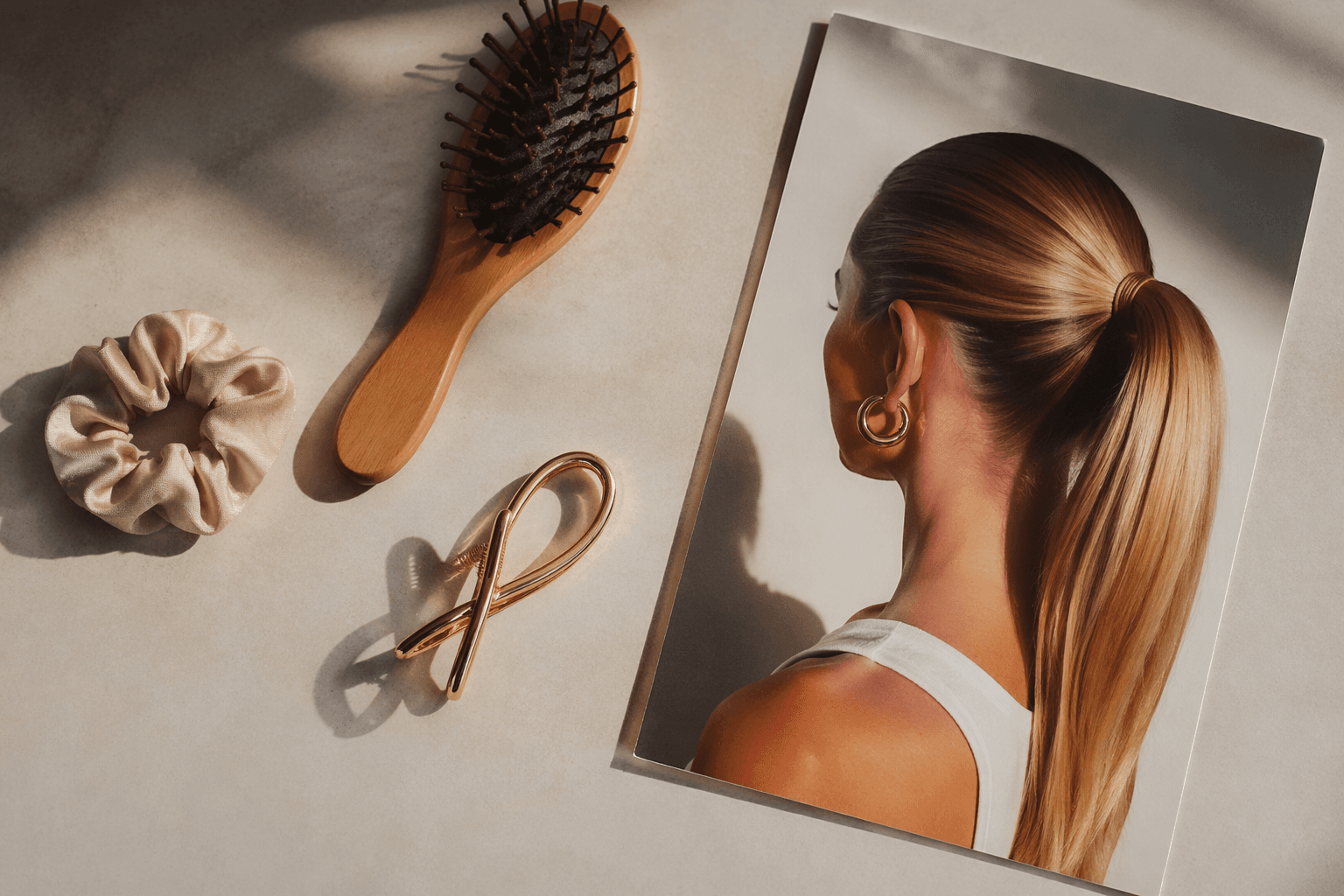
The slicked-back ponytail has shed one of its most visible rules, and the result is cleaner, cooler, and more current. Summer 2026 hair is leaning into the partless ponytail, a version that skips the defined part line and reads as intentional without looking overworked. It is the kind of reset that makes sense now: simple enough for heat, sharp enough for a screen, and familiar enough to feel instantly wearable.
Why the partless ponytail is winning now
What makes this look land is not novelty for novelty’s sake. It is the fact that the hair sits neatly away from the face, with no visible center line or side part breaking the surface, so the style feels smooth and streamlined from every angle. Online beauty coverage has been calling it the “partless slick back,” and the name fits: it is essentially a slicked-back ponytail or pulled-back style worn without a defined part.
That small change matters because it softens the severity of the classic slick-back. The effect is still controlled, but less rigid. It looks like you meant to do your hair, not like you spent half the afternoon negotiating flyaways.
The social media backstory gives it staying power
Partless hair is not emerging in a vacuum. TikTok has been turning hair parts into cultural signals for years, and the 2021 middle-part conversation made the point loudly, casting side parts as uncool and proving how quickly a basic styling choice can become a style statement. The current ponytail shift taps into that same instinct: hair is not just hair, it is a visible signal of taste, timing, and self-awareness.
That is part of why this version feels so natural on social feeds. It reads as current because it sits inside a familiar debate about parts, polish, and what looks “right” now. It also gives the slick-back a softer, more flexible identity, which helps explain why it is spreading beyond trend-chasing posts and into daily routines.
A ponytail with cultural memory
The reason this revival feels legible instead of random is Ariana Grande. Her long association with the sleek high ponytail has made the shape one of pop culture’s most recognizable hair signatures, so any new take on a high, polished ponytail already comes with built-in recognition. When Grande’s ponytail drew attention at the 2026 Golden Globes, it reminded readers that the silhouette still carries star power.
That matters for the partless version because it keeps the trend from feeling like a one-off internet quirk. The line of influence is easy to follow: a high ponytail has already been coded as glamorous, strong, and a little dramatic. Remove the part, and the look becomes even more distilled.
How stylists are wearing it
The most useful version of the trend is also the most straightforward. A professional hairstylist on TikTok described the partless slick back as basically just a ponytail: slick the hair back without creating a defined part, then secure it at the crown or nape. That simplicity is the point. You are not building a sculptural style; you are refining an everyday one.
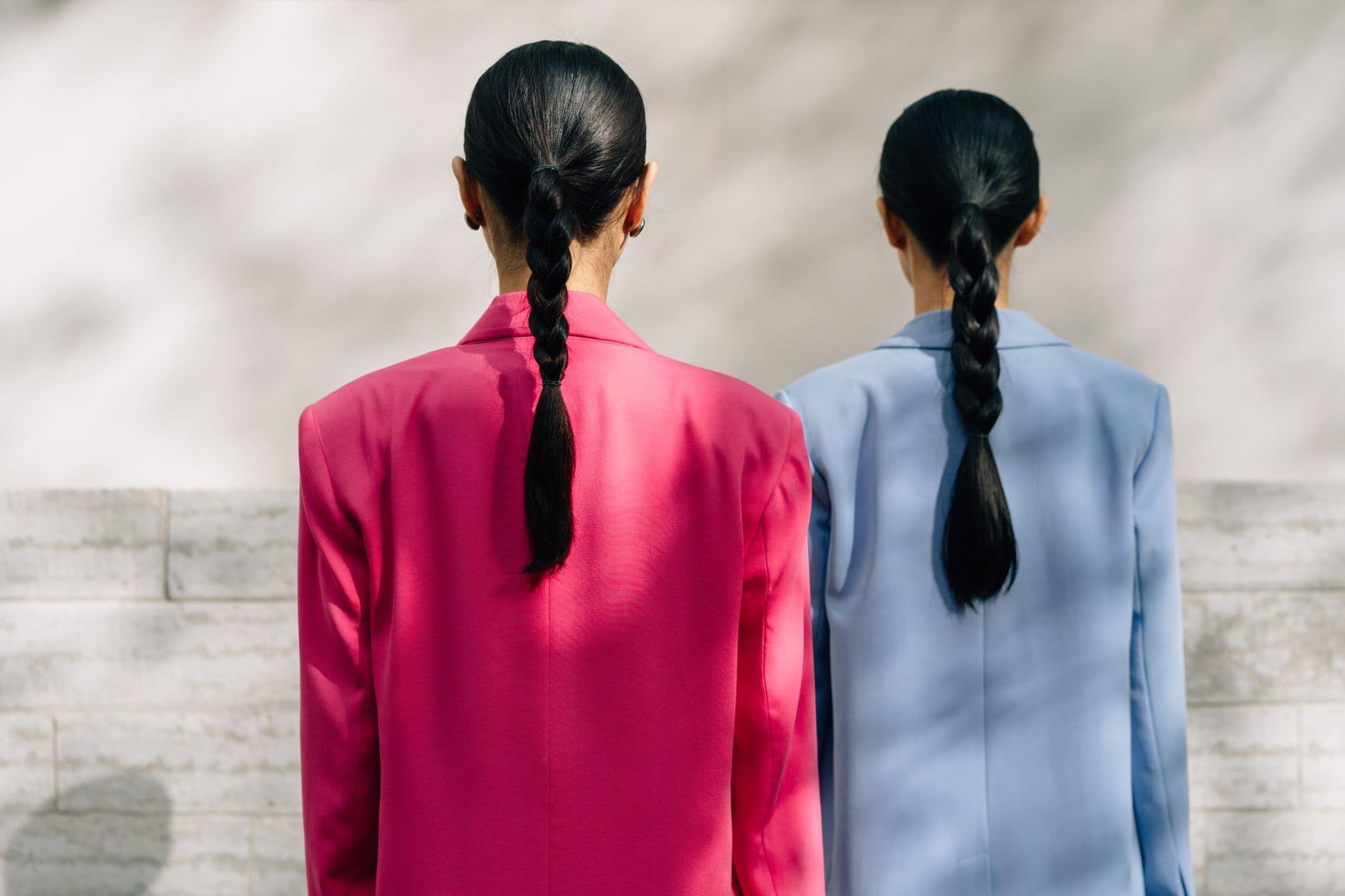
The finish should be smooth, polished, and wearable rather than loaded with decoration. The 2026 ponytail mood, as trend roundups keep showing, favors precision and minimal effort over ornament. Think sleek lengths, a neat hairline, and a surface that catches light without looking stiff.
- Keep the part invisible so the crown reads continuous.
- Place the ponytail high for a sharper, more lifted effect, or low at the nape for a softer, cleaner finish.
- Let the texture do the work. The best versions look glossy and disciplined, not shellacked.
- Skip heavy accessories if the goal is modernity. The shape itself is the statement.
Why it is replacing the slicked-back ponytail
The partless version is taking over because it fixes what can feel overly polished about the classic slick-back. A defined part can make the style feel severe, especially when the rest of the look is already sharp. Without that line, the ponytail feels more fluid and less prescribed, which is exactly where beauty is headed now.
Trend coverage for 2026 keeps pointing in the same direction: ponytails are moving toward refined, intentional styling rather than casual elastic-and-go hair. Runway Magazine and Runway Live have framed Gen Z slick back ponytails as the sleek polished style replacing mermaid waves as one of spring and summer 2026’s defining hair moments. The message is clear: people want hair that looks finished, not fussy.
Where the look is showing up
The trend has the benefit of appearing both on the street and in the cultural spotlight. The Zoe Report highlighted braided ponytails as a standout street-style hair moment during New York Fashion Week Spring/Summer 2026, which shows how the ponytail family is being reworked in more than one direction. Even when the look is braided, the underlying appetite is the same: pulled-together hair with a clear point of view.
That broader movement gives the partless ponytail extra credibility. It is not trying to compete with embellished runway hair or overly literal nostalgia. It sits in the polished, practical middle ground, which is often where the strongest everyday trends live.
What to wear it with
The beauty of this ponytail is that it plays well with almost everything. It sharpens a tank top, cleans up a strapless dress, and gives tailoring a crisp edge. It also works on days when the weather demands something off the neck, because the style solves a practical problem while still looking intentional.
If the old slick-back sometimes felt like a special-occasion move, the partless ponytail changes the brief. It is modern enough for a camera, simple enough for heat, and neat enough to become a habit. That is why it is replacing the more familiar slicked-back ponytail now: it keeps the polish and drops the pressure.
This article was produced by Prism’s automated news system from verified source data, official records, and press releases, then run through automated quality and moderation checks before publishing. The system is built and supervised by the people who set the standards it runs under. Read our full AI policy.
Did this article answer your question?


