Summer 2026 trends embrace tactile luxury, fringe and supermarket totes
Summer 2026 is splitting into what sticks and what scrolls: tactile luxury with real buy-in, fringe with movement, and supermarket totes as the season’s smartest joke.
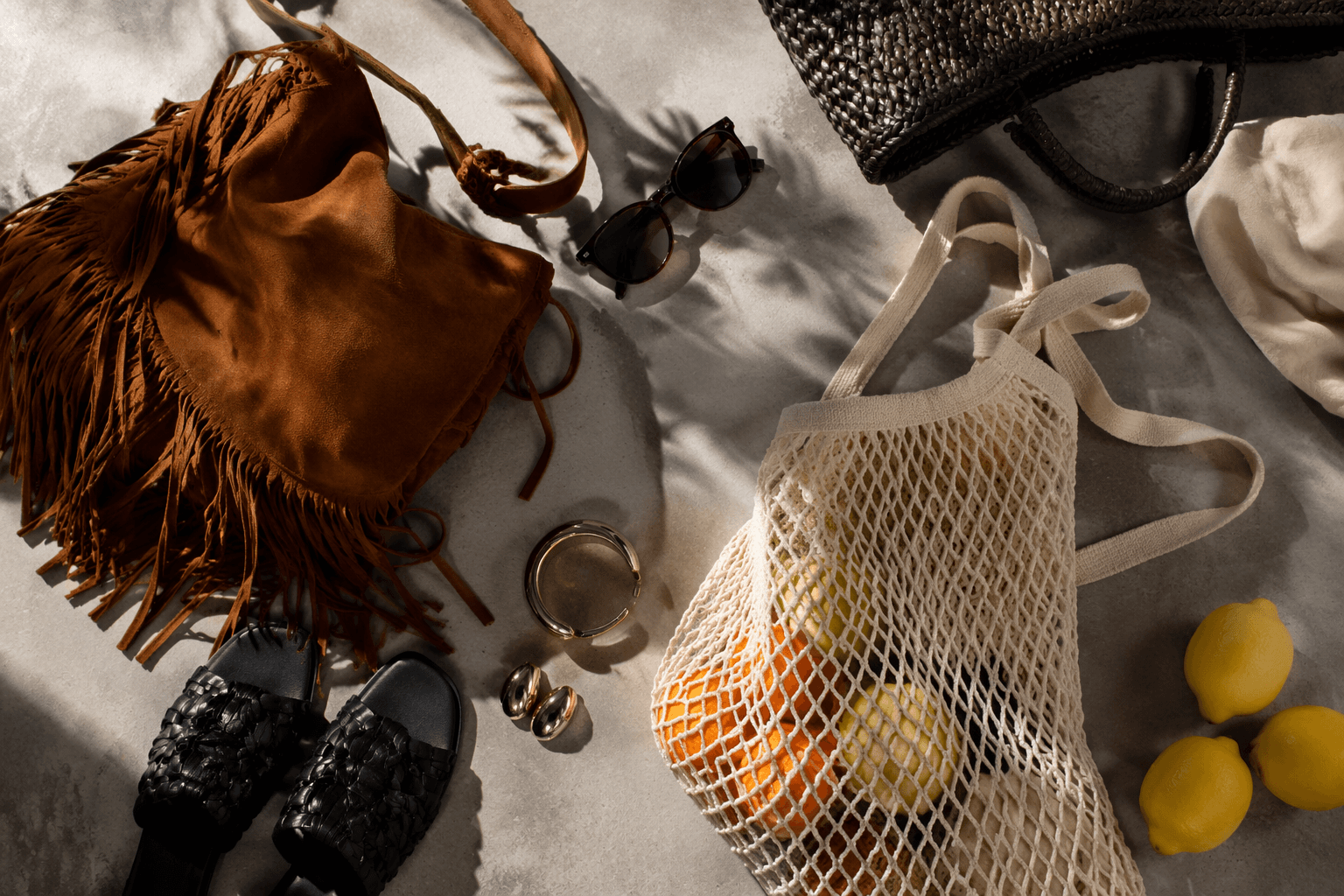
A black coat or a bare shoulder can wait. The clearest signal for summer 2026 is touch, from plush surfaces and swung fringe to the kind of accessories that look one step removed from ordinary life. Stylist’s forecast throws out 33 ideas, but the useful ones share the same instinct: make fashion feel visible, physical and worth keeping.
Tactile luxury is the part that will actually sell
The strongest through line in the season’s forecasting is not a single silhouette, but a mood of substance. Heuritech says fashion is becoming “fun again,” but not in the disposable way that dominated so much trend chatter before. Its 2026 calendar pushes statement pieces that live in your wardrobe, while FashionNetwork framed the year around sustainability, textures, volumes and statement pieces, a combination that reads less like novelty and more like a buying directive.
That is why tactile luxury feels like the commercial winner in this story. Trendalytics’ Kendall Becker said social movements, pop culture, social media and the impulse to unplug are shaping the macro picture for 2026, and that tracks with what buyers are already rewarding: clothes that feel considered, not flimsy. WWD reported that Paris Fashion Week Spring/Summer 2026 was remembered by buyers as a “game-changer” and a reset, with craftsmanship and depth mattering as much as visual impact. In other words, the market is not chasing quietness for its own sake, it is looking for pieces with texture, weight and a point of view.
Heuritech’s women’s fashion-weeks report, which spans Paris, Milan, London and New York, gives this shift a more playful language with themes such as The New Raw, Porcelain Punk, Circus Core and Obsidian Romance. Those labels may sound like trend forecaster poetry, but the message underneath is practical: people want clothes that feel expressive without becoming costume. The most convincing version of tactile luxury is a coat with a rich surface, a knit with dimension or a bag with enough finish to read as intentional the second it enters a room.
What is less convincing is the trend-content inflation that always gathers around a good mood. Stylist’s inclusion of “toothpaste dressing” fits that category neatly, a phrase built for clicks and sharing, but not necessarily for repeat wear. The real wardrobe play is not the nickname itself; it is the broader appetite for texture and polish that can survive past the first upload.
Fringe has moved from decoration to retail proof
If tactile luxury is the season’s foundation, fringe is its most convincing embellishment. Who What Wear named fringe one of its 16 key Spring/Summer 2026 trends, and WWD called it spring 2026’s showstopper, all motion and drama, after seeing it at Balmain, Bottega Veneta, Rick Owens and other shows. That spread matters. When the same finish appears in such different houses, it stops reading like a runway joke and starts looking like a real commercial language.
Fringe works because it does two things at once: it gives clothes movement, and it makes that movement visible. A hem that sways, a shoulder that flickers, a bag that swings with each step, these are simple gestures, but they photograph beautifully and they feel alive in person. That physicality is exactly why fringe keeps returning in periods when fashion wants to move away from restraint and toward joy.
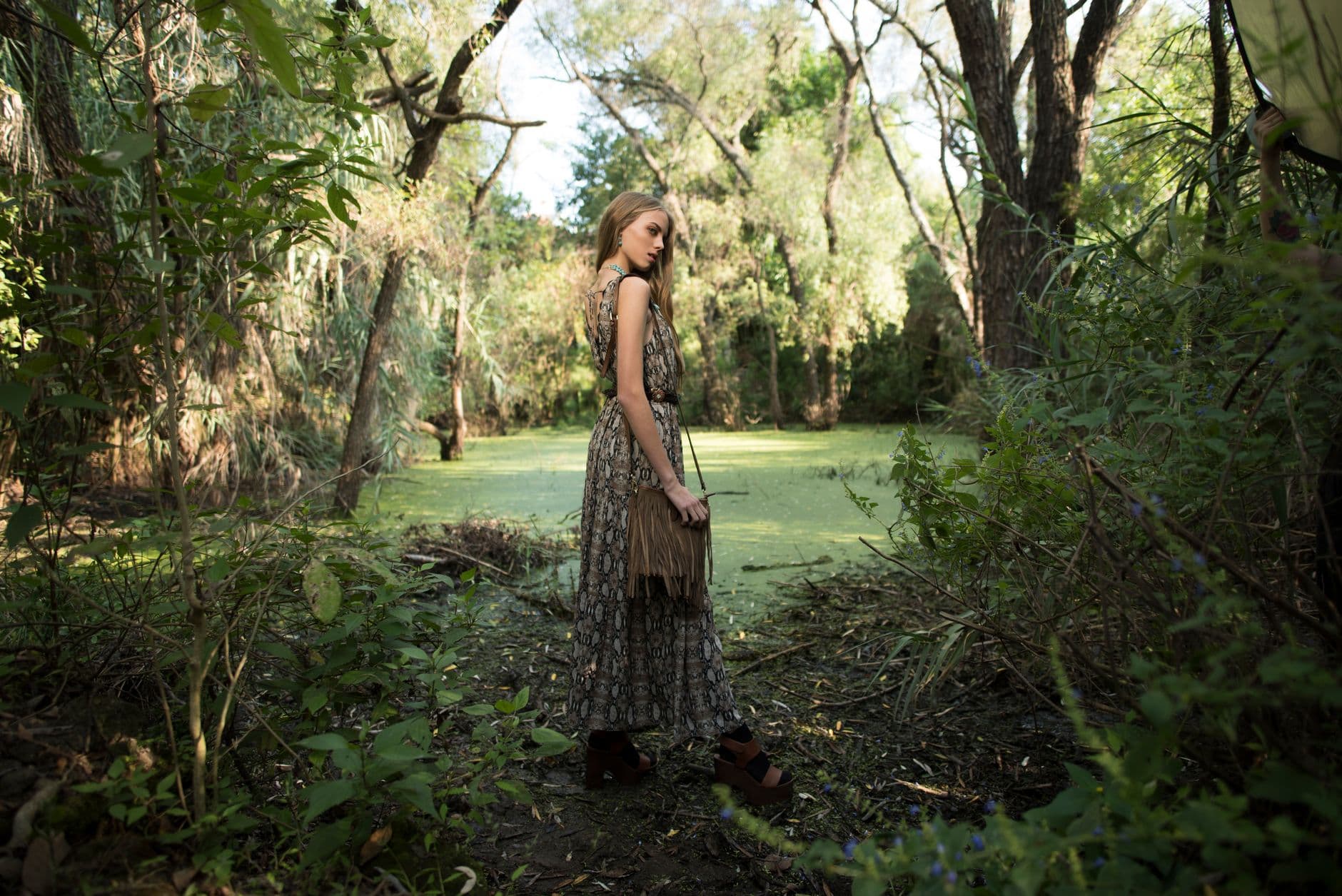
Still, fringe is not new, and that is part of its appeal. It is a luxury rebrand of an older idea, which is why it has more retail legs than some of the hyper-specific micro-movements floating through seasonal forecasting. The best versions will not be full-on rodeo, flapper or costume. They will be cut with discipline, placed where the movement reads cleanly and balanced against enough structure to keep the look modern.
That is the line between an editor’s fantasy and something shoppers might actually wear. A fringe jacket with a sharp shoulder and a clean trouser can move from spring runway energy into real life. A fringe dress that never settles into itself, or a look built entirely around novelty, is more likely to become social-media scenery than a lasting purchase. The season’s buyers, already looking for craftsmanship and depth, are unlikely to reward excess for its own sake.
Supermarket totes are the season’s funniest, and most fragile, idea
Then there are the supermarket totes, the most obviously shareable idea in Stylist’s summer 2026 forecast. On paper, the concept is irresistible: a bag that borrows the shape or attitude of something you would normally carry groceries in, then reframes it as a fashion object. It is witty, immediately legible and easy to understand on a scroll, which is exactly why it has the flavor of a social-media-first trend.
But not every visually clever idea becomes a wardrobe staple. Supermarket totes sit right on the edge of trend-content inflation, where an accessory earns attention because the concept is cute, not because the object itself solves a real style problem. If the bag leans too hard into irony, it becomes a meme. If it is too literal, it loses the polish that makes it feel fashion-adjacent rather than merely practical.
The reason this idea matters is that it exposes how far the market can stretch utility before it snaps back into novelty. The season’s broader forecast is full of proof that consumers want substance, from Heuritech and Luxurynsight’s emphasis on sustainability, textures, volumes and statement pieces to the buyer appetite for pieces with depth and purpose. A supermarket tote can tap into that only if it feels elevated enough to justify its joke. Otherwise, it remains a clever one-liner in a season that already has enough of those.
So the real summer 2026 edit is simple. Buy the tactile pieces that can earn repeat wear, watch fringe when it is cut with control, and be wary of accessories that are funny before they are useful. The trends with staying power are the ones that feel good in the hand, not just good in a headline.
This article was produced by Prism’s automated news system from verified source data, official records, and press releases, then run through automated quality and moderation checks before publishing. The system is built and supervised by the people who set the standards it runs under. Read our full AI policy.
Did this article answer your question?


