Summer leans into tunics, tassel bags and tactile opulence
Easy opulence is summer’s most wearable shift: floor-grazing tunics, tassel bags and tactile finishes refresh a wardrobe without turning it into occasionwear.
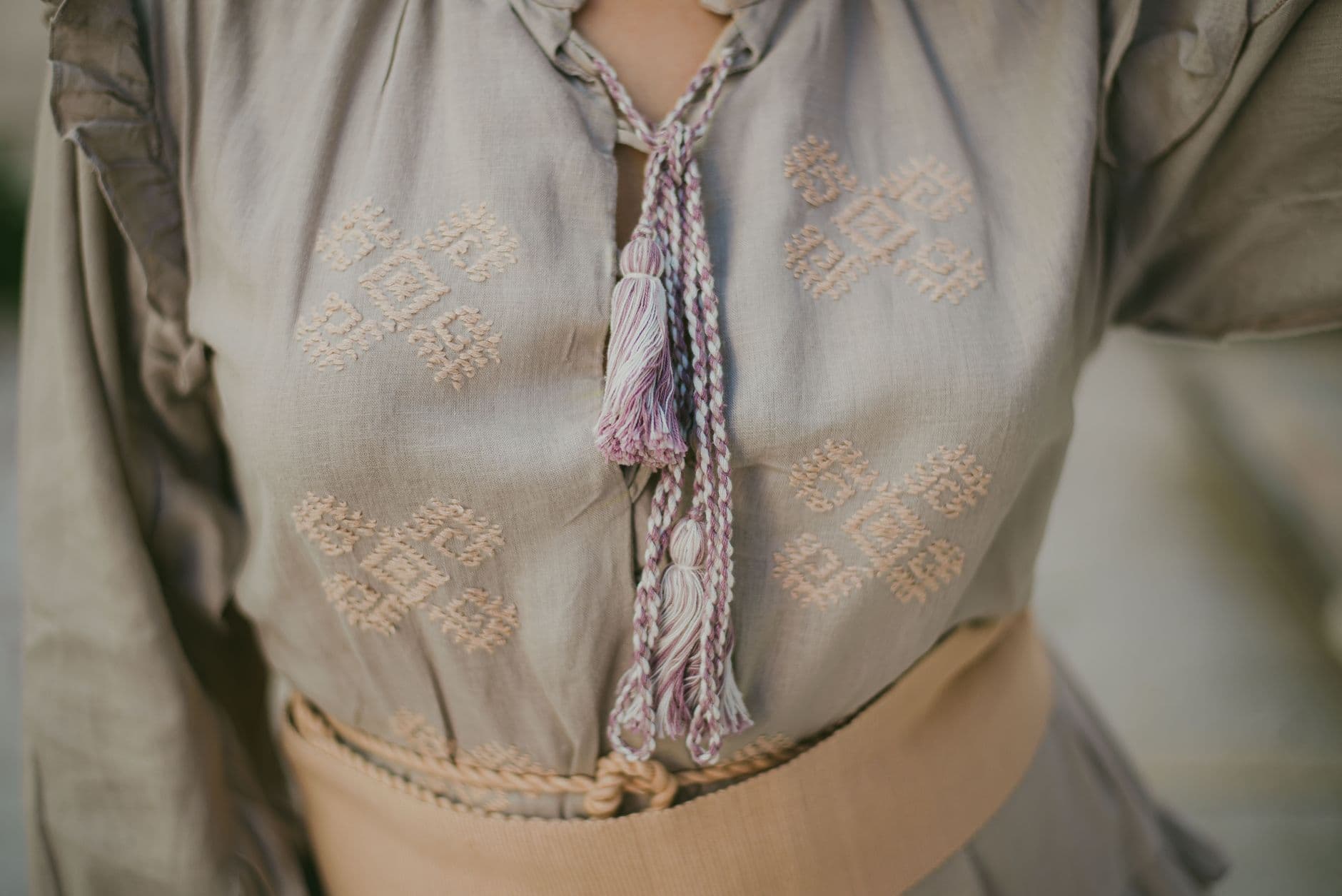
Summer’s prettiest pivot is not a hard reset, but a softer kind of indulgence. Editorialist’s June 5 trend note names the mood “easy opulence,” led by floor-grazing tunics and tassel flapper bags, the kind of pieces that make a simple warm-weather uniform feel considered without tipping into occasionwear. The appeal lies in movement and surface: clothes that skim, sway and catch the light, while still working in daylight.
The case for easy opulence
Editorialist’s monthly “From the Desk of a Trends Editor” column is built to catch silhouettes and textures before they fully land in shopping baskets, and this is where the June update feels especially useful. Harry Archer, the site’s trends expert, frames the moment as a “tunic summer,” then widens the lens to wood-effect jewelry and beaded resin cuffs, details that add polish without demanding a full wardrobe overhaul. That is the real strength of the story: it is not asking you to dress up more, only to choose pieces with a little more surface interest.
The shift matters because it answers a familiar warm-weather problem. When dressing gets lighter, it can also get flatter, and the easiest way to avoid that is through texture, length and a touch of drama. A tunic that falls close to the ankle, a bag with tassels that move as you walk, or jewelry that looks carved rather than merely shiny can change the tone of an outfit immediately.
Why the tunic is the season’s anchor
The floor-grazing tunic is the clearest expression of this new softness because it carries two moods at once. It feels breezy enough for heat, but long and fluid enough to read as deliberate, almost ceremonial, which is exactly what gives easy opulence its appeal. Instead of turning into a beach cover-up or a formal dress, it sits in the useful middle ground where modern summer wardrobes do their best work.
That balance is what makes the silhouette so practical. Worn with lean trousers, bare sandals or a clean slip underneath, a tunic can stretch from city days to dinners without feeling fussy. The length does the styling for you: it creates line, reduces the need for extra layers, and makes even the simplest outfit feel composed.
The best versions are the ones that look relaxed in motion. They should skim rather than cling, and they work best when the fabric has enough body to hold a shape, whether that means a crisp cotton, a silky drape or a slightly more structured weave. That is where the opulence comes in: not from volume alone, but from how the cloth falls.
Fringe, tassels and the return of visible craft
The bigger runway picture gives this trend real momentum. ELLE Singapore’s March 25 Spring/Summer 2026 trend report described designers as going big on flouncy, fringed and tufted textures in response to the flattening effect of AI and screens, which helps explain why tactile finishes are suddenly everywhere. The season has been moving away from restraint and toward joy, play and visible craft, with hand-finished details doing the emotional work that minimalist clothes no longer provide.
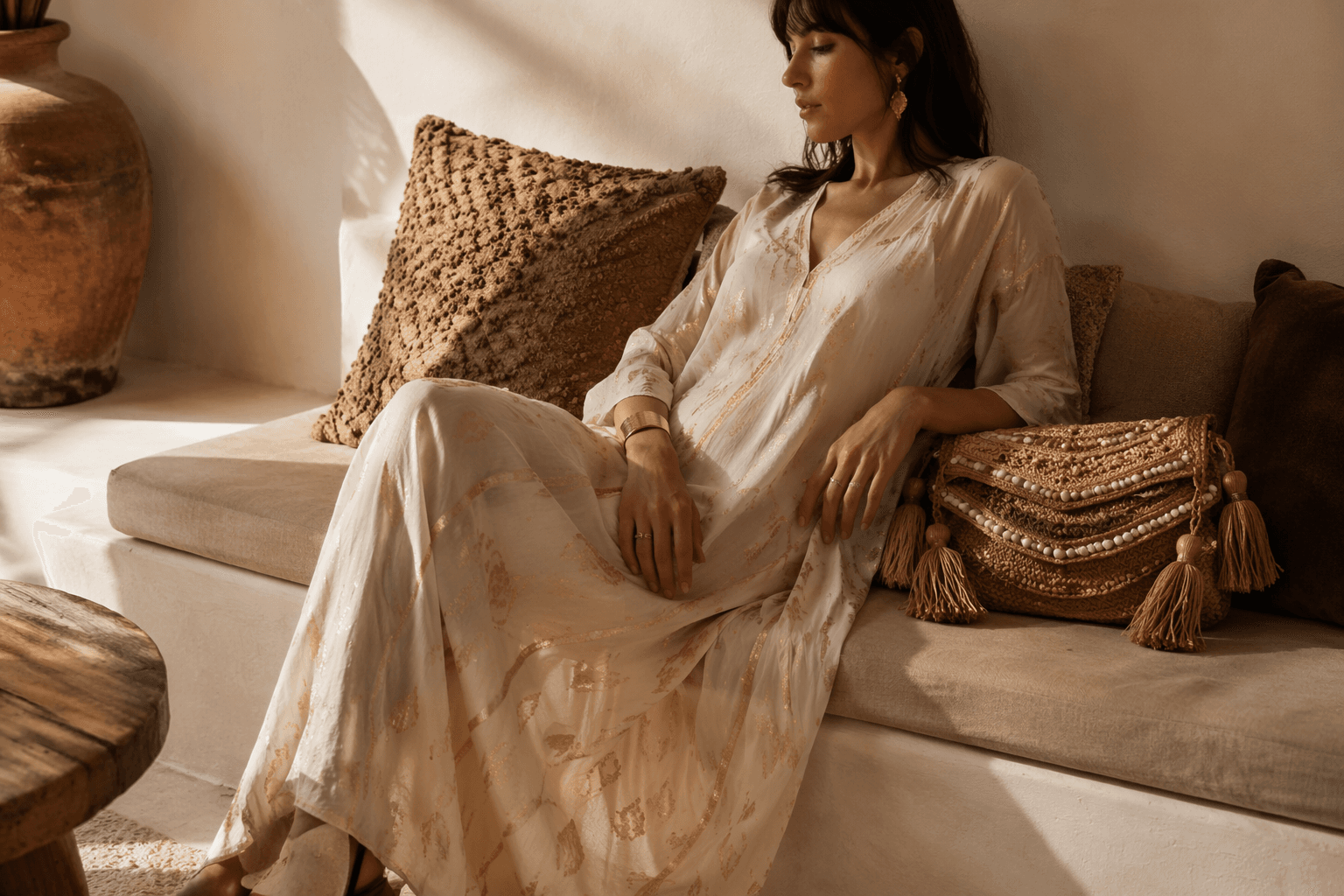
Fringe has been one of the clearest signals. WWD called it spring 2026’s standout embellishment, noting its appearance on runways at Balmain, Bottega Veneta, Rick Owens and others, while Vogue Singapore’s October 11, 2025 bag roundup pointed to reinterpretations of cult classics and plenty of fringe across Chanel, Bottega Veneta, Versace and Balenciaga. Taken together, those reports show a season-wide appetite for motion and texture, not just decoration for decoration’s sake.
The handbag story is especially persuasive because accessories often tell you where a trend will actually live in real wardrobes. The Zoe Report’s June 2026 handbag coverage described spring/summer 2026 bags as leaning into texture, tassels, beading and natural materials, which is exactly why tassel flapper bags feel less like a costume choice and more like a sharp seasonal update. They bring personality to the most basic uniform, whether that is a white dress, a tank and trousers, or a simple knit and skirt.
A Jazz Age reference, made wearable
The tassel-and-fringe look carries a clear historical echo in the 1920s flapper era, and that reference point gives the trend its glamour. But the current version is sleeker and more controlled than a literal revival, which is why it reads as editorial rather than theatrical. The spirit is Jazz Age movement, not period dressing.
That distinction matters. The most compelling fringe now hangs from a bag, trims a hem or flickers across a dress in a way that feels modern and easy to wear. It adds rhythm to an outfit without making the whole look depend on nostalgia.
How to invest in the pieces that change everything
If the goal is to make warm-weather dressing feel richer, the smartest buy is not the loudest one. It is the piece that changes the tone of everything around it. A floor-grazing tunic can sharpen the simplest sandal-and-trouser formula; a tassel bag can make even denim feel deliberate; wood-effect jewelry and beaded resin cuffs can turn a plain tank or shirt into something finished.
- Choose one tactile piece per outfit, then let it lead.
- Pair a tunic with pared-back sandals and minimal jewelry so the shape stays clean.
- Use a tassel or fringe bag with otherwise simple separates to keep the look grounded.
- Let wood-effect jewelry and beaded resin cuffs do the work of a statement necklace without adding heaviness.
That is why easy opulence feels like more than a passing mood. It is a practical summer reset built around pieces with enough texture, movement and polish to alter the feel of an entire wardrobe, and enough ease to keep them in rotation long after the first heatwave has passed.
This article was produced by Prism’s automated news system from verified source data, official records, and press releases, then run through automated quality and moderation checks before publishing. The system is built and supervised by the people who set the standards it runs under. Read our full AI policy.
Did this article answer your question?


