Tailoring Takes Center Stage as Fall 2026 Turns Practical
Tailoring is fall 2026’s sharpest reset: stronger shoulders, cleaner waists, and suits built for real life, not just the runway.

The suit is back, but not as nostalgia
Tailoring is the clearest signal that fall 2026 wants clothes with purpose. The season’s sharpest jackets and structured separates feel less like a revival of old power dressing and more like a correction after softer quiet-luxury dressing, with shape, line and intention back in charge.
That shift matters because it changes what you should actually buy. The new suit is not about being precious or overly styled; it is about pieces that work hard in a wardrobe, from the first crisp jacket you pull on to the trousers that make everything else look pulled together.
What changed in the silhouette
WWD’s fall 2026 tailoring edit made one thing obvious: the most compelling suiting is sharper, more wearable and easier to live with. In Milan, the season anchored itself in strong shoulders, sculpted coats and defined waists, which gave jackets real architecture without making them feel costume-like.
That is the key difference from the softer tailoring that has dominated recent seasons. The line is cleaner, the waist is more deliberate and the overall effect is less draped and diffuse. Instead of jackets that melt into the body, fall 2026 favors pieces that hold their shape and make the body look instantly more composed.
The trouser story follows the same logic. Even when the details vary by house, the proportion has a more exacting feel, meant to support the jacket rather than compete with it. This is tailoring that restores order to an outfit in one move, which is exactly why it reads as practical rather than theatrical.

Why this feels different now
The broader mood across the season was noticeably polished and commercially grounded. In New York, retailers called out “beautiful tailoring” and “thoughtful outerwear” as standouts, and Fashionista described the collections as “exceptionally wearable and practical.” That combination tells you the direction is not just aesthetic, it is retail-ready.
Buyers reinforced the point. When they sorted through fall 2026 collections, wearability, timelessness and restraint were the qualities they kept returning to, and one buyer singled out “sharp tailoring” as a season buy. In other words, the market is rewarding clothes that feel credible on a Monday morning, not just impressive under show lights.
That is also why tailoring is emerging as a broader wardrobe foundation rather than a one-off trend. The strongest pieces are not only suits in the strict sense; they are structured separates that can carry the energy of a suit without requiring a full head-to-toe uniform. The appeal is subtle but powerful: a sharper shoulder, a cleaner waist, a coat with enough shape to make the whole look feel finished.
Milan gave tailoring its emotional register
Milan’s collections gave this trend its confidence. WWD described the season there as carrying an empowering message, with masculine structure meeting feminine fluidity, and that tension is what keeps the tailoring from feeling severe. It has formality, but it also has ease.
Giorgio Armani remains the clearest emblem of that thinking, where precision never loses grace. Around him, the season gained fresh momentum from new creative leadership at Fendi, Gucci and Marni, with Maria Grazia Chiuri, Demna and Meryll Rogge each helping reset the conversation around what modern luxury can look like. The result was a season that felt more considered, less decorative and far more resolved.
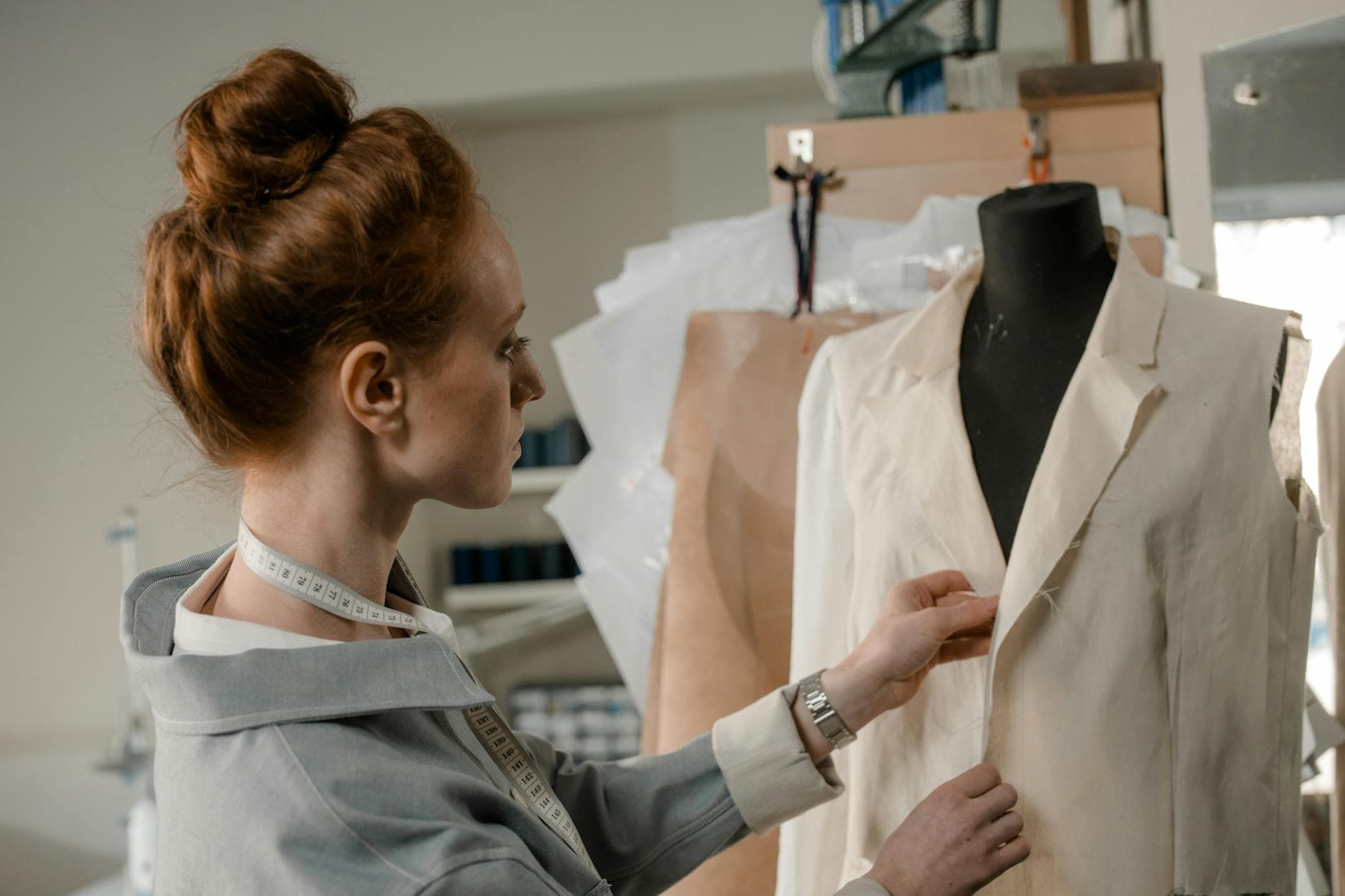
That matters because tailoring is often strongest when fashion has the discipline to edit itself. Fall 2026 does exactly that. It strips away noise and keeps the parts that make a woman or man look instantly more pulled together: a shoulder that stands up, a coat that falls cleanly, a waist that is not hidden but defined.
How to shop the shift
If you are updating your wardrobe around this trend, start with structure, not embellishment. The season’s best tailoring is doing a quiet but decisive job, which means the details matter more than logos or ornament.
- Jackets with stronger shoulders and enough internal shape to stand alone
- Coats that feel sculpted rather than oversized and slouchy
- Defined waists, either built into the cut or created with precise seaming
- Trousers that support a clean line and make the suit feel deliberate, not loose for the sake of it
- Separates that can break apart and still look polished on their own
Look for:
Skip anything that looks too languid or underbuilt. The new tailoring is not trying to disappear on the body, and it should not feel like a cardigan in disguise. If quiet luxury was about softness and retreat, fall 2026 is about clarity, which is why the best pieces feel like wardrobe infrastructure rather than decorative fashion.
That is the real reason tailoring is taking center stage now: it answers the moment with discipline, polish and usefulness. In a season that rewards clothes that can “live in rather than preen in,” the sharpest suit is also the smartest one.
This article was produced by Prism’s automated news system from verified source data, official records, and press releases, then run through automated quality and moderation checks before publishing. The system is built and supervised by the people who set the standards it runs under. Read our full AI policy.
Did this article answer your question?


