The rise and fade of viral microtrends reshape fashion cycles
Microtrend churn is cooling, and that gives established labels, retailers, and exhausted shoppers room to breathe while trend-chasing brands lose oxygen.
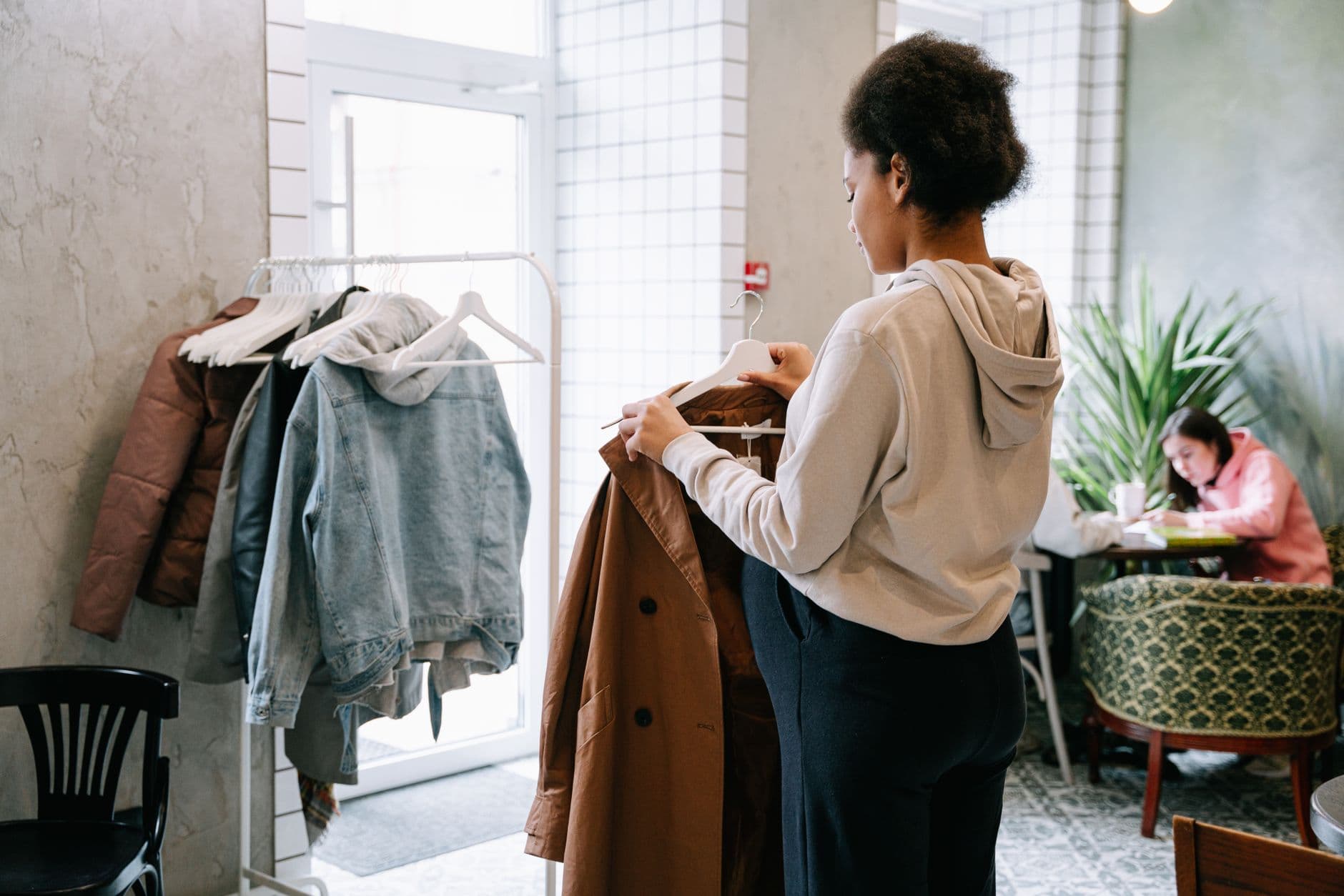
The feed used to mint fashion moods by the hour. Now the churn is slowing, and that matters more on a buying floor than it does in a comments thread: the hyper-specific “core” has stopped feeling like a growth engine and started feeling like noise. What took over in the last few years was never just style, but an algorithmic pace of style, where every look could be named, packaged, and discarded before the hangtags even landed.
The microtrend machine is stalling
BoF has been blunt about the shift: fast-spreading, fast-disappearing microtrends and “cores” drove fashion conversation for young shoppers for years, and now the churn has started to slow. In its podcast episode “The Debrief | Are Viral Microtrends Losing Their Cool?”, the outlet says those flashes once helped shape retail strategies, but Gen Z consumers are now craving something more substantial and lasting. That is the reset in plain English: brands are being asked to merchandise for more than a week of social traction.
The old system was built for speed. Short-form video, creator culture, and rapid sharing turned fashion into a sequence of tiny mood swings, each one easy to label and easy to monetize. BoF’s 2024 live session on how Gen Z buys luxury made the point from the brand side: Gen Z’s online behavior heavily influences marketing strategies, which now lean on their values and expectations for authenticity and community. When the audience is trained to scroll fast, the industry starts dressing for the scroll instead of the calendar.
Who benefits when the pace drops
The slowdown helps the labels with real identity, not just a viral hook. Established brands can build around a silhouette, a fabric language, or a house code instead of sprinting after the next six-week aesthetic. Retailers benefit too, because buying calendars get a little less frantic when they are not built around a dozen competing micro-moods that each need their own floor set, content push, and markdown exit.
Consumers are the other obvious winners, especially the ones tired of closets full of pieces that no longer feel current after one algorithmic turn. BoF’s “How Gen Z’s Personal Style Obsession Is Changing Fashion” gets at the why: the permanence of digital footprints and a lack of real-life community have historically constrained Gen Z’s sense of individuality in dress, but they are now more preoccupied with what counts as singularly good taste. That is a very different shopper from the one chasing every named aesthetic.

The business case is even clearer at the top end. In “Why Luxury Needs to Rethink How It Speaks to Gen Z,” BoF says many high-end brands are struggling to connect with young consumers, who are either bored by dated marketing, turned off by high prices, or both. Time is running out because Gen Z is poised to dominate luxury spending by 2030, and BCG says Gen Z and Gen Alpha are set to drive 40% of fashion spending by 2035. If those numbers define the future customer base, then chasing disposable novelty is a bad use of money.
Clean girl was the warning shot
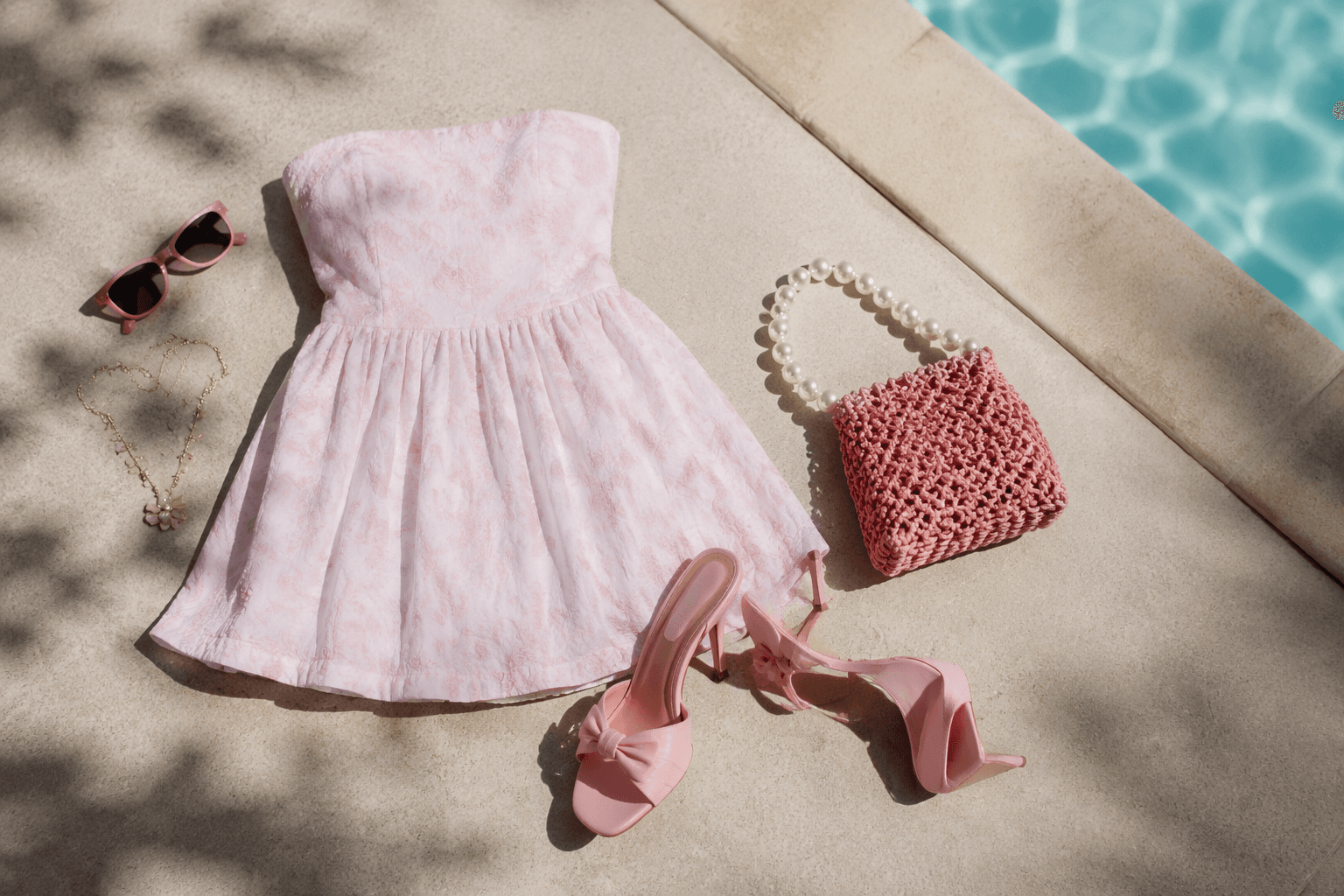
No microtrend better captures the rise-and-fade cycle than clean girl. Seventeen said the look had more than 1 billion views on TikTok alone, and its Wikipedia entry places its emergence toward the end of 2021. What made it explode was also what made it easy to exhaust: it was a highly legible image of polish, simplicity, and control, instantly recognizable and instantly clonable.
The conversation around it widened fast. A 2025 thesis from Erasmus University Rotterdam treats clean girl as a popular visual and lifestyle trend on TikTok that promotes a specific image of femininity, which explains why the aesthetic landed as more than a grooming mood. A 2024 PureWow piece argued the trend is problematic, while JoinBLVD has pushed a different history, saying Black and Brown women were wearing versions of that look decades before TikTok gave it a label. British Vogue’s coverage complicates the obituary even further by suggesting clean girl proved durable rather than fleeting.
That is the microtrend paradox in a nutshell. The named aesthetic can look newly minted on the feed, but it often has a long cultural runway underneath it. Once the industry realizes that, the question stops being “what is the next core?” and becomes “what already has enough shape to survive the next one?”
From cores to longer-cycle style
The shift away from microtrends is already visible in the way the industry talks about style. A 2024 Global Fashion Agenda piece on the era of micro trends used balletcore, tomato girl, and frazzled English woman as examples of how online naming turned whole moods into shorthand. That shorthand was useful because it made shopping feel simple, but it also flattened dressing into a series of mood boards that expired almost as soon as they spread.
What is replacing that churn is less about copying a named look and more about borrowing a vibe that can live in a wardrobe. You can see the industry moving from rigid “cores” toward broader ideas like quiet luxury, personal style, and commercially durable archetypes that do not collapse the minute the internet decides they are over. That is better for brands with actual construction, better for retailers who need longer sell-through, and better for customers who do not want to rebuild their closet every time the algorithm changes its mind.
The next buyers will reward restraint
Fashion is still being shaped online, but the marketing has to work harder now. BoF’s 2025 BoF Insights report, “Gen-Z and Fashion in the Age of Realism,” was co-created with Gen-Zers and fashion and social media experts, which tells you how much energy the industry is spending trying to decode what young consumers actually want. The answer is looking less like a new microtrend every morning and more like taste, continuity, and clothes that hold up after the feed moves on.
That is the reset. The labels that benefit most are the ones that can make something worth wearing after the joke of the week has faded, and the retailers that win are the ones willing to buy for a longer life than a hashtag. The microtrend era did its job by teaching fashion how fast attention can move; the next era will be judged by what still looks good when the rush is gone.
This article was produced by Prism’s automated news system from verified source data, official records, and press releases, then run through automated quality and moderation checks before publishing. The system is built and supervised by the people who set the standards it runs under. Read our full AI policy.
Did this article answer your question?