TJX Goes Fur-Free Globally, Stops Knowingly Sourcing Angora and Mohair
TJX’s fur-free shift reaches 5,085 stores, putting fur, angora and mohair on the wrong side of mainstream off-price fashion.
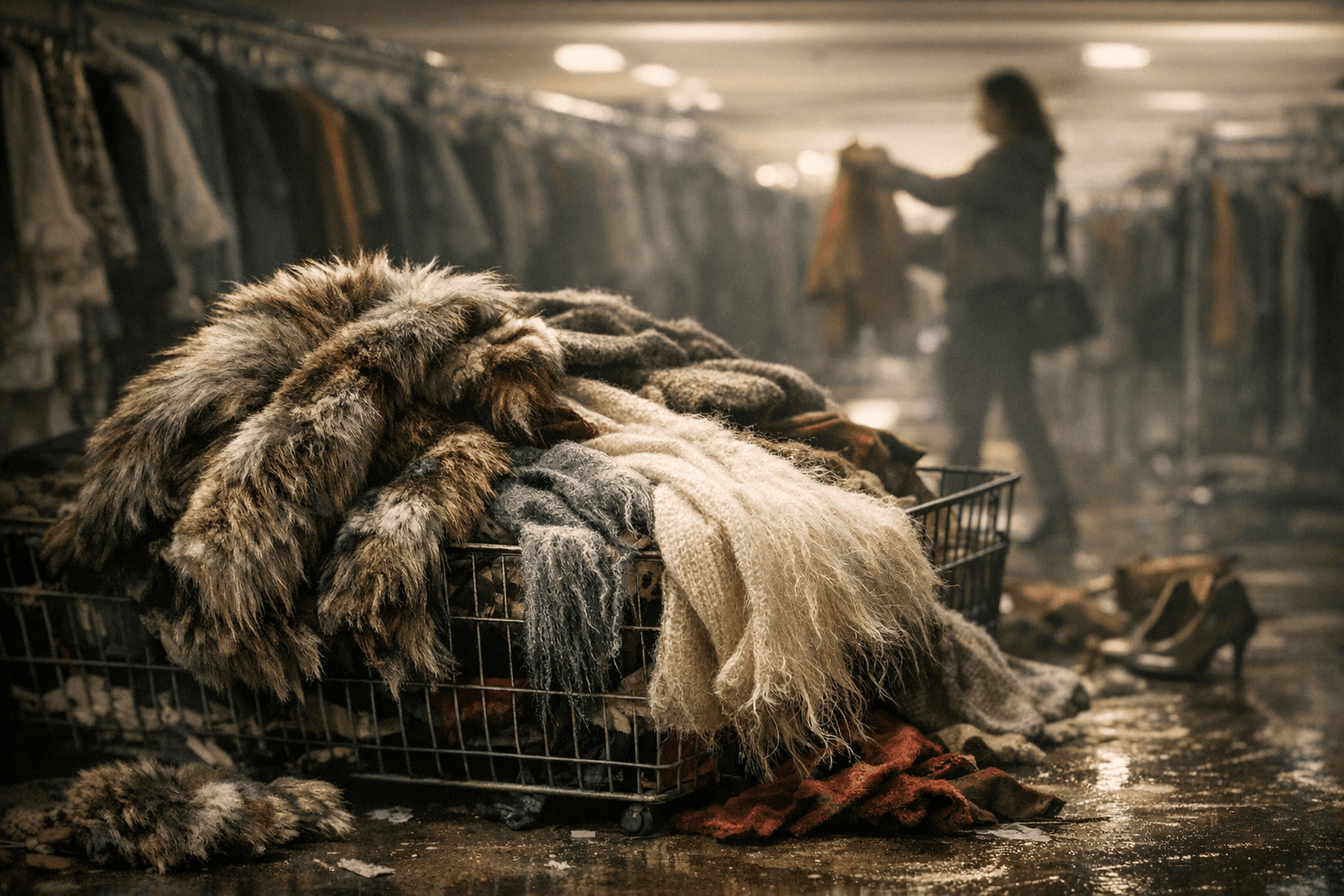
TJX just drew a harder line around what belongs in mass retail. The parent of TJ Maxx, Marshalls, HomeGoods, Winners, HomeSense, Sierra and TK Maxx now says its businesses around the world are fur-free and do not knowingly source angora or mohair, a policy shift that lands far beyond a niche ethics debate.
That matters because TJX is not a small specialty player testing a virtue-signaling capsule. The company ended fiscal 2025 with 5,085 stores across the United States, Canada, Europe and Australia, and it reported $56.4 billion in net sales for the 52 weeks ended February 1, 2025. When a retailer that large tightens its material rules, suppliers notice. So do shoppers who have long treated off-price as the most democratic corner of fashion, where luxury labels, seasonal basics and surprise finds all compete for space.
TJX’s fur-practices statement is blunt: “Our businesses around the world are fur-free.” It adds that the company does not knowingly source goods containing angora, from rabbits, or mohair, from Angora goats. The retailer said its off-price procurement model is complex and that any fur items mistakenly sent to stores or e-commerce sites are removed quickly. It also said it may still sometimes offer shearling, haircalf or hide, a reminder that the border between natural materials and animal-derived controversy is not disappearing overnight.
The timing sharpened the message. On April 24, 2026, PETA said TJX banned mohair after pressure from PETA US, tying the move to allegations of abuse in the mohair supply chain. That argument has been building for years around the Responsible Mohair Standard, the voluntary certification Textile Exchange says covers animal welfare, land management and social requirements from farms through the final business-to-business seller. Animal-rights groups have pushed back hard, saying certification has not stopped cruelty.
TJX’s decision also lands in a retail climate where mohair is becoming harder to defend, not just harder to sell. H&M has faced pressure from PETA to reinstate a mohair ban after a new investigation into RMS-certified farms, showing how quickly the issue is spreading from luxury and runway circles into the middle of the market. TJX has said it has formally reported on corporate responsibility efforts for 15 years, but this is different from a reporting milestone. It is a sourcing line in the sand, and for mainstream fashion, those lines are starting to move faster.
This article was produced by Prism’s automated news system from verified source data, official records, and press releases, then run through automated quality and moderation checks before publishing. The system is built and supervised by the people who set the standards it runs under. Read our full AI policy.
Did this article answer your question?


