Two handbags are enough for summer travel, Fashionista says
Two bags can cover a summer trip if one handles daylight logistics and the other sharpens the evening look. The smartest picks are light, secure, and versatile enough to move from beach walks to dinner.
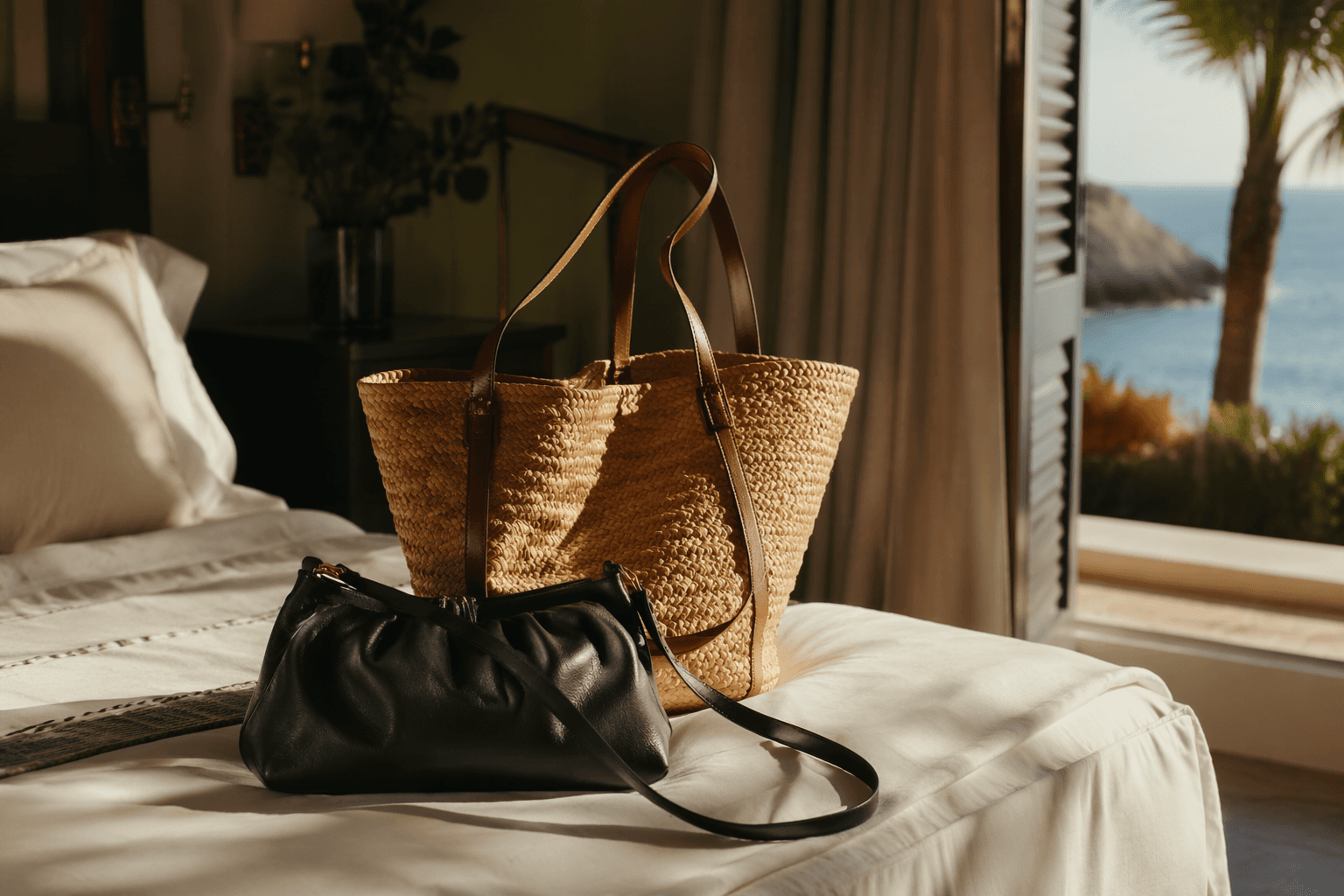
Two well-chosen handbags can do the work of an entire summer packing list, if you let each one earn its place. Fashionista’s case for a day bag and a night bag lands because it treats travel like real life, not a mood board: sunlit walks, dinner reservations, and late-night plans that ask for different levels of polish and practicality. The question is not whether two bags sound chic. It is whether they can actually carry a trip from airport to aperitivo without forcing a third tote into the mix.
The two-bag formula, stripped down to what it has to do
A strong summer travel bag strategy starts with a simple division of labor. The day bag carries the weight of movement, which means capacity, security, and comfort matter more than novelty. The night bag exists to reset the outfit, so it can be smaller, sleeker, and more decorative, as long as it still holds the essentials.
That is why the most persuasive version of this idea is not “pack less” in the abstract. It is: choose one bag that can survive long stretches of walking, errands, and transit, then choose a second that reads polished after sunset. Coach’s summer bag guidance gets at the same rhythm, describing days that can run from beach walks to outdoor dinners to late-night hangouts. Summer rarely stays in one mode for long, so a bag wardrobe that can pivot with it makes more sense than one overloaded carryall.
What the day bag has to prove
The day bag is the real test of the whole theory. It should have enough room for the things that make travel frictionless, but not so much space that it becomes a black hole of receipts and sunscreen tubes. Forbes Vetted’s travel tote coverage makes the right standard clear: organization, durability, weight, dimensions, and real-world performance in airports and on weekend trips are the benchmarks that matter.
In practice, that means a day bag should be easy to open, easy to close, and easy to wear for hours. A crossbody bag, tote, backpack, travel bag, shoulder bag, satchel, or belt bag can all work, depending on how much you carry and how polished you want to look. What matters most is that the bag feels secure and light, especially if you are moving through stations, terminals, or cobblestoned streets in Europe or on a local getaway.
A smart day bag should deliver on a few non-negotiables:
- Capacity that fits your daily essentials without bulging.
- A closure that feels secure in crowded places.
- A strap or handle that stays comfortable after hours of wear.
- A shape that looks intentional with linen, denim, swim cover-ups, and sundresses.
- Enough structure to keep the bag from collapsing when it is only half full.
That checklist is what separates a good-looking bag from a useful one. It also explains why shoppers continue to scrutinize handbag value and luxury pricing, as Business of Fashion has noted. When price tags rise, the bag has to do more than photograph well. It has to justify itself in miles walked and outfits saved.
Why the night bag can be small and still feel complete
The night bag does not need to work as hard, but it does need to finish the story. Its job is to turn daytime ease into evening intention, which is why clutches, pouches, compact shoulder bags, and smaller textured pieces feel especially right. Coach’s catalog includes clutches and shoulder bags alongside its larger shapes, and that range makes sense for a summer wardrobe that shifts from casual to dressy with very little warning.
This is where Fashionista’s one-for-day, one-for-night framing becomes especially practical. A compact evening bag can sharpen a simple outfit, whether you are wearing a slip dress, a crisp button-down with tailored shorts, or a column of black with sandals. It should be light enough to disappear once it is slung over the shoulder or tucked under the arm, but distinctive enough to make a plain look feel considered.
If the day bag is about carrying life, the night bag is about editing it. You do not need the same volume after dark, but you do need the same sense of purpose. A good evening bag should carry the phone, wallet, keys, lipstick, and maybe sunglasses, while looking refined enough for dinner and easy enough for a second stop after.
Summer 2026 bags are built for texture, not excess
The reason this two-bag formula feels current is that summer 2026 bag trends already lean toward pieces with tactile interest and practical shape. Who What Wear’s coverage points to raffia, straw, clutches, leather totes, woven leather bags, textured bags, statement totes, and pouches as the season’s key players. In other words, the market is not pushing shoppers toward more bags, just better-looking ones.
That matters because texture keeps a smaller wardrobe from feeling repetitive. Raffia and straw bring a sun-warmed, vacation-ready ease; woven leather and textured finishes add depth; statement totes and pouches keep the silhouette from going flat. Even the most pared-back packing list can feel editorial when the materials do the visual heavy lifting.
Who What Wear’s separate summer bag edit also reinforces how widespread the tactile mood is, with raffia and straw everywhere and pouches showing up in nylon, leather, sequins, and colorful fabrics. That mix gives the two-bag idea some room to breathe. A day bag can be functional and textural at once, while the night bag can lean more compact, glossy, or embellished without feeling overdone.
Why this pitch resonates now
Fashionista’s sponsored shopping post makes a neat argument because it speaks to a real tension in the way people shop today. Travelers want fewer pieces, but they do not want fewer options. They want handbags that feel versatile enough for a Euro-summer itinerary, but also polished enough for a night out in the city or a weekend escape close to home.
That is where the utility payoff is strongest. Two bags are enough only if each one is doing a distinct job: the day bag should be organized, secure, and comfortable; the night bag should be compact, elegant, and adaptable. The best versions will still look current because summer 2026 is favoring raffia, straw, woven leather, pouches, and textured statement shapes. In the end, the smartest travel wardrobe is not built on abundance. It is built on two handbags that know exactly when to work and when to disappear.
This article was produced by Prism’s automated news system from verified source data, official records, and press releases, then run through automated quality and moderation checks before publishing. The system is built and supervised by the people who set the standards it runs under. Read our full AI policy.
Did this article answer your question?


