Uniqlo and Central Saint Martins graduates unveil upcycled London collection
Uniqlo’s 10-piece Everyday Re.Imagined collection turned returned garments into hand-finished looks by two Central Saint Martins graduates in London.
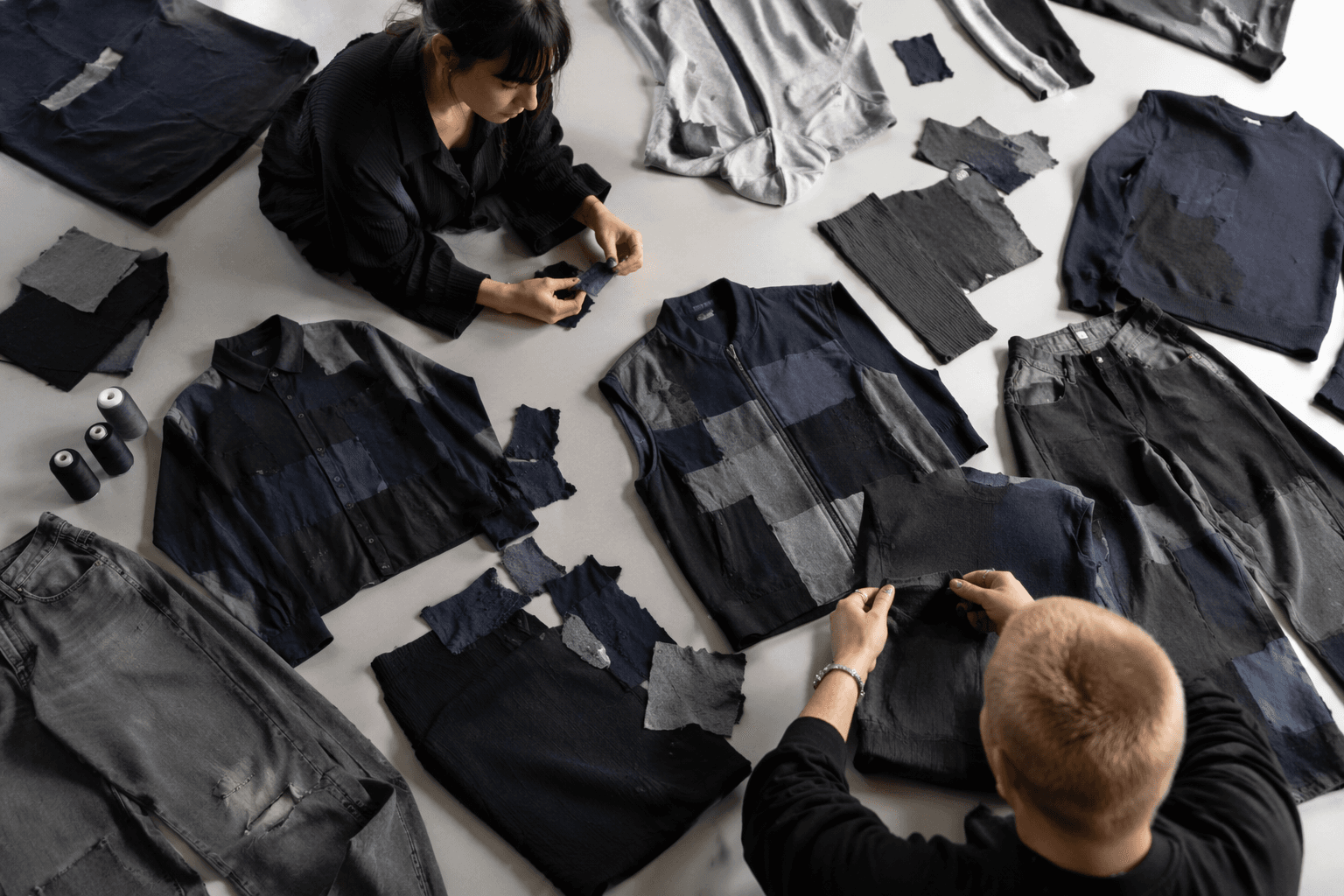
Uniqlo turned returned garments into a 10-piece design brief, then handed it to two 2025 Central Saint Martins BA Fashion graduates, Joshua Cornwell and Haseeb Hassan, for a London unveiling that treated waste as raw material rather than afterthought. The result, Everyday Re.Imagined, landed this week as a clean test of whether a retailer’s reverse-logistics stream can become a real product pipeline, not just a sustainability talking point.
The collection was built from Uniqlo items that could not be resold, which meant the work started with constraint, not freedom. That is the point of it. Instead of designing from pristine yardage, Cornwell and Hassan worked inside the shape, texture and condition of returned stock, with RE.UNIQLO STUDIO turning those pieces into hand-finished garments made in the London and Ghent ateliers. The process made the collaboration feel more like disciplined reconstruction than decorative upcycling.
Uniqlo frames RE.UNIQLO as part of a broader circularity framework built around reduce, reuse and recycle, and the brand has been pushing that model beyond the pilot stage. In the United States, RE.UNIQLO STUDIO launched in January 2022 at the SoHo flagship and has since expanded to eight locations, a scale that matters here because it shows the company already has a service infrastructure around repair and remaking. FashionUnited said Everyday Re.Imagined launched on June 25 in 15 RE.UNIQLO locations, underscoring that this is not a one-off art project tucked away in a showroom.
The London presentation sharpened the fashion angle. Central Saint Martins, part of University of the Arts London and based in King’s Cross and Archway, remains one of the industry’s most reliable talent factories, and Uniqlo was smart to anchor its circularity message there. The school’s name still carries weight in a room, especially when the clothes are not theoretical sketches but finished pieces with the pressure of retail scale hanging over them.
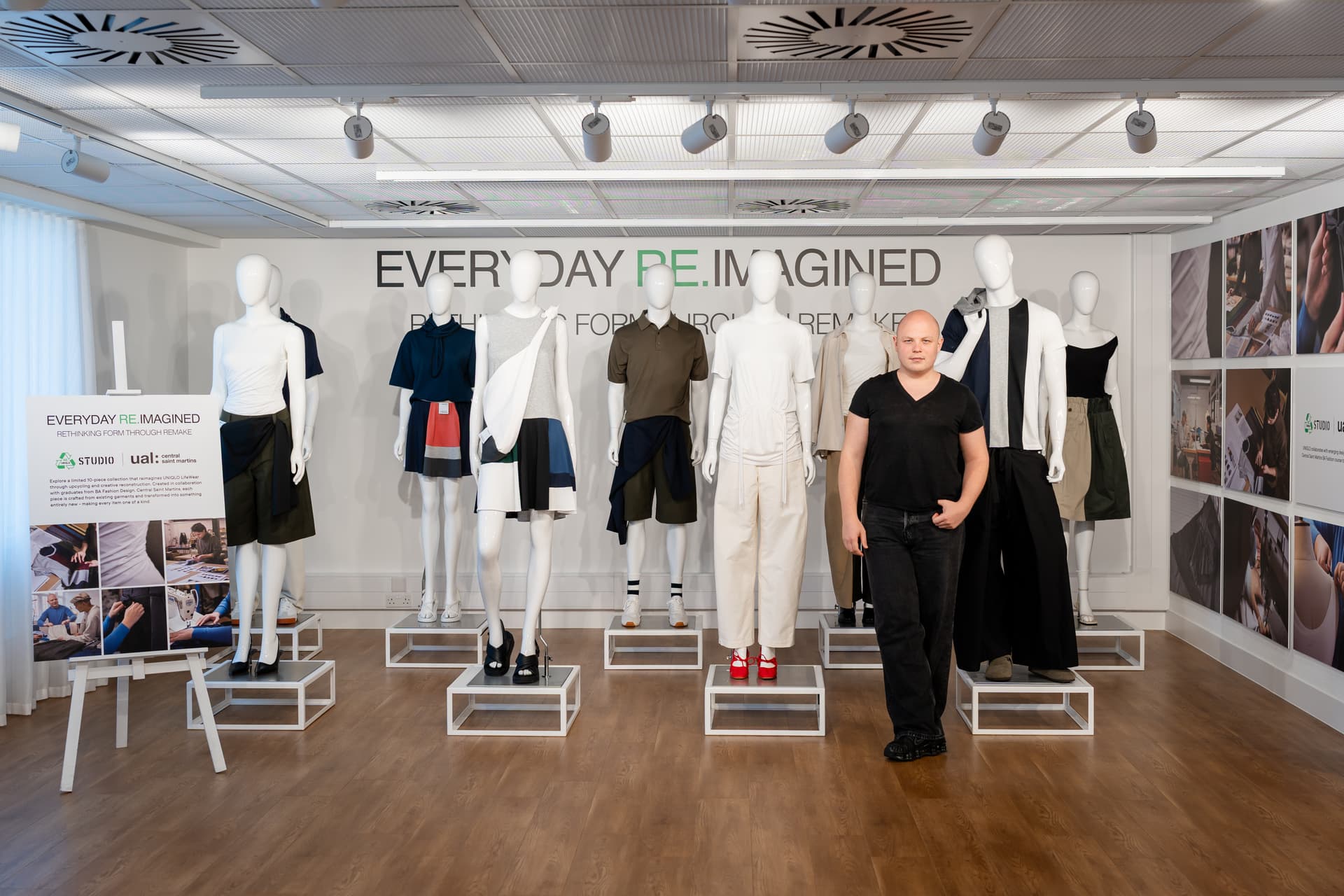
That is what gives Everyday Re.Imagined its value. The collection is small, but the idea behind it is useful: if a mass retailer can sort returns well enough to identify what cannot be resold, and if it can route those pieces through ateliers in London and Ghent into saleable product, then waste starts looking less like an end point and more like a design input. For Uniqlo, the experiment doubles as brand polish and process proof, and the tension between the two is exactly what makes it worth watching.
This article was produced by Prism’s automated news system from verified source data, official records, and press releases, then run through automated quality and moderation checks before publishing. The system is built and supervised by the people who set the standards it runs under. Read our full AI policy.
Did this article answer your question?


