Vintage sports jerseys surge as World Cup and Knicks fuel nostalgia
Vintage jerseys have moved from fan gear to fashion currency as World Cup fever and the Knicks title send demand and resale value soaring.
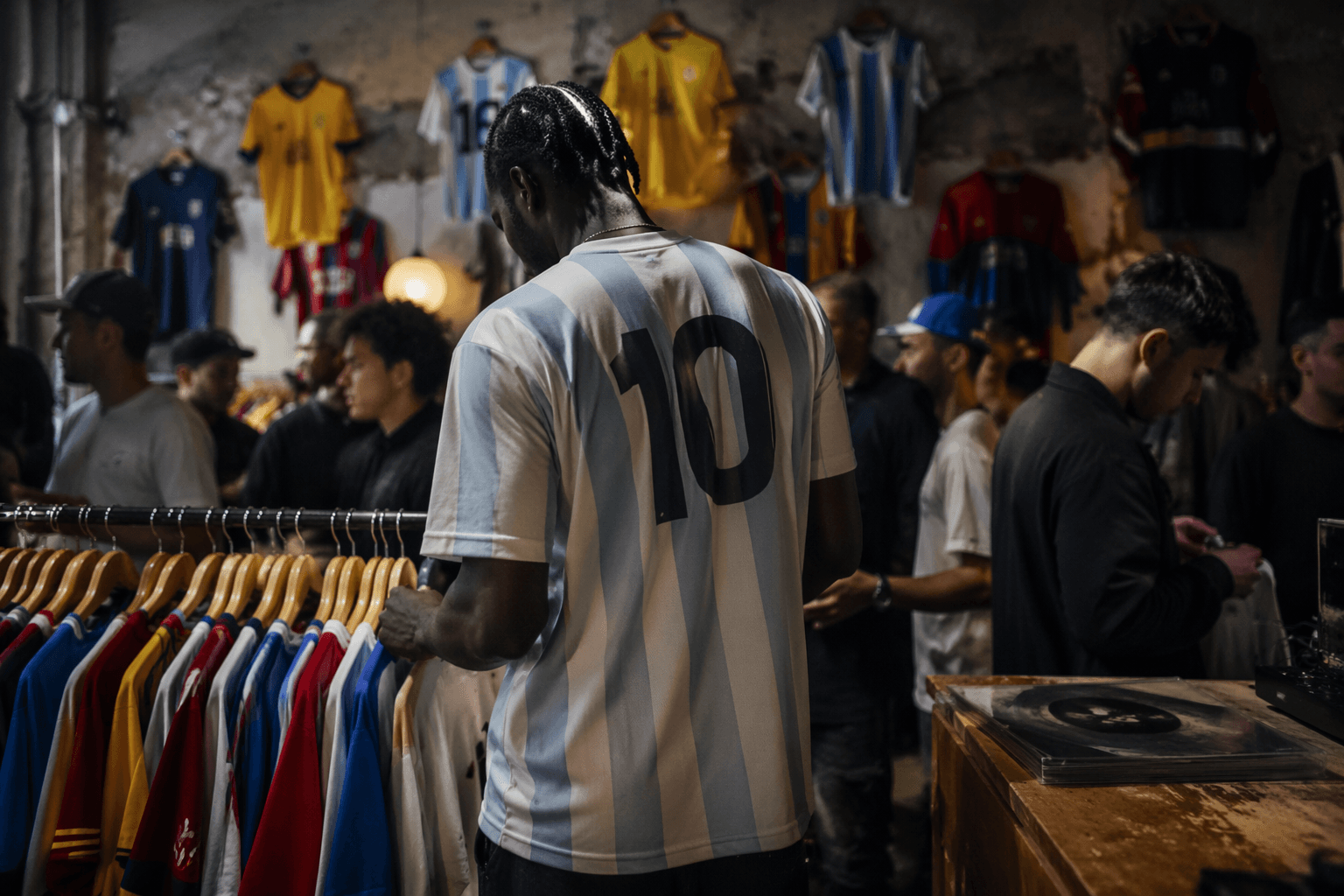
A vintage jersey is no longer just proof of allegiance. It is becoming a status piece, worn for its faded graphics, its borrowed history and the clean hit of nostalgia that now reads as style.
The clearest evidence is in the momentum around the 2026 FIFA World Cup and the New York Knicks’ championship win on June 13. The tournament began June 11 and runs through July 19, with 48 teams, 104 matches and games spread across 16 host cities in the United States, Canada and Mexico. FIFA confirmed a record 1,248 players representing 48 nations on June 2, and the scale alone has helped turn old kits, throwbacks and archive sportswear into current currency.
The Knicks’ title streak has pushed the market even harder. Fanatics said Knicks championship memorabilia briefly topped more than 8,000 orders per minute, and the team became its top-selling overall sports champion in the first 24 hours after the clinch. Fanatics also said Knicks championship sales were already more than doubling the 2020 Los Angeles Lakers’ previous NBA record, with the 2016 Chicago Cubs still the all-time championship sales benchmark. Those numbers matter because they show this is no longer a narrow basketball story; it is a retail event with the velocity of a cultural moment.
That shift is changing how jerseys are worn. Retro kits are moving from the arena to the street, styled as lifestyle pieces rather than souvenir merchandise. Nostalgia is doing part of the work, but so are sustainability arguments, social media visibility and the steady pull of streetwear, where an old shirt with a sharp crest and worn collar can carry more authority than a fresh replica. The jersey now functions like a vintage leather jacket or a rare sneaker: it signals taste as much as loyalty.

There is also a clearer women’s-fashion opportunity inside the boom. WWD noted that brands such as Coco Cultr are making fashion-forward Knicks and World Cup merchandise, filling a gap in stylish sports pieces for women. That matters in a market where the strongest items are not simply oversized logo tees, but cuts and collaborations that feel intentional enough to wear beyond game day, from New York City to Mexico City and beyond.
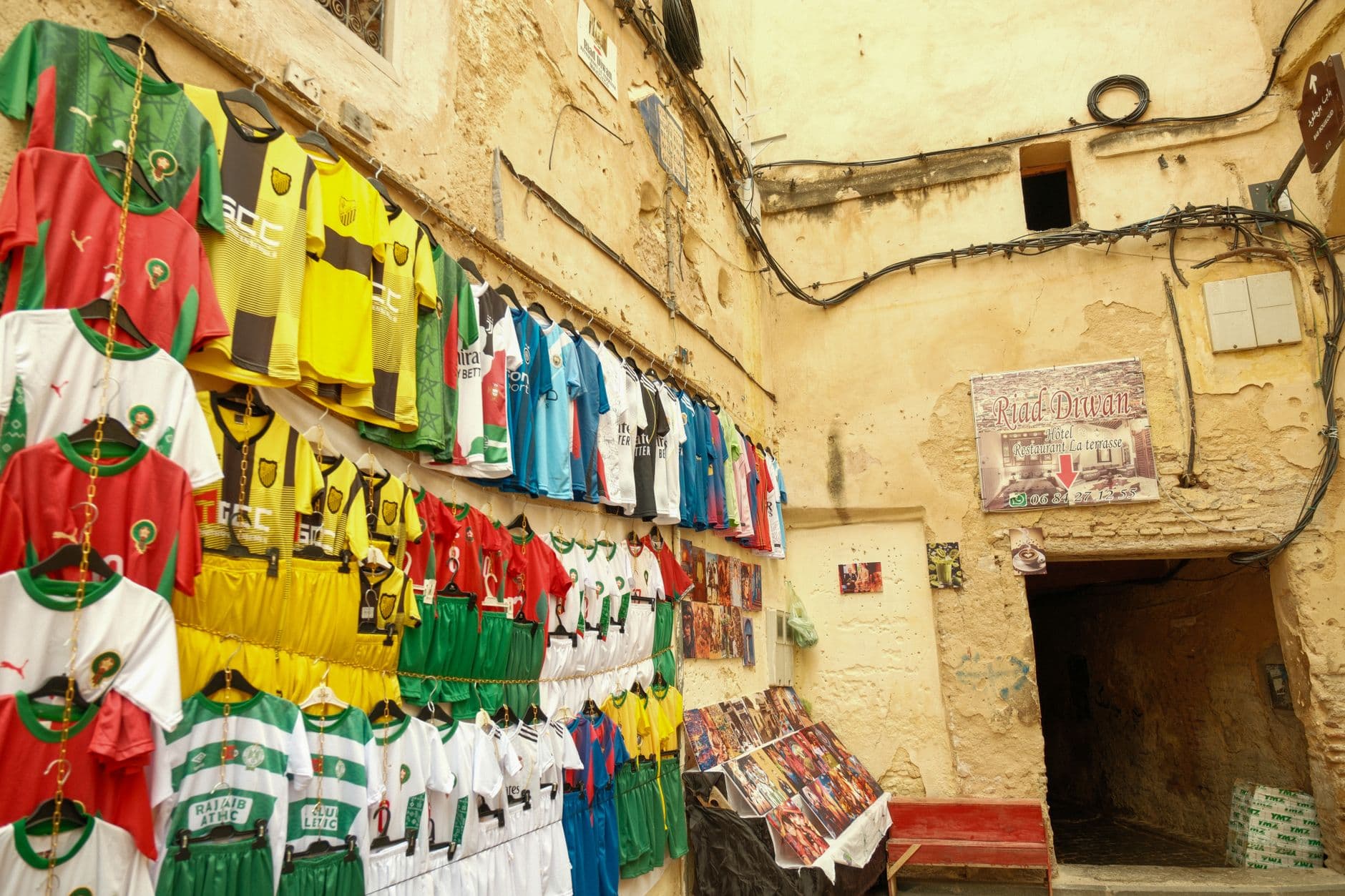
The result is a sportswear market in which memory has become a markup driver. The jersey is still a fan object, but in 2026 it is also an archive piece with real commercial heat.
This article was produced by Prism’s automated news system from verified source data, official records, and press releases, then run through automated quality and moderation checks before publishing. The system is built and supervised by the people who set the standards it runs under. Read our full AI policy.
Did this article answer your question?


