Zara Signs John Galliano to Rework Its Archive Into Seasonal Collections
John Galliano signed a two-year deal with Zara to deconstruct its archive into seasonal collections, with the first drop arriving September 2026.
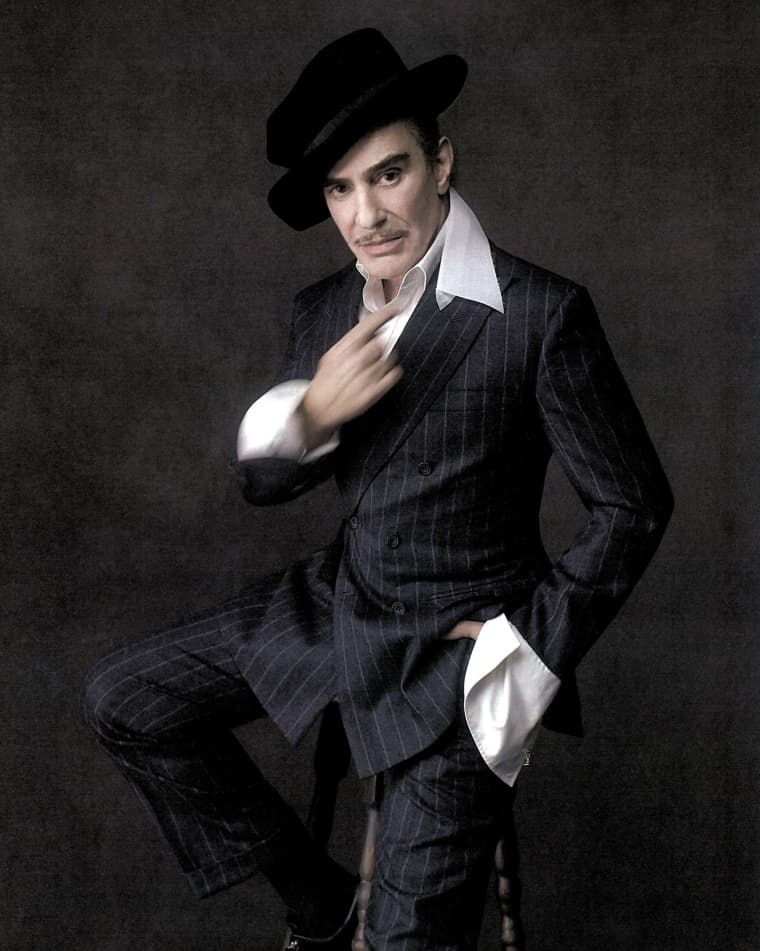
The deal fashion spent all of 2025 trying to predict landed somewhere no one saw coming. John Galliano, the couturier who rebuilt Dior's romance and remade Maison Margiela's DNA over a decade, signed a two-year creative partnership with Zara. The first collection drops in September 2026, with biannual releases to follow.
Galliano's assignment, as Zara framed it, is to "re-author" the brand's archive: working directly with garments from past seasons, deconstructing and reconfiguring them into entirely new seasonal expressions. He will create new toiles inspired by archive pieces, with the finished collections filled with new shapes, fabrics, and colors shaped by his distinctive signature. The distinction matters. This is not a capsule drop or a logo slap. It is an attempt to run Galliano's couture-trained eye over decades of mass-market product and produce something that can credibly be called new. He had apparently already started before the announcement, telling Vogue that he had been "curating" pieces from Zara's archive and that he was "super excited, because it's not something I've done before."
The partnership traces back to the MOP Foundation, established by Inditex chair Marta Ortega Pérez in A Coruña, Spain, where she has hosted major photography exhibitions dedicated to Steven Meisel, Irving Penn, and most recently Annie Leibovitz. Galliano told Vogue that through those exhibitions "we started to strike up a friendship." Previous Zara collaborations, with Narciso Rodriguez, Stefano Pilati, Ludovic de Saint Sernin, and Samuel Ross, were all finite capsules. A two-year deal with a defined biannual cadence is a different ambition entirely; as one luxury industry insider put it, the Galliano partnership amounts to "knighting Zara for its role as a true fashion company, not just one that copies trends."
For anyone planning to shop the September launch, expect Galliano's bias cuts, corseted structures, and heavily draped silhouettes to translate through Zara's production system at the higher end of the brand's typical price range. The most Galliano-coded pieces are also the ones most likely to surface on resale platforms within days of release. Whether they hold secondhand value beyond the initial rush will depend on build quality and repairability, neither of which Zara has historically prioritized, and on whether the archive-sourcing premise is as substantive as the marketing suggests.
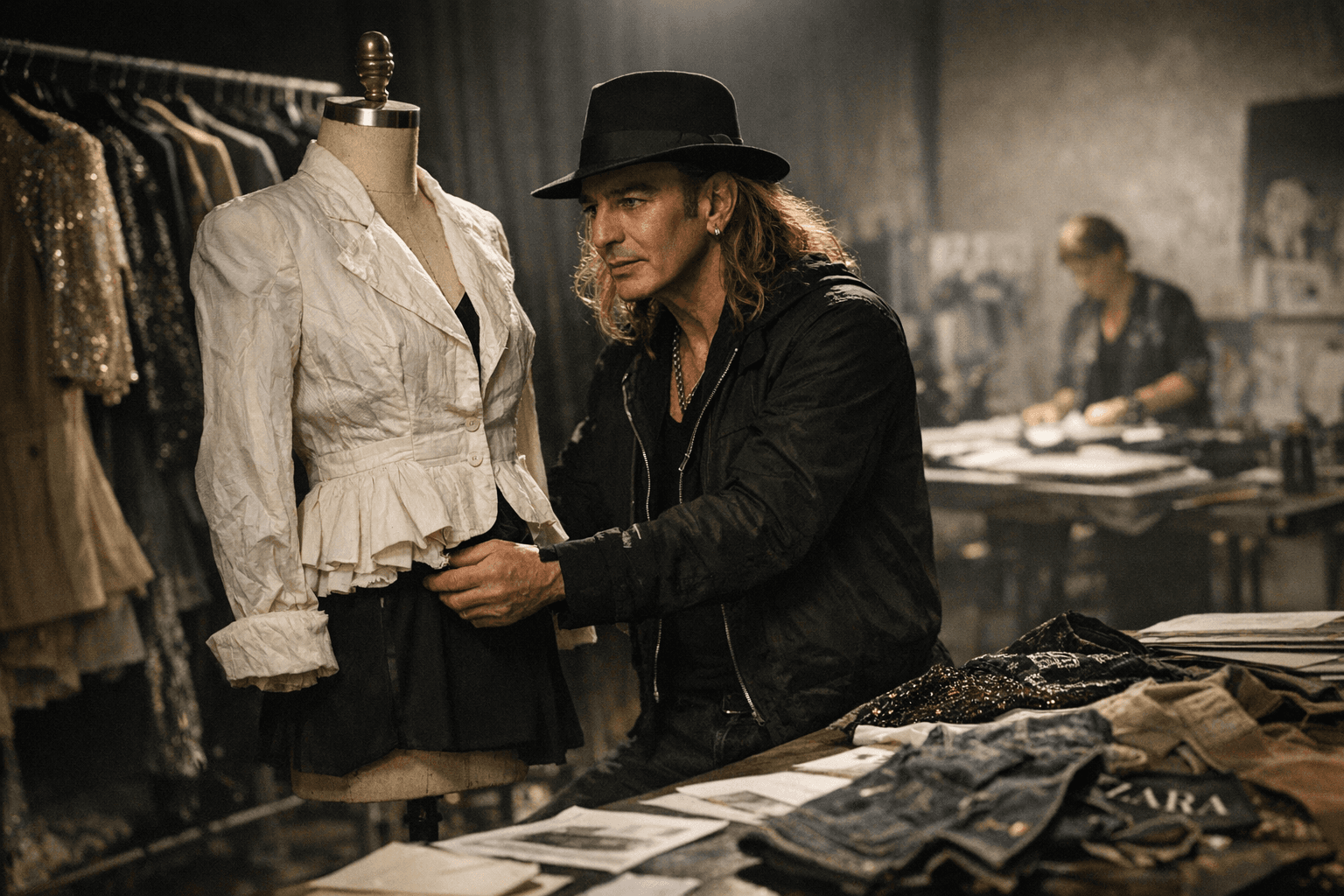
That last point is where the sustainability narrative gets complicated. Framing the collection as a reworking of existing Zara stock carries the implicit promise of circularity: less virgin production, more reinvention. What Zara has not disclosed is what proportion of finished pieces will derive from genuinely reworked archival garments versus newly manufactured product that simply carries Galliano's design direction. The regulatory context sharpens the question considerably. The EU's Ecodesign for Sustainable Products Regulation, which bans the destruction of unsold apparel for large companies from July 19, 2026, means Inditex needs to find productive uses for existing stock regardless. The archive-reworking premise looks tidier once you know that law is arriving the same summer as Galliano's debut.
Hovering over all of it is Galliano's own reputational arc. He was fired from Christian Dior in 2011 following antisemitic remarks and subsequently arrested; his decade at Maison Margiela, capped by a spring 2024 Artisanal collection widely described as a tour de force, was a calculated rehabilitation. At the scale of Zara's global retail operation, the reputational exposure for Inditex is of a different order. Whether the September collection answers the circularity question, or simply moves product faster than usual before landing on resale by October, will be the clearest read yet on what archive-driven fast fashion actually means when a couture-trained designer applies it.
This article was produced by Prism’s automated news system from verified source data, official records, and press releases, then run through automated quality and moderation checks before publishing. The system is built and supervised by the people who set the standards it runs under. Read our full AI policy.
Did this article answer your question?


