Zegna reimagines summer menswear with texture, leather, and linen
Zegna turned Malibu into a lesson in tactile summer dressing, making leather, suede, and open-weave construction look sharper than safe linen ever could.
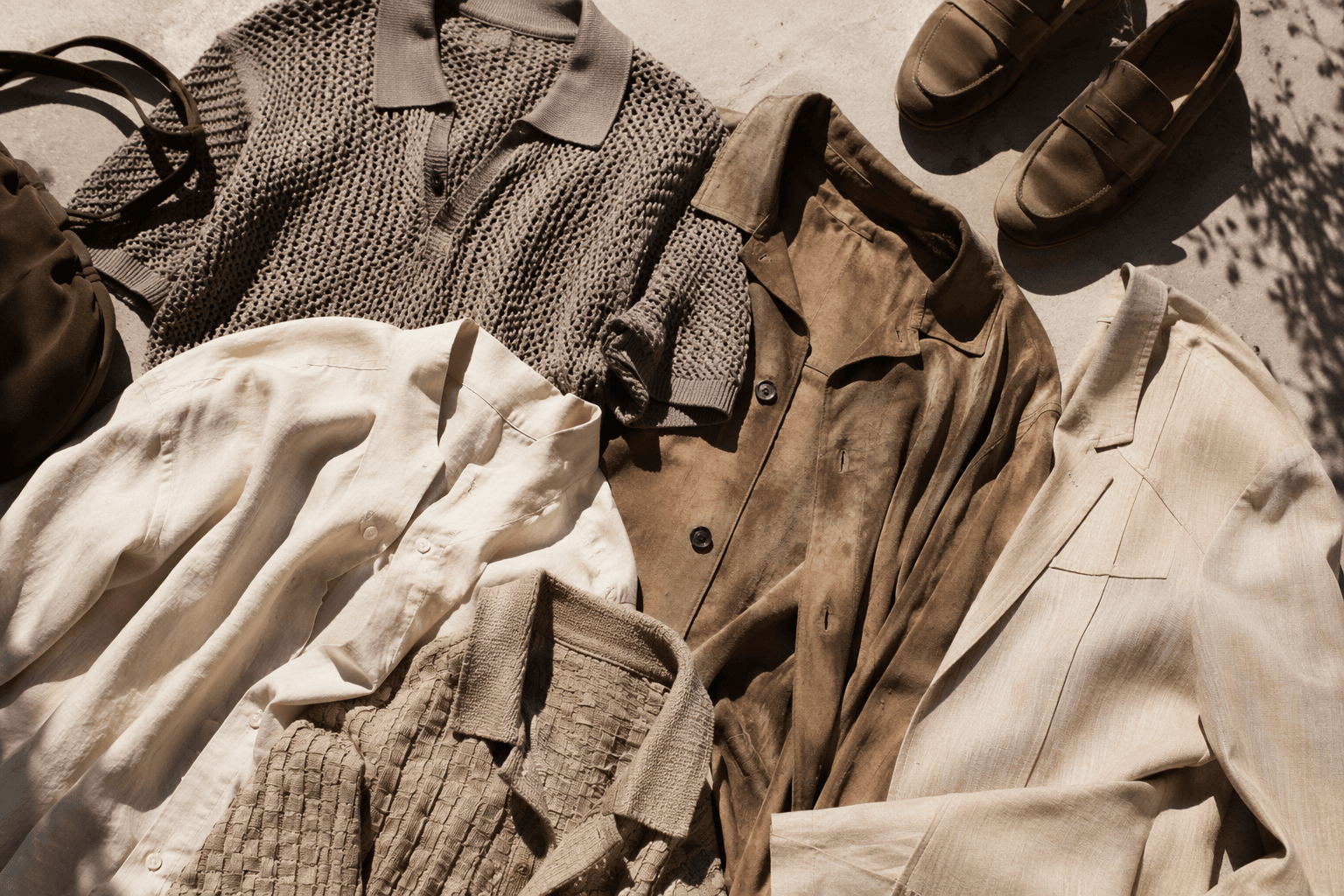
Zegna just made a strong case that summer menswear does not have to look washed out to feel light. On Malibu Pier, with dark clouds overhead and surfers still moving through the ocean, Alessandro Sartori staged a collection that treated texture like the whole point, not a decorative flourish.
Texture is the new summer code
The clearest idea in the show was brutally simple: warm-weather dressing gets boring when every brand reaches for the same flat, breezy linen. Zegna answered with a woven leather jacket, and that single move set the tone for the entire collection. Leather shirts, shorts, overshirts, leather bombers, braided suede, knitted suede, intarsia bombers, and a black bomber with an open weave of knitted suede on the outside and nubuck inside all pushed the season toward something denser, richer, and more tactile.
That is what made the collection feel fresh. Zegna did not reject summer polish, it expanded it. Linen and tailoring were still part of the vocabulary, but they sat beside surfaces with real depth, the kind that catch light, hold shadow, and make a simple silhouette feel expensive before you even register the cut. Sartori introduced more than 50 different fabrics and textures, which is exactly the kind of obsessive range that separates a luxury runway from a glossy lookbook.
La Villeggiatura, but with teeth
The collection was titled La Villeggiatura, a nod to the Italian summer ritual of villeggiatura, the leisurely stay in a beautiful place. That idea could easily have drifted into postcard softness, but Zegna gave it more grit by staging the show in Malibu, a coastline that still bears the marks of the January 2026 fires. The setting mattered. This was not fantasy resort dressing floating above reality, it was a luxury brand planting a flag in a place that had seen real damage and still looked cinematic anyway.
The guest list reinforced the scale of the moment. About 500 people attended, including Rami Malek, Mahershala Ali, Stellan Skarsgård, Paul Dano, Gael García Bernal, and Scottie Pippen. It felt less like a sleepy seasonal presentation and more like a full-court fashion event, the kind of rollout where brand heat, celebrity gravity, and product development all hit at once.
WWD framed the event as a runway show that also brought together top clients for made-to-measure appointments and a closer look at Zegna’s latest textile developments. That matters because it shows where the brand thinks the real value lives right now. The spectacle is the invitation; the fabric is the pitch.
Why leather now reads as summer
Zegna’s gamble is that summer luxury should feel crafted, not merely cooled down. A leather shirt in June sounds wrong until you see it cut with enough ease, enough surface play, and enough breathability in the overall look to make the piece feel deliberate rather than heavy. The same goes for the suede bombers and the open-weave construction. These are not winter materials lazily dragged into warmer weather. They are reworked so the eye reads movement, ventilation, and hand-feel all at once.
That is the bigger style thesis here. Luxury menswear is moving away from the idea that summer equals subtraction. Instead, the most interesting brands are making warm-weather dressing more tactile, more layered, and more specific. The result is richer and, frankly, more masculine in the best sense of the word: not stiff, not obvious, just built with intention.
Sartori’s own message was blunt. "The first piece that struck me in the collection was a woven leather jacket," and the underlying point was even clearer: "We have a different approach to summer." That is exactly why the collection lands. It does not beg you to think harder about menswear. It just shows you how much better summer can look when the fabric actually has something to say.
The Zegna archive is doing real work here
For all the novelty in the collection, this was not a clean break from the house’s past. Zegna referenced the historical E. Zegna Yachting line from the 1970s and 1980s, when the brand sponsored regattas in Portofino on the Italian Riviera. That archive connection gives the Malibu show a sharper read than a simple coastal mood board. It links this new wave of textured summer tailoring to a heritage of maritime polish, sport, and old-money ease.
That heritage is also part of the house’s larger identity. Ermenegildo Zegna was founded in 1910 in Piedmont, Italy, and the brand has long sold the idea that cloth, construction, and finish matter as much as silhouette. In this collection, that legacy showed up not as nostalgia, but as method. The clothes looked modern because they were engineered with a traditional obsession for surface and structure.
What this means for summer style now
If you want the read on where high-end menswear is going, start here: summer is no longer just a linen season. The strongest luxury clothes are getting more textural, more dimensional, and more willing to use materials that once lived in colder months. Zegna’s Malibu show proves that a warm-weather wardrobe can carry weight without looking heavy.
The practical takeaway is simple. Look for pieces that create contrast through fabrication, not loud color or gimmicky detail. A woven leather jacket reads smarter than another generic overshirt. A knitted suede bomber has more presence than a flat nylon layer. Even the best linen feels sharper when it is surrounded by richer materials and precise tailoring.
Zegna did not just stage a pretty show on the water. It drew a new outline for summer menswear, one where luxury comes from touch, construction, and depth. In a season full of easy breezes and easy answers, that feels like the more interesting way to dress.
This article was produced by Prism’s automated news system from verified source data, official records, and press releases, then run through automated quality and moderation checks before publishing. The system is built and supervised by the people who set the standards it runs under. Read our full AI policy.
Did this article answer your question?


