American elegance defines resort 2027 formalwear, with restrained sparkle
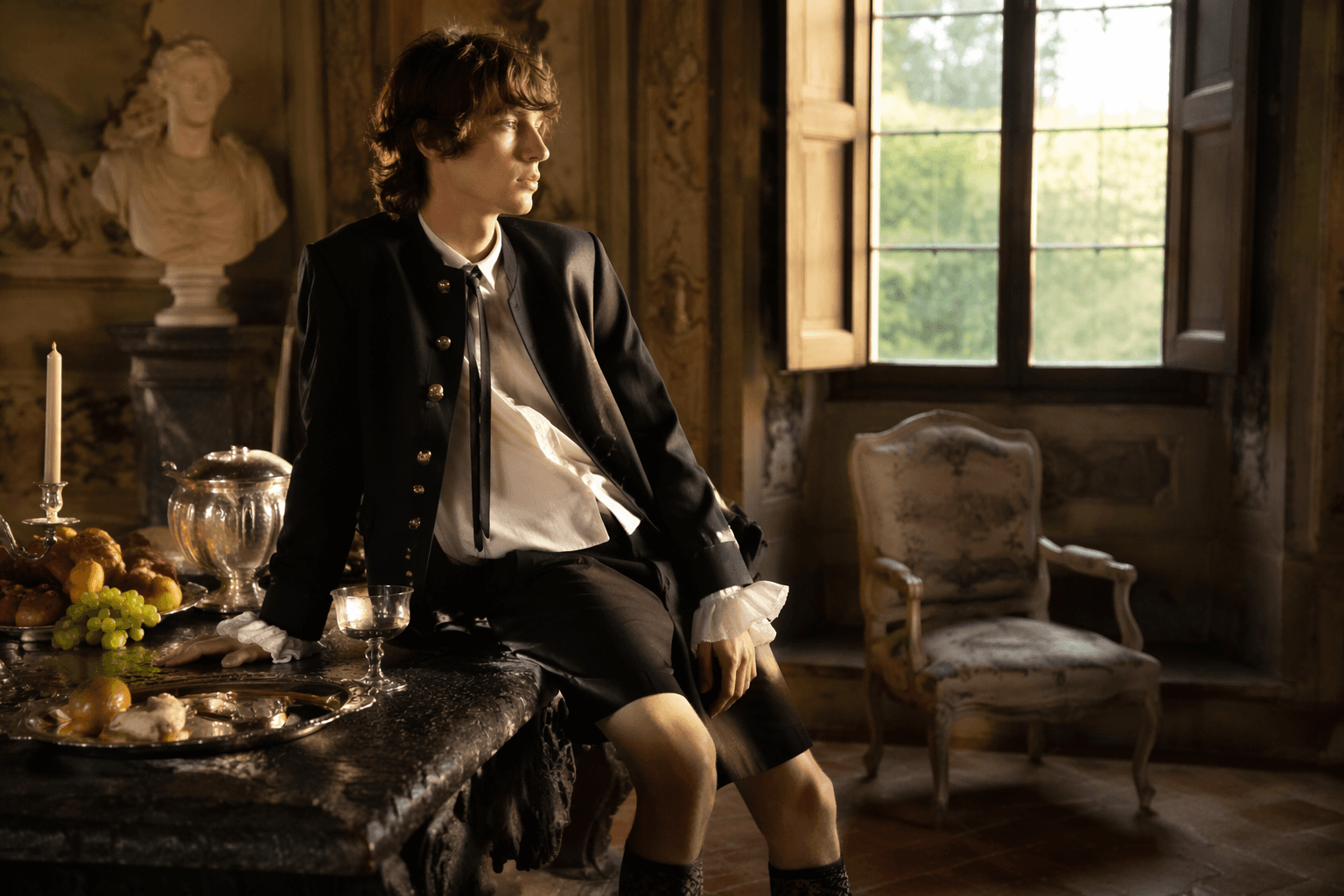
Quiet luxury has turned sharper. Resort 2027 formalwear favors clean lines, movement, and controlled sparkle, and American polish is suddenly the power move.

Quiet luxury is not gone, it has just lost its taste for shyness. Resort 2027 formalwear is leaning into a more restrained American elegance, where status comes from clean lines, movement, and sparkle used with a light hand, not a loud one. That shift makes occasion dressing feel less like costume and more like confidence in motion.
The new formalwear power shift
The timing matters. The United States is set to mark 250 years of independence next month during resort season, and that gives American style a sharper patriotic and historical frame than usual. At the same time, the biggest European houses have been staging their own U.S.-centric spectacles, with Louis Vuitton and Gucci using iconic New York City landmarks as runways and Dior, Hermès, and Zegna showing in Los Angeles. The message is hard to miss: American style is no longer the backdrop. It is the headline.
WWD’s resort 2027 runway index also puts New York and Milan coverage alongside the U.S. fashion season, which only reinforces how global the conversation has become. This is not a local reset. It is a transatlantic recalibration of what reads as elevated, what reads as expensive, and what reads as trying too hard.
What now signals high-status dressing
The strongest looks are not screaming for attention, and that is exactly why they feel costly. Clean lines do the heavy lifting: streamlined silhouettes, uncluttered fronts, and shapes that skim rather than cling. Movement matters just as much. A dress that sways when you walk looks richer than one that sits stiffly on the body, because ease is now part of the luxury code.
Then there is sparkle, but make it disciplined. The new standard is not full-throttle shine; it is controlled sparkle, placed where it catches light in passing, not where it overwhelms the room. That might mean a modest scattering of embellishment, a glint at the shoulder, or a polished finish that looks glamorous under evening light without tipping into red-carpet theater. The effect is moneyed polish with a low voice.

Prabal Gurung makes ease look deliberate
Prabal Gurung is one of the clearest interpreters of this shift. His Atelier line is “eveningwear with sportswear ideals,” and that phrase explains the whole mood better than any trend deck could. The clothes keep the language of formal dressing, but they borrow the comfort, fluidity, and directness of sportswear, which makes them feel contemporary instead of ceremonial.
He also called the easy aspect of the clothes “deeply rooted in Americana,” which is exactly right. In Gurung’s hands, restraint is not blandness. It is a kind of self-possession. He has also pointed back to his early-2000s stewardship of Bill Blass, linking the line to an American tradition of streamlined society dressing that did not beg for attention. His read on that era is blunt and useful: it was “not look at me!” and it carried “quiet confidence.” That is the actual old-money code now, not excess but composure.
Bill Blass matters here for a reason. Britannica identifies him as an American designer who helped define the relaxed, pared-down elegance that shaped late-20th-century American fashion. Gurung is not copying that legacy. He is updating it for women who want the effect of heritage without the stiffness that sometimes comes with it.
Lela Rose turns to the American West
Lela Rose pushes the conversation in a different direction, but the same instinct is there: polish with texture, heritage with restraint. Her inspiration reaches into the American West and antique Native American storyteller belts, which gives the clothes a sense of memory and craft without turning them into costume. That matters because the old-money lane can get lazy fast when it leans on beige formulas and predictable pearls.
Rose’s version of formalwear feels more dimensional. The references bring in surface interest and cultural specificity, which makes the clothes feel considered rather than merely expensive. The result is exactly what this season keeps rewarding: a look that has weight, detail, and identity, but still leaves room for movement.

Markarian and the return of restraint with shine
Markarian belongs in this conversation because it understands the sweet spot between celebration and control. The brand is helping modernize formalwear with restraint and sparkle, and that combination is doing a lot of work right now. It lets a dress feel event-ready without veering into the kind of high-drama excess that can look dated the minute the flashbulbs go off.
That is the bigger recalibration at play. Occasion dressing is being rewritten for women who want moneyed polish without looking obviously trend-chasing. The new flex is to look finished, not over-produced. If the dress sparkles, it should do so because the cut is clean and the movement is right, not because every inch is fighting for attention.
Why legacy still matters
This is where the old-money conversation gets interesting instead of stale. The references to Bill Blass, Halston, Isaac Mizrahi, and Mainbocher are not museum labels. They are signals that American elegance has a lineage, and that lineage keeps getting reinterpreted whenever the market gets tired of theatrical dressing. The Metropolitan Museum of Art’s In America: An Anthology of Fashion underscores how deeply those defining moments in 19th- and 20th-century American fashion still shape the way we read polish now.
That legacy is the point. Resort 2027 does not reject glamour, it edits it. The women who will matter in this moment are the ones wearing clothes that move well, glow softly, and never look desperate to be noticed. In other words, the highest-status look right now is the one that makes effort invisible and elegance look inevitable.
This article was produced by Prism’s automated news system from verified source data, official records, and press releases, then run through automated quality and moderation checks before publishing. The system is built and supervised by the people who set the standards it runs under. Read our full AI policy.
Know something we missed? Have a correction or additional information?
Submit a Tip