AW26 Runways Embrace Restraint, Refined Tailoring, and Quiet Luxury
AW26 runways traded spectacle for substance: brushed wool, matte leather, and jewelry-like precision are the season's real power moves.
The Quiet Has Arrived
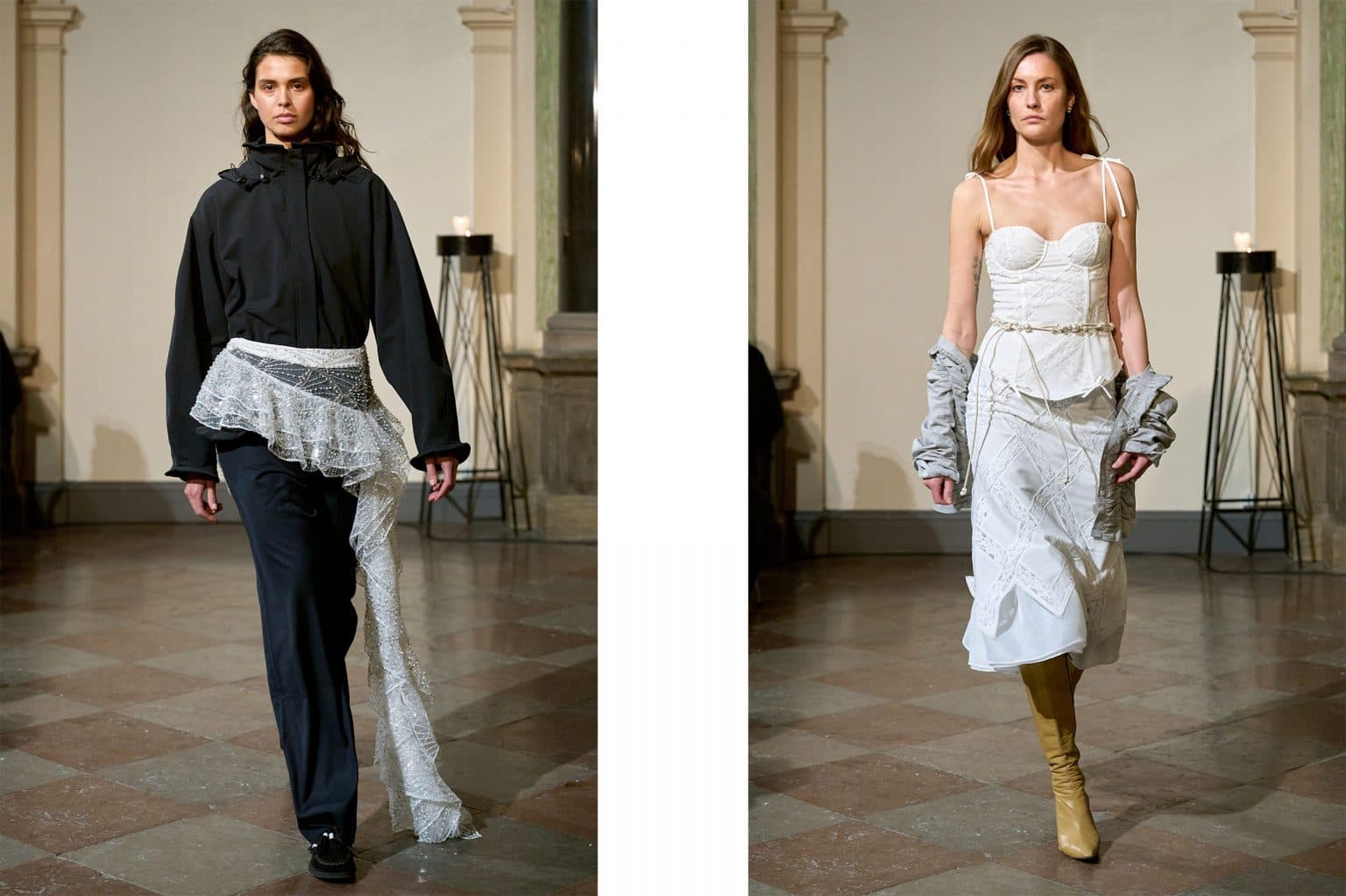
After several seasons of headline-grabbing creative director debuts, bombshell exits, and runway moments designed more for the algorithm than the wardrobe, AW26 landed with something genuinely surprising: stillness. FashionUnited's season-closing analysis described it plainly: a calmer phase is emerging across luxury fashion, and many designers have settled into their roles. That settledness reads directly in the clothes. Collections felt considered rather than reactive, precisely executed rather than provocative, and grounded in the kind of craft that rewards sustained attention over a quick front-row glance.
This is not minimalism returning in its bleached, mid-2010s form. What distinguished AW26 was the reinterpretation of restraint rather than its simple repetition. Wearability became a central theme without appearing arbitrary. Eveningwear migrated into daily dressing. The tension in a look, when it existed, lived entirely in the details: a jewel-like button, a complex surface, a pattern that rewarded a second look. As FashionUnited put it, the season "sought balance while consciously leaving room for individual interpretation."
The Silhouettes That Define the Season
Across all four fashion weeks, a consistent shape emerged: long and deliberate outerwear, suiting that feels intentional rather than restrictive, and a subtle recalibration of shoulder and waist. At New York, coats ran long and were frequently belted or double-breasted; shoulders sharpened while waists were softly defined rather than cinched. The message was precision without aggression.
Bottega Veneta under Louise Trotter offered the season's most-studied example of this balance. The collection opened with monochromatic, near-modular tailored pieces anchored in brutalist architecture. Rounded shoulders carried a subtle hourglass through the body before the line fell cleanly straight. A grey wool coat with a deeply sculpted lapel, worn by Irina Shayk, became a reference image for the season: austere yet physically expressive, serious without severity. Trotter's collection then opened into fluid curves, demonstrating how the season's restraint was never about rigidity but about control releasing gracefully into movement.
At Balmain, new creative director Antonin Tron signaled a shift for the house from its signature maximalism toward something more architectural and considered: strong shoulders and sculpted silhouettes, yes, but in service of a "sophisticated restraint that feels fresh for the house." It was a signal that even fashion's more theatrical addresses are recalibrating toward substance.
The Textiles Doing the Talking
When a collection strips back surface noise, fabric becomes the argument. AW26 made that argument loudly, in materials that reward touch as much as sight.
Velvet had a major moment, though not the opulent, eveningwear-coded velvet of past seasons. At Calvin Klein, creative director Veronica Leoni translated it into a spare black velvet suit through minimalist tailoring. Ralph Lauren leaned into the material's classical gravity with a long, flowing velvet dress. Alaïa offered a sharply tailored take that treated the fabric's lustre as a structural tool rather than a decorative flourish. The through-line: velvet used with restraint, privileging cut and clean lines over surface impact.
Dunhill's AW26 collection, helmed by Simon Holloway, articulated the season's fabric hierarchy with unusual specificity: Super 120s and 150s wool flannels, alpaca car coats, merino barathea, and cashmere-silk blends. Holloway described the collection as navigating "the tension between aristocratic formality and unguarded artistic expression," and the materials were chosen precisely to hold that tension. Accessories extended the palette: leather driving gloves, silk ties, cashmere scarves as haberdashery punctuation rather than statement pieces.
At Gabriela Hearst in Paris, cashmere lace and hand-crocheted pieces made with a Bolivian women's artisan collective sat alongside tweeds and cashmere corduroy. The palette stayed restrained throughout, occasionally punctuated by flashes of blue and rich red. Proenza Schouler at NYFW worked in buttery leathers: structured yet fluid, pieces that moved naturally rather than announcing themselves. Bottega's brushed mohair knits carried real physical heft. Across collections, the material shortlist converged on the same qualities: brushed surfaces, matte finishes, tactile weight, and fabrics that communicate cost without spelling it out.
The Details: Checks, Jewellery Accents, and Surface Intelligence
FashionUnited identified checks as one of AW26's genuinely versatile signatures: a pattern that "effortlessly oscillates between tradition and subculture," with its roots in tartan and kilts matched by an equally strong foothold in counter-cultural codes. The range of houses working with checks this season underscored that versatility. Whether rendered in a heritage tweed at Erdem or disciplined into a tailoring grid elsewhere, checks functioned as the season's primary tool for adding pattern depth without departing from the overall mood of restraint.
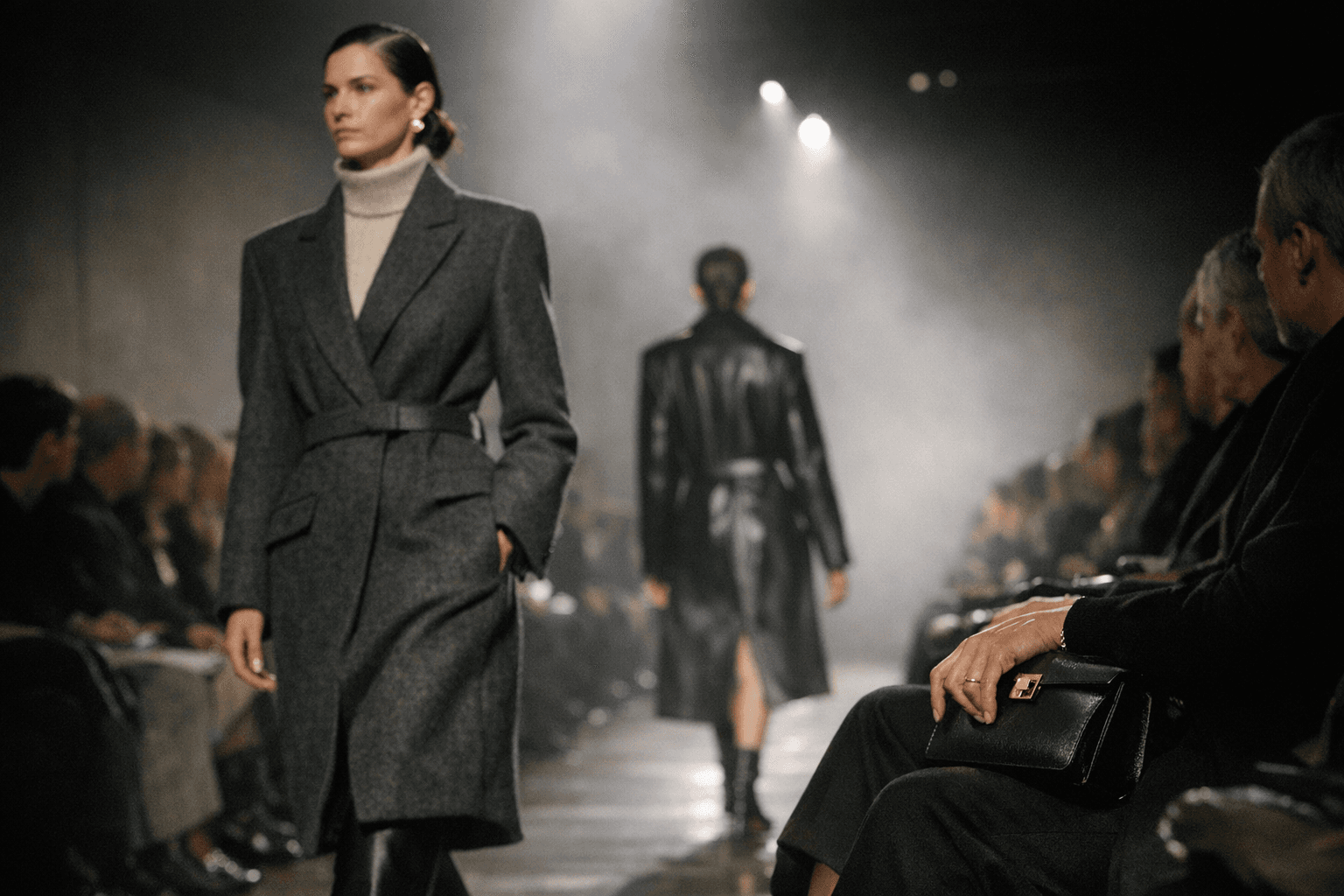
The other consistent detail was what FashionUnited called "jewellery-like elements": accents that elevated understated looks without breaking their register. Think hardware on a matte leather jacket that functions more like a cufflink than a buckle, or a brooch-weight button on a wool coat. At the Joseph show during London Fashion Week, the collection produced "moments of drama that pared-back dressing can offer," rendering what a Hell! Magazine editor described as "fantastic tailoring, peppered with colossal gold jewellery, sweeping fringing and luxe textures." The effect recalled a specific kind of taste: Joan Collins-at-her-most-controlled, the drama achieved through exact accumulation rather than volume.
Shop Your Closet / Buy One Thing: 7 Upgrades for the AW26 Moment
The season's aesthetic is built on fundamentals that many wardrobes already contain in rougher form. The edit below identifies where to work with what you have and where a single specific purchase does the most work.
- Brushed-wool topcoat: If you own a mid-length wool coat that reads stiff or formal, check the fabrication. AW26's coats were long, slightly rounded at the shoulder, and finished in fabrics with tactile surface interest: brushed, bouclé, or double-faced. A coat in this category is the single highest-leverage buy of the season. Look for a belted or double-breasted cut in camel, charcoal, or black.
- A checked piece (wear what you have): Tartan, glen plaid, houndstooth. If it's already in your closet, the runway has cleared it for active service. The critical move is in the styling: treat it as the quiet one in the outfit, not the statement. Pair with a matte-leather accessory or a simple cashmere underneath.
- Precise tailoring over a thin knit: Bottega Veneta's signature AW26 layering move: a thin knit layered under a structured jacket or blazer, collar half-popped. It softens the architecture without undermining it. Nearly anyone with a blazer and a fine-gauge rollneck can execute this.
- Matte leather (not patent, not logo-heavy): Proenza Schouler's buttery leathers and Balmain's rich black leather pieces under Tron both functioned as a quiet power signal. The key word is matte. A matte leather jacket or trouser worn over a cashmere knit reads as the season's quiet authority without any overt brand statement.
- Velvet suiting separates: A single velvet blazer, worn with non-velvet trousers, achieves the Calvin Klein effect without committing to a full suit. Keep the silhouette minimal and the rest of the outfit deliberately spare. Navy, black, or deep burgundy; cut close but not restrictive.
- A jewellery-weight hardware piece: The accents doing the lifting this season were small and precise: a significant ring, a heavy-gauge chain used with discipline, a brooch on a lapel. These are the "jewellery-like elements" FashionUnited flagged as the season's depth mechanism. The point is one piece, worn with intention, not layered accumulation.
- Cashmere or cashmere-blend knitwear with real weight: Not the thin, pilled cashmere of the fast-fashion tier. Dunhill's cashmere-silk blends and Gabriela Hearst's cashmere corduroy both communicated value through physical presence. If you're making one fabric investment this season, prioritize weight and hand-feel over colourway.
The Longer Arc
What AW26 ultimately revealed is that the old-money aesthetic is not a trend cycling back through fashion's rotation. It is a posture: toward craft, toward permanence, toward clothes that perform quietly over time. The Harrods buying team at Milan described the season's shift away from excess toward substance as collections "grounded in craftsmanship, wearability, and long-term value" that align with how their customers are "choosing to invest today." That framing matters. The investment logic of quiet luxury is no longer aspirational shorthand. It is the season's dominant commercial and aesthetic reality, and the runway has finally caught up with the wardrobe.
This article was produced by Prism’s automated news system from verified source data, official records, and press releases, then run through automated quality and moderation checks before publishing. The system is built and supervised by the people who set the standards it runs under. Read our full AI policy.
Did this article answer your question?