Fashion Trust U.S. Awards, minimal red-carpet luxury and emerging talent funding
The best looks at Fashion Trust U.S. were all quiet authority, clean columns, restrained color, polished drape, and zero logo screaming.

The new old-money red carpet is all discipline
The smartest clothes in the room did not beg for attention. At the Fashion Trust U.S. Awards in Los Angeles, the sharpest looks came from labels like Cult Gaia, Monse, Ferrari, and David Koma, and they all pointed in the same direction: sleek eveningwear, sculptural lines, and accessories kept on a tight leash. That is the real takeaway here. If you want red-carpet polish that translates into old-money dressing, the formula is simple: clean silhouette, restrained color, expensive fabric, and very little noise.
What worked was the kind of luxury that does not need to announce itself. A strong column dress, a long lean line, a little architecture through the torso or shoulder, and fabric that falls properly can do more than a pile of sparkle ever will. The best looks had that polished drape that makes a body look composed instead of dressed up. Nothing felt overworked, which is exactly why it read as expensive.
What to borrow from the room
The easiest thing to steal from this carpet is the column silhouette. It is the old-money move for a reason: it creates length, stays elegant, and lets tailoring do the talking. Whether the fabric is glossy or matte, the point is the same, no fuss, no visual clutter, just a shape that understands restraint.
The next move is color discipline. Keep it restrained. Soft black, ivory, stone, espresso, deep navy, and muted metallics always land harder than anything that tries too hard to be a moment. That kind of palette lets the cut and construction carry the outfit, which is exactly where the money should be showing.
Then there is the finish. The best looks did not lean on visible embellishment, and that is the detail most people get wrong when they chase glamour. If you want the old-money version of eveningwear, choose one polished surface and stop there. Silk with a clean sheen, crepe that falls like a curtain, or a structured fabric with enough body to hold a shape all work. The clothes should look costly before they look decorated.
- Go for one clean focal point: a precise neckline, a sharp shoulder, or a long uninterrupted line.
- Keep jewelry minimal and intentional, not stacked like a sales rack.
- Let the dress or suit carry the room, not the styling tricks around it.
- Choose fabric that drapes well under flash, because cheap material always gives itself away.
What to leave behind
Skip the over-accessorized look. The second a carpet outfit starts competing with itself, it loses that quiet authority old-money style depends on. Big logos, too many sparkling add-ons, and anything that looks like it was styled to be “seen from across the room” all work against the mood here.
Leave behind fussy construction for the sake of drama. This was not about extreme volume or novelty shape for novelty’s sake. The strongest silhouettes were sculptural, yes, but controlled. That distinction matters. Sculpture should sharpen the body, not swallow it.
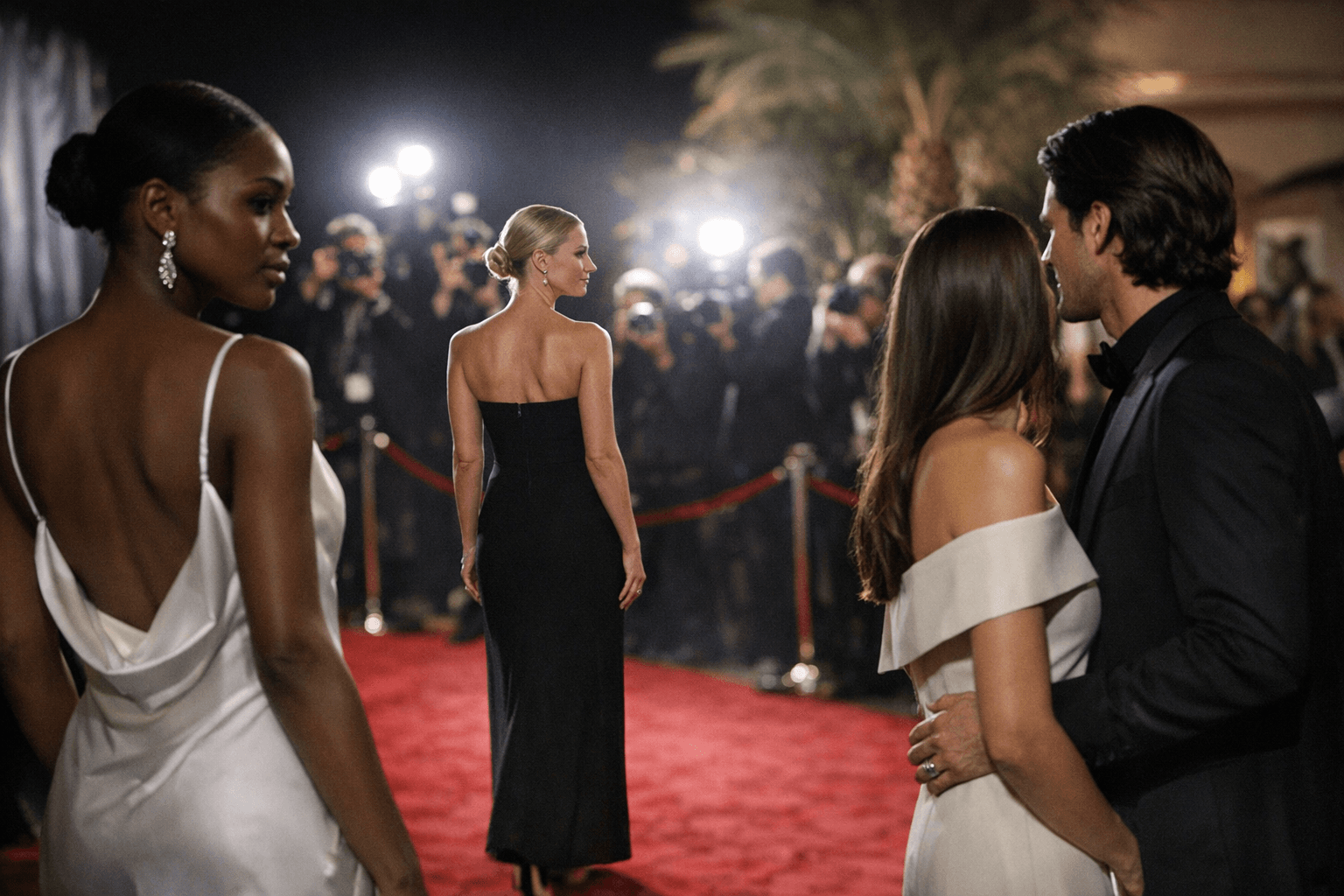
The same goes for embellishment. A little shine can be elegant; too much makes the whole thing feel rented. The better reference point is a dress that looks like it was made to live in a private dining room, not a photo call.
Why this gala matters beyond the clothes
Fashion Trust U.S. is a nonprofit 501(c)(3) founded by Tania Fares, launched in 2022, with its first Award Gala in 2023. By the time it reached its fourth annual ceremony on Tuesday, April 7, 2026, the event had already become more than a pretty industry night. It distributed $600,000 in grants this year alongside mentorship programs, which is the part that gives the red carpet actual weight. The fashion is the face of it; the funding is the engine.
The 2026 awards covered ready-to-wear, jewelry, accessories, graduate, and sustainability, plus a design initiative created with Type One Ventures. That spread matters because it shows where the industry is placing bets: not just on clothes, but on the whole ecosystem around them. Emerging talent needs money, yes, but it also needs access, guidance, and a path into the business that does not flatten the designer’s point of view.
The names that set the tone
This year’s ceremony honored Tory Burch and Michèle Lamy, which is an interesting pairing if you care about style language. Burch brings the polished American side of luxury, while Lamy brings the lived-in, art-world edge that keeps fashion from turning into wallpaper. Together, they frame the range of what the industry still values: refinement on one end, provocation on the other.
The night was hosted by Ego Nwodim and featured a performance by Lykke Li, both of whom fit the event’s slightly cooler, less predictable register. The finalists were selected with input from Tania Fares and board and advisory members including Laura Brown, Maha Dakhil, Jamie Mizrahi, Carlos Nazario, Anastasia Soare, Emma Thynn, and Karla Welch, with Google participating as presenting partner in the selection process. That kind of roster tells you the awards are not just a pageant. They are part taste committee, part funding mechanism, part industry signal.
The bigger style signal
The red carpet was not trying to reinvent glamour. It was refining it. That is why the best looks felt wearable even at their most elevated, because the silhouette was clean, the color was controlled, and the styling trusted the clothes to do the heavy lifting. For anyone building an old-money wardrobe, that is the real lesson: luxury looks strongest when it is calm enough to be mistaken for ease.
The pieces worth remembering are the ones that could leave the carpet and still work at dinner, at a gallery opening, or at a formal wedding without losing their edge. That is the standard now, and the Fashion Trust U.S. Awards made it plain: polish wins when it behaves like a habit, not a performance.
This article was produced by Prism’s automated news system from verified source data, official records, and press releases, then run through automated quality and moderation checks before publishing. The system is built and supervised by the people who set the standards it runs under. Read our full AI policy.
Did this article answer your question?