Found Luxury Replaces Quiet Luxury With Patina, Provenance, and Character
Found luxury swaps quiet luxury's pristine neutrals for patina, provenance, and pieces that look like they've actually been lived in — the old-money wardrobe, properly understood.
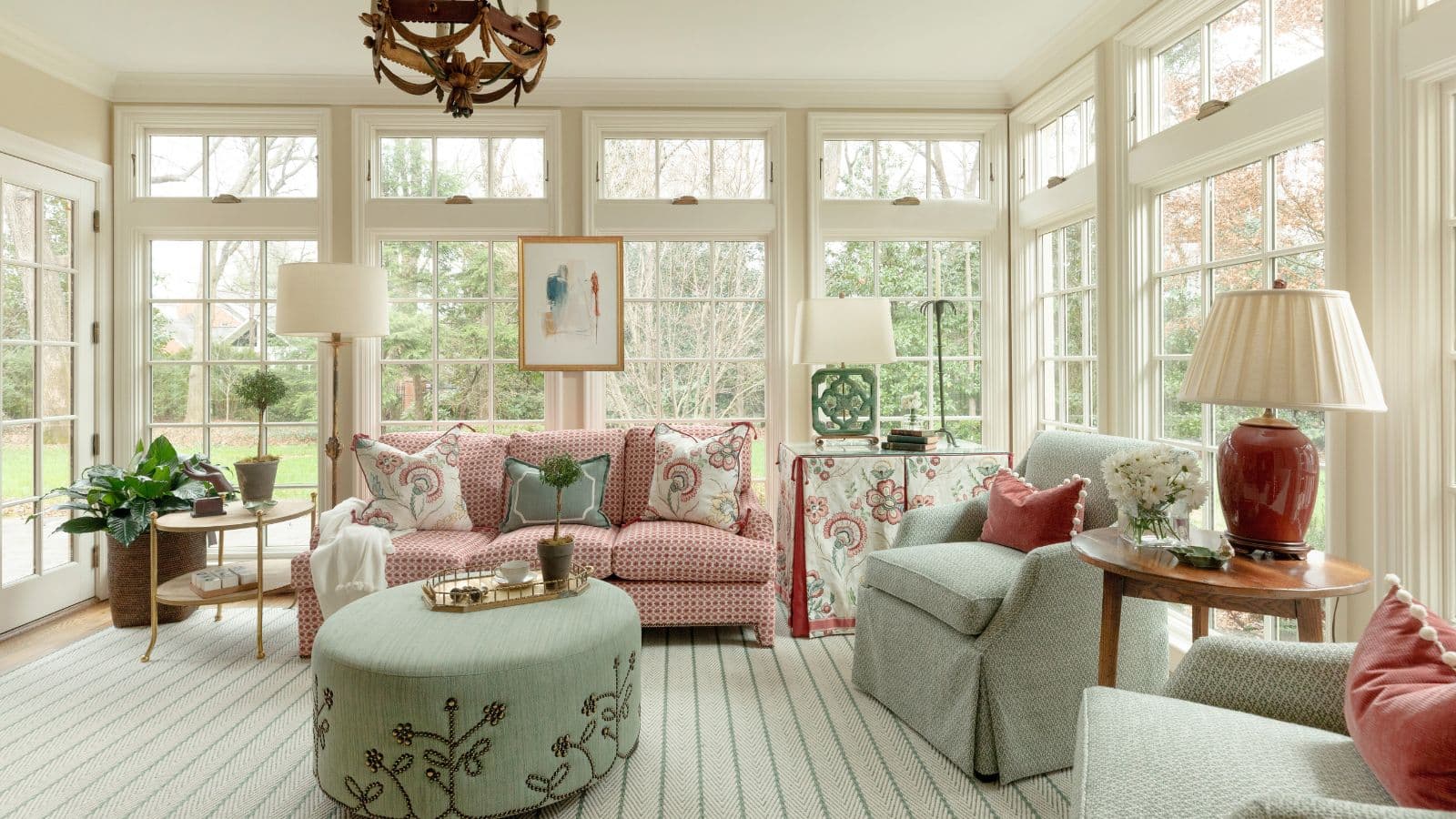
Quiet luxury had a good run. The all-beige, logo-stripped, nothing-out-of-place aesthetic dominated interiors and wardrobes for the better part of three years, and it delivered something real: a corrective to the maximalist chaos that preceded it. But by 2026, its limitations have become harder to ignore. Neutrals without narrative, restraint without character, minimalism without memory — it all started to feel like a hotel lobby rather than a life. Enter found luxury, the aesthetic evolution that designers and tastemakers are crediting as quiet luxury's more emotionally intelligent successor.
What Found Luxury Actually Means
Found luxury is not a rebrand. It's a fundamentally different philosophy about what makes something feel expensive. Where quiet luxury prizes pristine curation — the matchy-neutral scheme, the brand-new cashmere, the untouched surface — found luxury prizes provenance, patina, and the evidence of a life well-lived. Senior Interior Designer Olivia Needham of Sims Hilditch, one of the firms most closely associated with the shift, draws a clean distinction between the two: quiet luxury was built on restraint, quality, and understated elegance. Found luxury adds a layer of emotional weight that restraint alone cannot supply.
The Homes & Gardens piece that crystallized the trend describes found luxury as "more about how people actually live," achieved not by purchasing a complete scheme at once but by slowly collecting objects over time. The layering is the point. Each piece carries its own history, its own story of where it came from and what it survived. That accumulated character is what makes a space, or a wardrobe, feel genuinely luxurious rather than merely expensive.
The Fashion Translation
The same logic applies directly to how old-money style is understood, built, and worn. The old-money wardrobe was never supposed to look new. Pristine everything is the tell of recent acquisition. True old-money dressing has always included pieces that show appropriate wear: a Barbour jacket with genuine patina from years of country walking, penny loafers that have been resoled twice, an oxford shirt collar with the faint fraying that comes from actual use. These are not flaws to be hidden; they are the proof of investment, and the evidence of taste that preceded this season's trend cycle.
In the found luxury frame, this is the whole point. Over-coordinated, too-perfect wardrobes read as costume, not character. Colors should work together without matching exactly. The belt does not need to match the shoes. Slight variation reads as genuine rather than planned, because genuine is exactly what it is.
Patina Is Not an Accident
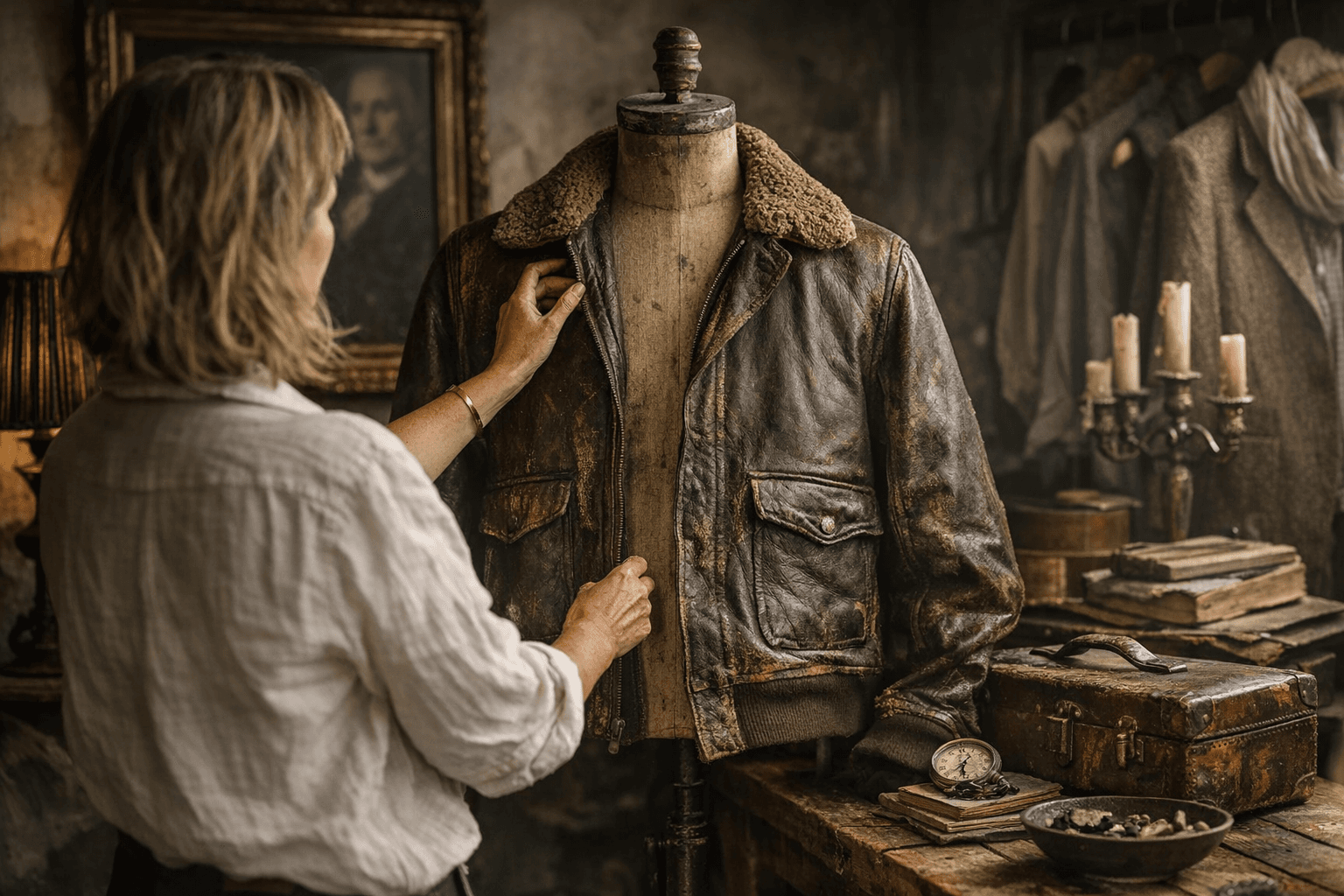
The single most important material signal in found luxury dressing is leather, specifically leather that earns its finish over time. Vegetable-tanned leather, which accounts for roughly 10% of global leather production due to the time and cost involved, is the category standard. The oils from your hands, exposure to light, and daily friction cause it to darken, smooth, and develop a patina that is literally unique to each owner. Chrome-tanned leather, which dominates the mass market, is processed in hours rather than months and stays largely static in appearance. It never becomes more yours.
A vegetable-tanned belt or bag worn daily for five years looks nothing like it did at purchase, and that is the investment thesis: these pieces develop a patina over many years and decades, becoming more individual with every consecutive wear. No two end up identical. The found luxury wardrobe understands this and builds around it, choosing pieces where aging is the feature rather than the problem.
The Antique and Heirloom Moment
The found luxury shift in fashion is also showing up in the industry's own forward signals. Fashion trend analyst Kristen Bateman, writing in her 2026 Fashion Trend Theories newsletter, documented a clear telegraphing across major collections: Anna Sui referenced Gibson Girl silhouettes, Daniel Roseberry filled Schiaparelli with reimagined crinolines, and Simone Rocha sent models carrying what looked like heirloom christening gowns. Stylists Genesis Webb and Chloë Felopulos went further, incorporating real antiques, defined as items over 100 years old, into their editorial work.
Accessories are the most immediate entry point. Bateman specifically names the kinds of pieces that carry found luxury's provenance signal most efficiently: "a 1920s beaded piano shawl, a Victorian snake necklace, an Edwardian bag." Antique engagement rings have already seen a measurable surge in demand, reflecting the same underlying preference for objects with a story over objects with a receipt.
Building the Found Luxury Wardrobe
The practical difference between a quiet luxury wardrobe and a found luxury wardrobe is not in the price point; it's in the acquisition logic.
Quiet luxury is typically assembled deliberately and at once: a neutral capsule, coordinated and complete. Found luxury is accumulated over time, combining heritage pieces with contemporary tailoring, vintage accessories with modern silhouettes, and heirloom objects with functional staples. The goal is a wardrobe that could not have been bought in a single afternoon, because the best ones weren't.
Some practical entry points:
- Invest in leather goods that age. A vegetable-tanned belt, a structured bag, or classic loafers will look better in five years than they do today. That trajectory is the luxury.
- Incorporate one genuine antique per outfit. A Victorian brooch on a modern blazer lapel, an Edwardian silk scarf worn as a headband, a pair of inherited cufflinks: one authentic heirloom shifts the entire register of an otherwise contemporary look.
- Let quality pieces show their history. A Barbour jacket, a Harris Tweed blazer, or a pair of sturdy oxford brogues that have been resoled should not be retired because they look used. They should be worn because they look earned.
- Collect, don't coordinate. The color palette should cohere, but pieces should come from different sources, different eras, different places. A wardrobe that could only have come from one store in one season signals aspiration. A wardrobe built across years and origins signals taste.
Why the Shift Matters
The deeper cultural driver behind found luxury is a growing skepticism of the performative. Quiet luxury, for all its virtues, became a trend, which means it became something you could buy your way into entirely. Found luxury cannot be purchased as a finished product; it has to be assembled, earned, and lived in. The craft, provenance, and restraint that drove old-money dressing were always about this: the idea that real wealth is expressed through the accumulated weight of good decisions made over time, not through the impeccable neutrality of last season's capsule.
In 2026, the most compelling wardrobes are not the most curated. They are the most inhabited. That is a distinction quiet luxury could gesture at but never quite make. Found luxury makes it real.
This article was produced by Prism’s automated news system from verified source data, official records, and press releases, then run through automated quality and moderation checks before publishing. The system is built and supervised by the people who set the standards it runs under. Read our full AI policy.
Did this article answer your question?