Luxury shifts from exclusivity to belonging, redefining old money status
Affluent consumers now want the right circle to recognize them, and old-money style is shifting from display to social proof, according to Team One's 4,334-person study.

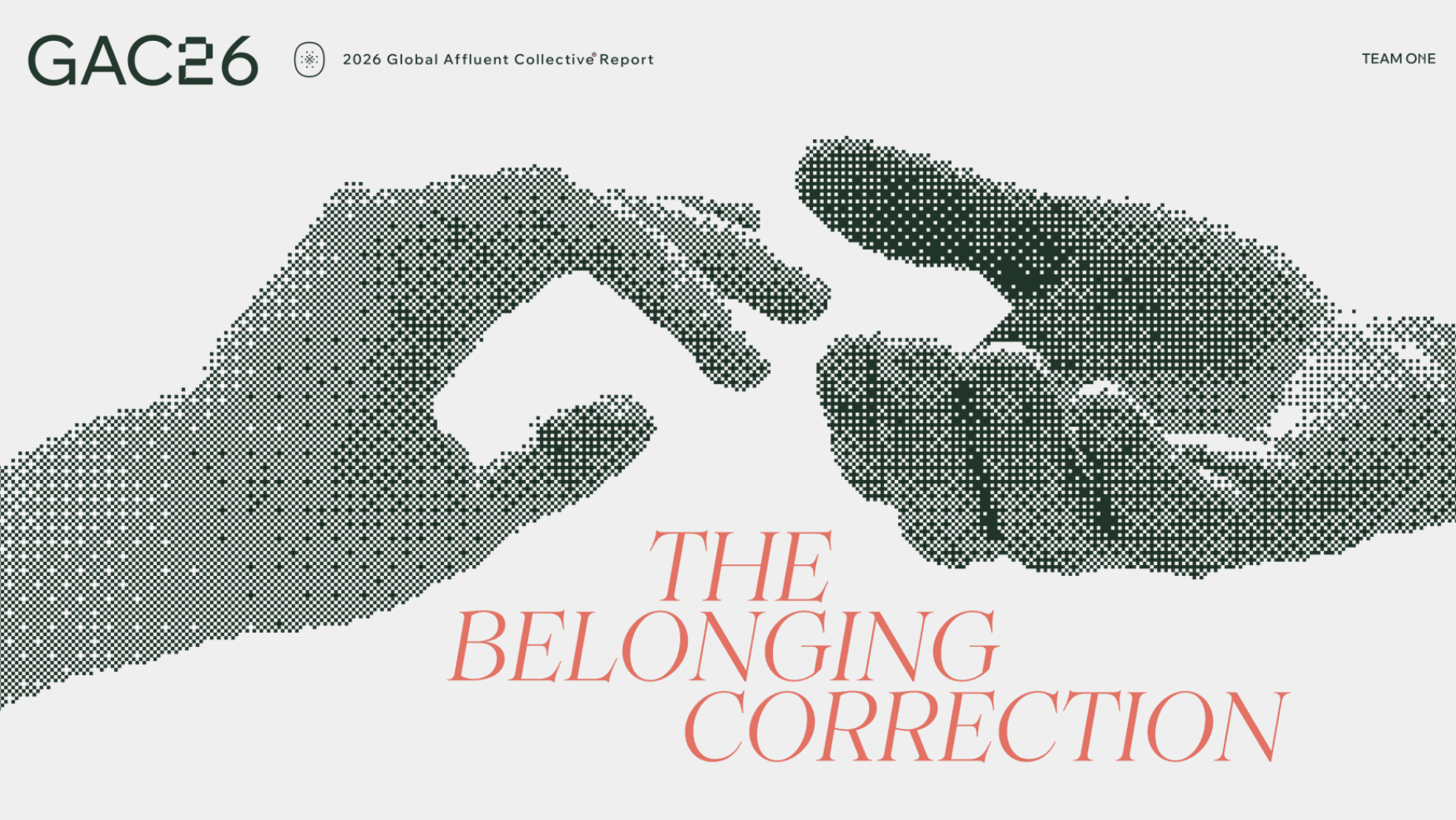
Luxury’s newest scarcity is not access but belonging, and that change is forcing old-money style to do more than look expensive. Team One’s 2026 Global Affluent Collective report, The Belonging Correction, suggests affluent consumers are measuring status less by what they can buy and more by who welcomes them in, who mirrors their taste, and who validates them without spectacle.
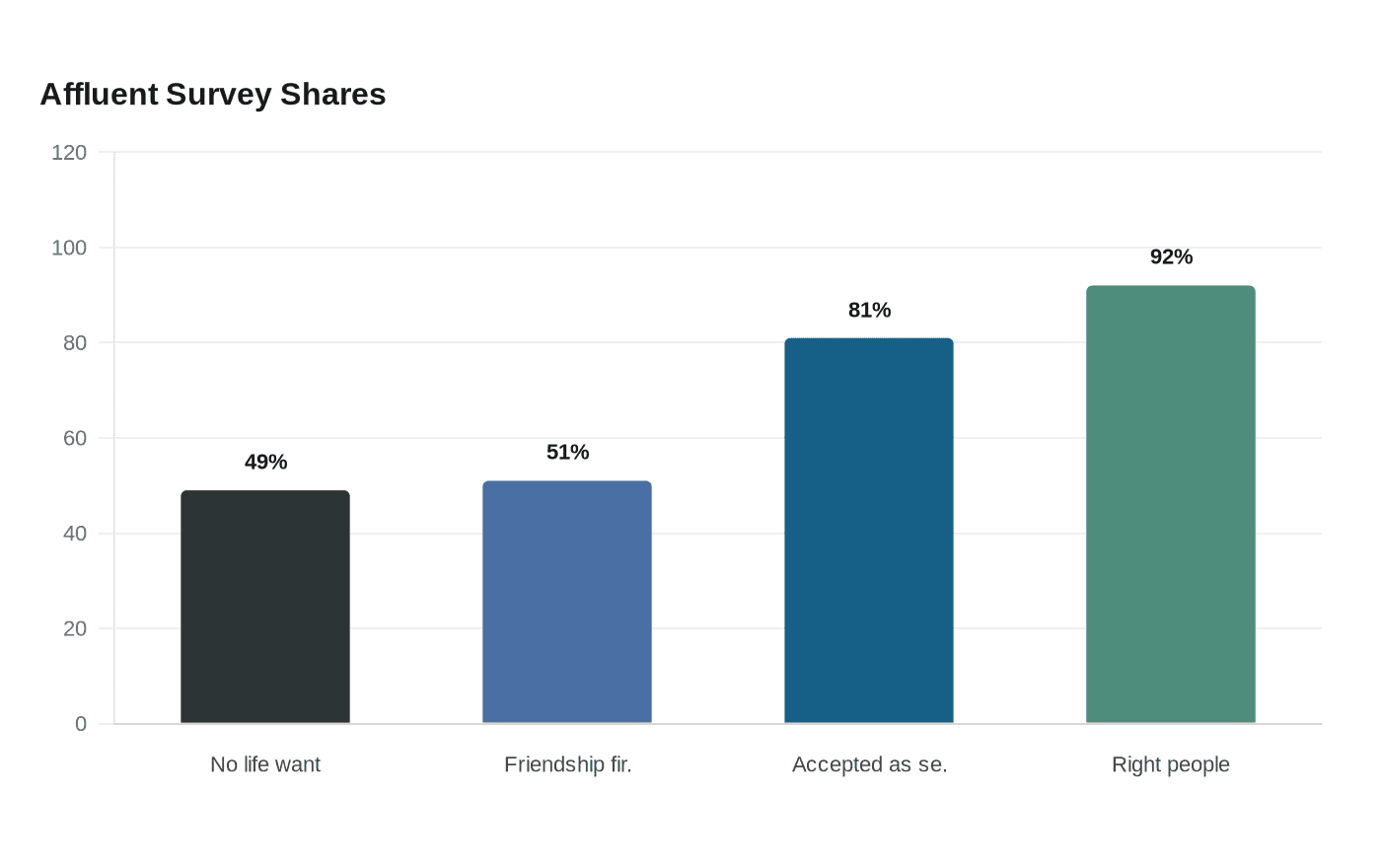
The scale of the shift is hard to ignore. Built on 16 years of proprietary research and a survey of 4,334 respondents across 18 countries, the report finds that 49% of global affluents say they have not built the life they want. Another 51% now prioritize friendship over status, while 81% define social success as being accepted for who they are, not how they are seen. The sharpest number may be the most revealing: 92% seek validation from the right people rather than the most people. That is a direct rebuke to the old luxury playbook, where visibility and volume once did the work of value.
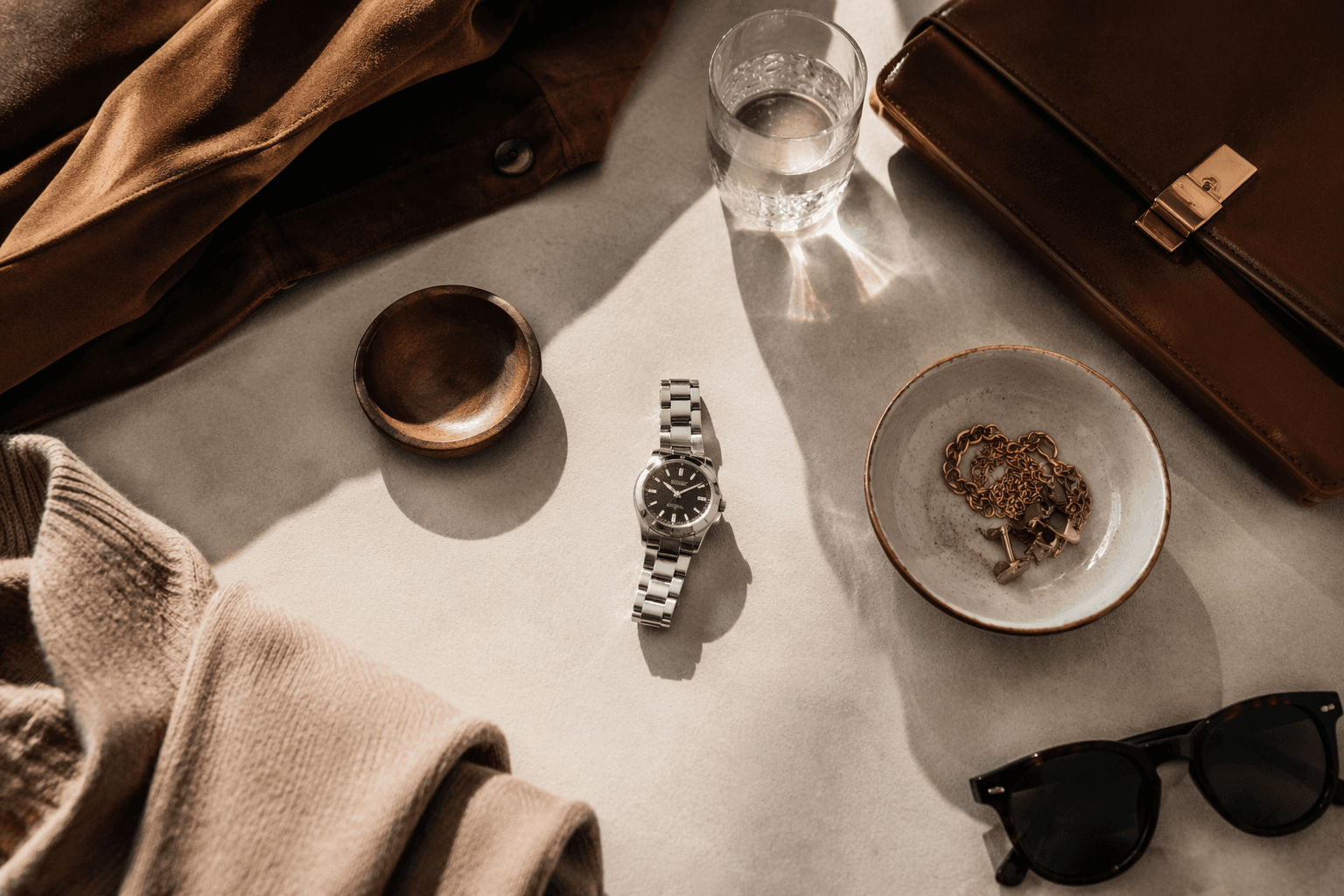
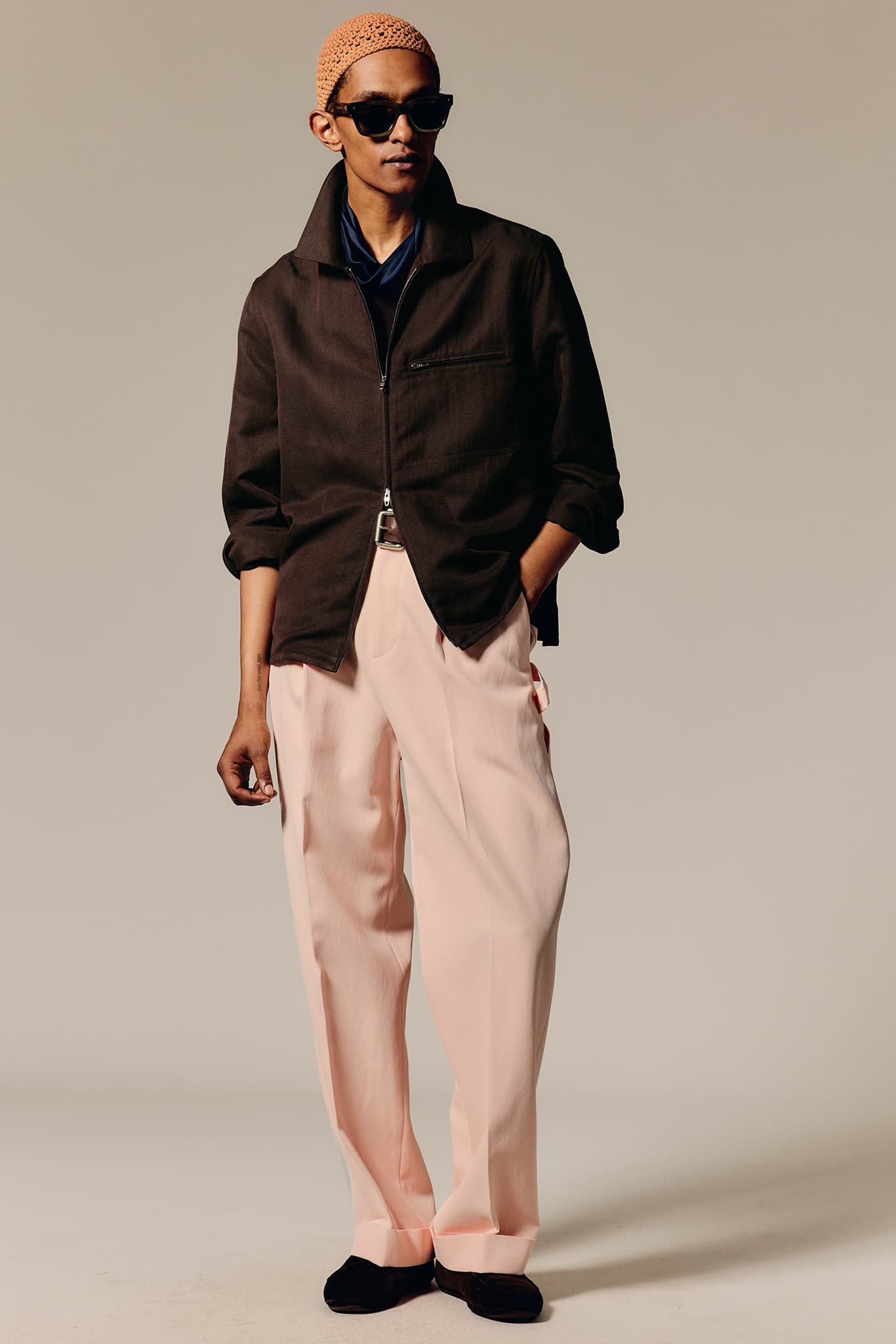
For fashion, especially in the old-money register, the consequence is immediate. The symbols have not disappeared, but they have become harder to read unless you are inside the code. A cashmere coat, a perfect polo collar, a trench cut with discipline, a discreet necklace, these pieces still carry weight, but only when they are worn in circles that understand restraint as a form of fluency. Belonging has become the new status marker, and the strongest wardrobes now signal not just money, but access to the right rooms, the right friendships, and the right references.
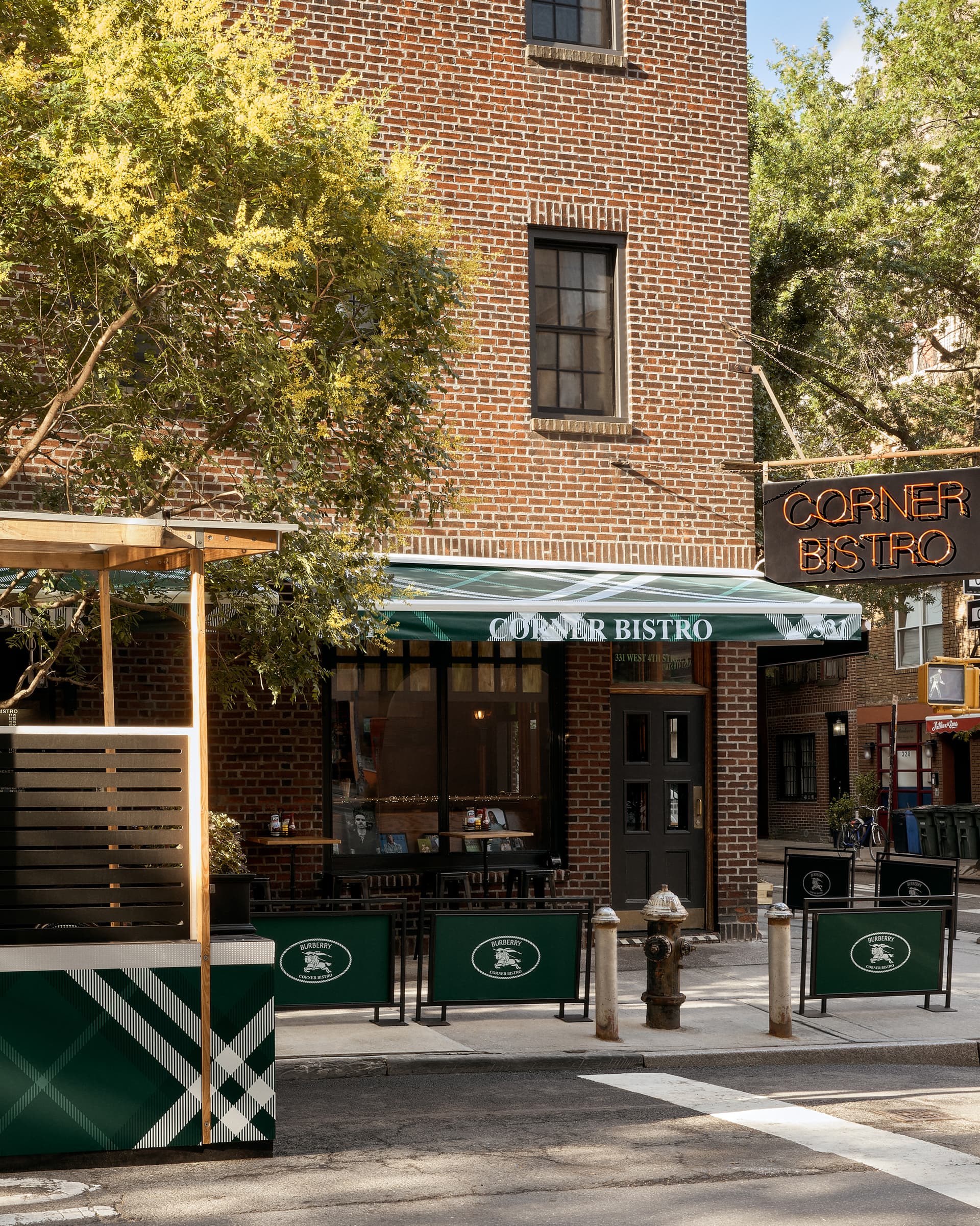
Team One’s chief strategy officer, Mark Miller, argues that brands are still speaking to a version of success their audience has already outgrown. Tahni Candelaria, Team One’s director of cultural anthropology, says luxury houses are being asked to be useful, helping clients sustain trust, navigate context, and build relationships that feel real. That is a telling brief for an industry once built on distance. The new task is to manufacture social proof, through clienteling, private events, collaborations, and membership strategies that make affluent clients feel seen by the right people.
The broader market is moving in the same direction. KPMG’s 2025 Luxury Report says brands are pushing beyond exclusivity toward cultural relevance and meaningful experiences. Bain & Company and Altagamma said global luxury spending was expected to reach €1.44 trillion in 2025, even as consumers increasingly favored experiential indulgence over conspicuous consumption. For old money fashion, that leaves quiet luxury intact, but newly sharpened: the real flex is no longer being noticed by everyone, but recognized by the few who matter.
This article was produced by Prism’s automated news system from verified source data, official records, and press releases, then run through automated quality and moderation checks before publishing. The system is built and supervised by the people who set the standards it runs under. Read our full AI policy.
Know something we missed? Have a correction or additional information?
Submit a Tip