LVMH Shares Fell Most Ever in First Quarter on Luxury Slump
LVMH shares dropped 28% in Q1 2026, worse than the 2008 crash. Here's how to shop the slump before prices quietly reset.
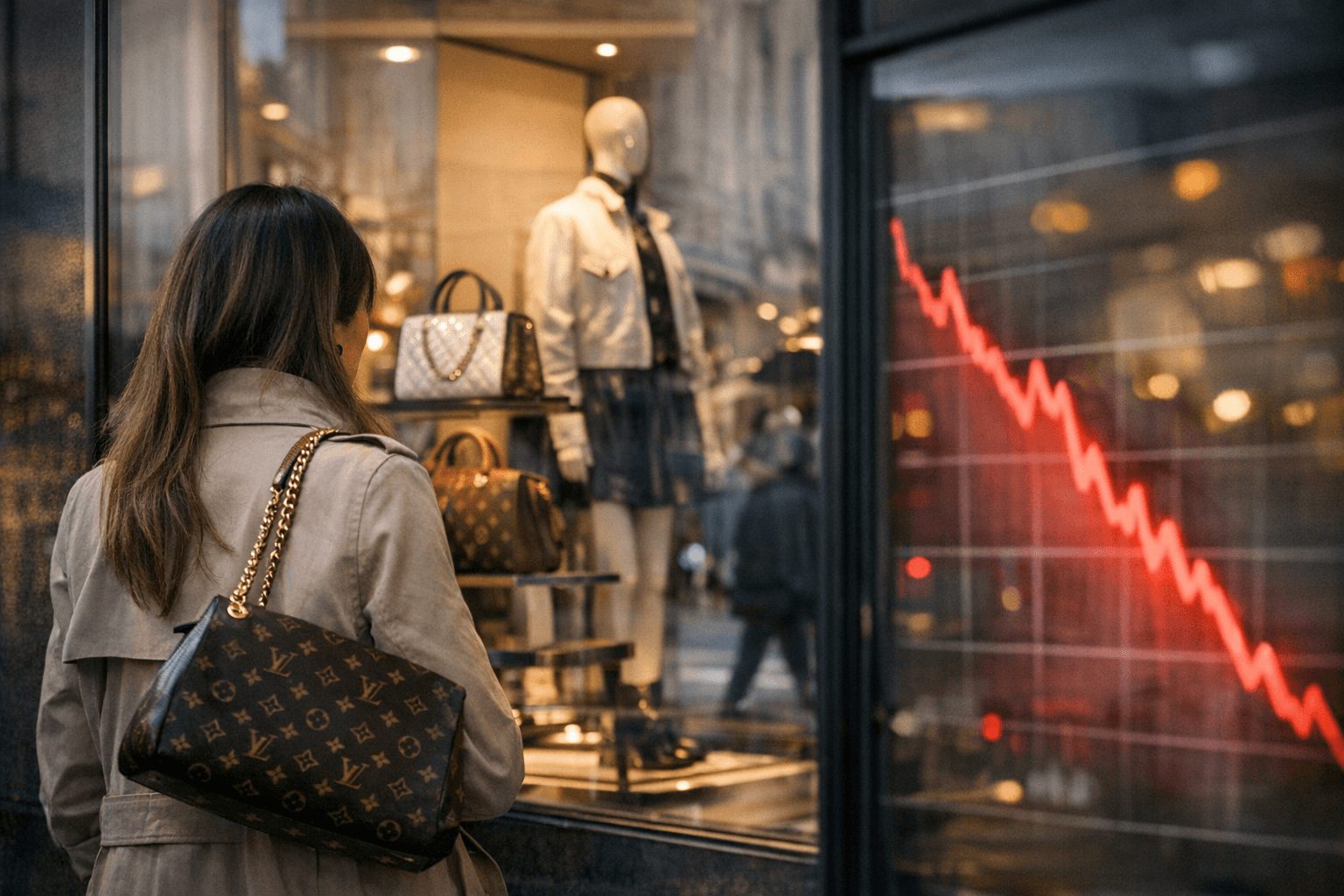
LVMH just posted its worst quarterly start in company history, and the number tells you exactly where to position yourself before the rest of the market catches on.
The stock shed 28% in the first quarter of 2026, the steepest Q1 decline among major European luxury firms and a drop that outpaced even the 2008 financial crisis, the Covid-19 lockdowns, and the dot-com collapse of 2001. Bernard Arnault's personal fortune contracted by $55.4 billion in the process, the largest individual wealth decline recorded anywhere in the world. The group now trades at roughly a 20% discount to its sector peers, and below the 20x forward earnings threshold that analysts have historically treated as a floor.
The proximate cause is the war in the Middle East. The conflict has kneecapped travel and tourism retail, two channels that luxury depends on disproportionately, while stoking the broader demand anxiety that hits aspirational spend first. LVMH's structural exposure here is a real and specific vulnerability: unlike Hermès, which shed a comparatively modest amount in Q1 and drew strength from Cartier-adjacent clientele at Richemont (down roughly 20%), LVMH's portfolio skews toward customers who pull back the moment geopolitical noise gets loud. That's the Neverfull buyer, the Dior Saddle customer, the person stretching for a Celine tote. The truly wealthy don't flinch. The aspirational tier does.
That distinction is where the shopping playbook begins.
Ready-to-wear softens before leather goods in a downturn, almost without exception. Seasonal RTW has a shorter shelf life, carries weaker resale liquidity, and departments clear it faster when floor traffic slows. Leather goods, especially anything in the established monogram or iconic silhouette tier, hold their floor because supply is artificially constrained and secondary market buyers know it. That said, resale premiums on Dior and Louis Vuitton have room to compress right now, because the stock decline signals that even the house itself is under pressure to show momentum, which typically means quieter price-hike cycles ahead.
LVMH executed 8 to 10% back-to-back price increases at Louis Vuitton and Dior during the earlier slowdown years. That cadence is almost certainly slowing. Q4 2025 saw fashion and leather goods organic sales drop 3%, and H1 2025 saw an 8% revenue decline in the division. With a new deputy CEO installed at Dior Couture, a new creative director at Celine (post-Hedi Slimane), and new leadership at Givenchy and Loewe all simultaneously recalibrating brand identity, the environment for aggressive list price increases is politically and commercially difficult.
The concrete move right now: buy pre-owned leather goods in iconic constructions, specifically Louis Vuitton canvas and Dior's structured top-handle silhouettes, before a sector recovery reprices them upward. Resale platforms are still sitting on inventory absorbed at 2024 peak prices; as those sellers accept margin compression to move units, the window for buying under-market tightens. Arnault himself understands the logic: he bought aggressively after the 2008 crisis, and recently embarked on a fresh buying spree in LVMH shares totaling roughly $1.6 billion during this downturn.
Hennessy is a separate problem. The wines and spirits division has posted three consecutive years of negative performance, weighed down by a structural collapse in cognac consumption that tariff negotiations and Middle East disruption have only deepened. That unit is not a fashion buy.
The broader signal from a 28% Q1 decline is not that luxury is broken. It's that the market is temporarily mispricing heritage. The brands that survive every macro storm, Louis Vuitton, Dior, Celine, not because they're immune but because they're infrastructurally embedded in how wealth signals itself, are momentarily accessible. That window historically closes faster than it opens.
Know something we missed? Have a correction or additional information?
Submit a Tip