Old Money Classics, Vintage Ralph Lauren and Prada Lead Resale Boom
Vintage Ralph Lauren, Prada and heirloom lace are driving a quieter resale reset, where restraint and better shape now read as inherited polish.
The resale boom is reshaping what old money looks like
The quickest route to an old-money spring wardrobe is not a monogram. It is a secondhand piece with lineage, a clean silhouette and the kind of restraint that reads as inherited rather than assembled. Boston Consulting Group and Vestiaire Collective estimate the global secondhand fashion and luxury market at $210 billion to $220 billion, with room to reach $360 billion by 2030, growing about 10 percent a year, roughly three times faster than firsthand fashion.
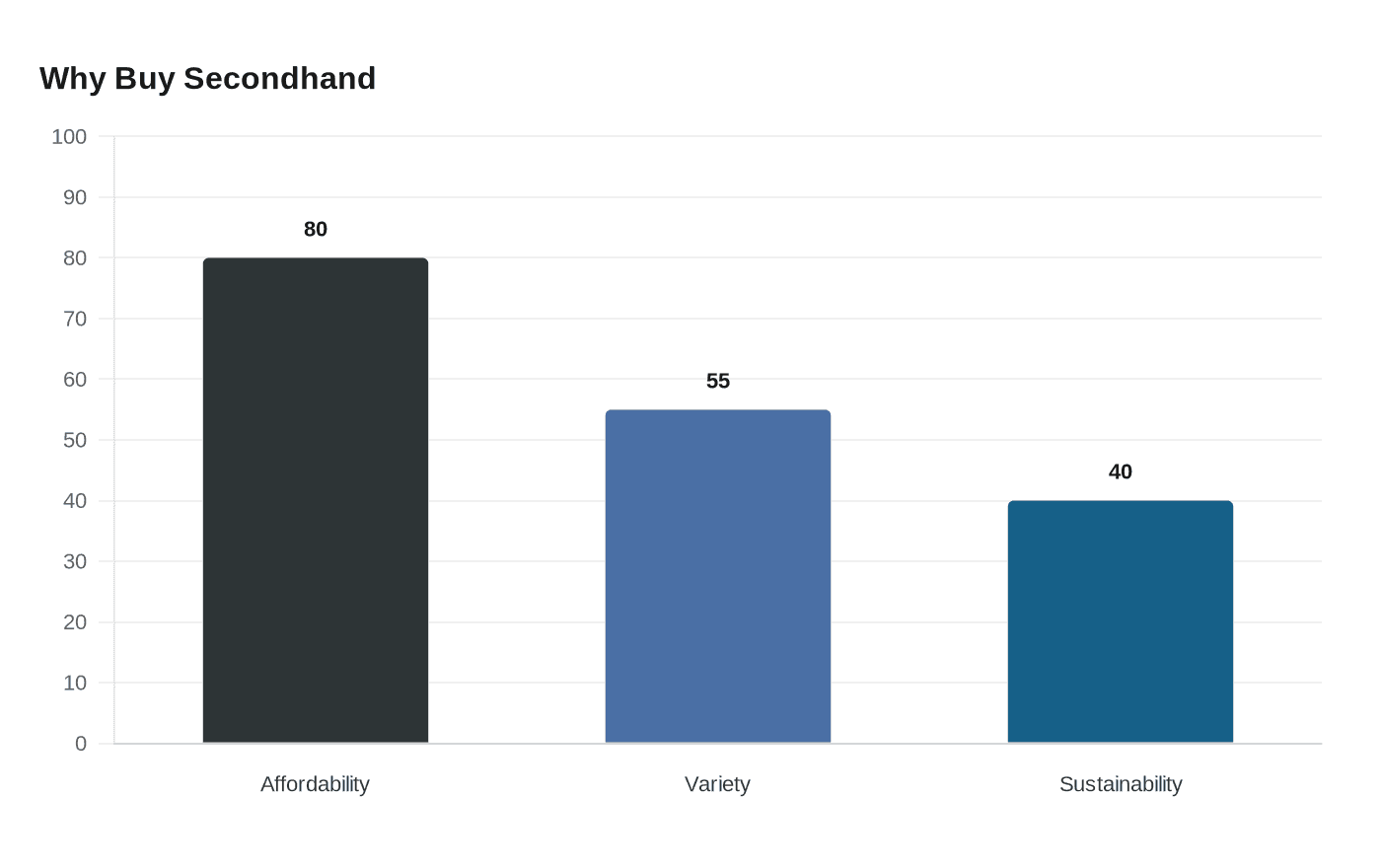
That momentum shows up inside closets, not just in charts. In a 2025 survey of 7,800 Vestiaire Collective users, resale already accounted for 28 percent of wardrobes, including 30 percent of clothing and 40 percent of handbags. Nearly 80 percent named affordability as a top reason to buy secondhand, while roughly 55 percent cited variety and uniqueness, nearly half pointed to the thrill of the hunt, and about 40 percent mentioned sustainability. The message is clear: the smartest vintage wardrobe is not thrift as compromise. It is thrift as strategy.
Ralph Lauren shirting is the anchor piece
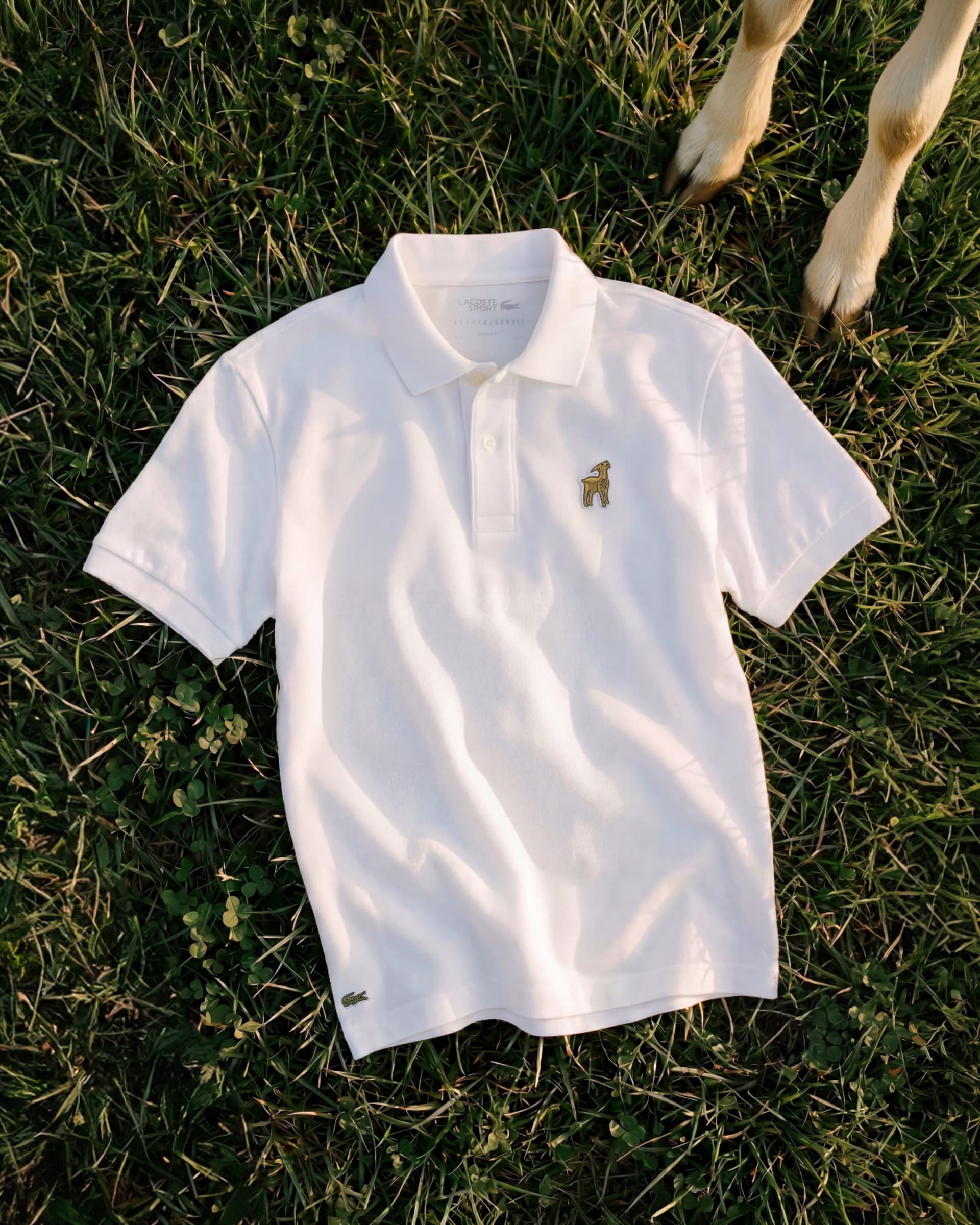
If you buy only one category, make it Ralph Lauren shirting, especially the button-down. The oxford shirt began in a 19th-century Scottish fabric mill, was embraced by late-19th-century English polo players, arrived in the United States in the late 1890s, and by the 1960s had become an emblem of Ivy League style. Ralph Lauren’s first women’s oxford arrived in 1971, which is why his versions still feel so right with pearls, khakis and worn-in denim.
What makes the best vintage examples work is not just the label but the architecture. Look for a collar that rolls softly rather than collapsing, buttons that sit cleanly, and a body with enough ease to tuck without pulling. The most convincing old-money shirt is usually pale blue, white or a washed pink, worn with modern straight-leg trousers or a current jean so it feels lived-in, not costume-like. A good oxford should look as though it has been in service for years, yet still crisp at the seams.
Prada-era shoes give the outfit its shape
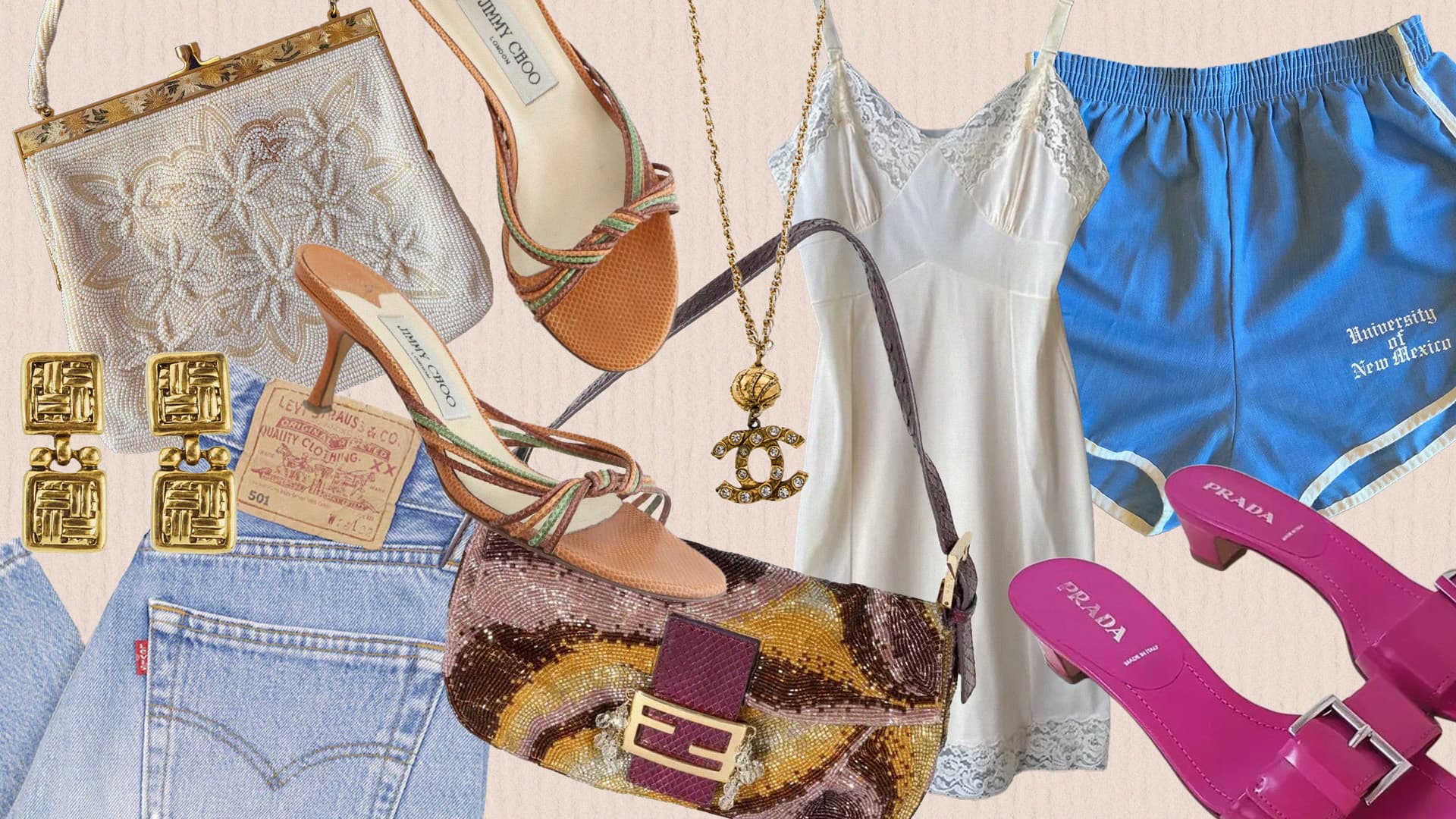
Prada mule sandals matter because shoe shape matters. The wrong heel can drag even an excellent outfit into something too deliberate, too trendy or too precious. A strong vintage mule, especially from a Prada-era silhouette, keeps the line polished and the proportions elegant, which is exactly why it pairs so well with spring’s lighter cottons and trousers.
When you are assessing vintage shoes, the details tell the story. The leather should feel substantial, the heel should be stable, and the overall profile should be refined rather than bulky. A sharply considered toe, a low or moderate heel and a clean upper will do more for the look of wealth than any visible logo ever could. Wear them with a crisp shirt, a slim knit or a simple skirt, and the whole outfit suddenly looks inherited, not assembled.
Edwardian crochet and heirloom tops soften the uniform
The prettiest old-money spring wardrobes always have one softened note, and an Edwardian crochet camisole is a beautiful place to start. The Edwardian era, spanning the reign of Edward VII and Queen Alexandra through the end of the First World War, remains such a potent style reference because it stands for delicacy without fragility. The Royal Collection Trust’s exhibition at The King’s Gallery, Buckingham Palace, brought together more than 300 objects, a reminder of how much visual richness still lives in that period’s lace, crochet and trimmed lingerie shapes.
That is why heirloom-style tops work so well now. They add air to a wardrobe of shirting and tailoring, especially when layered under a blazer, worn with a clean skirt or tucked into tailored shorts. In vintage shopping, examine the crochet for even tension, intact edges and a weight that feels substantial rather than flimsy. The best pieces look tender but not fussy, feminine but not sugary. They give the old-money look its softness without tipping into costume.
Structured handle bags finish the inheritance effect
A structured handle bag is one of the strongest purchases in this entire category because bags have always carried both function and status. A Smithsonian summary of the Victoria and Albert Museum’s Bags: Inside Out exhibition noted more than 300 bags, with examples stretching from a circa-1600 purse to Jane Birkin’s 1984 bag, proof that the language of the handbag has long been about more than utility. It is about poise, ritual and what sits at the edge of the hand.
That history is why a structured vintage bag instantly sharpens spring dressing. Choose one with a firm base, clean corners and handles that hold their shape, then let it do the quiet work of making jeans, shirting and crochet look deliberate. In the right neutral, it becomes the piece that makes the rest of the wardrobe feel collected over time. In a market where resale is already a meaningful share of what people wear, the smartest spring wardrobe now looks less like a haul and more like a legacy.
This article was produced by Prism’s automated news system from verified source data, official records, and press releases, then run through automated quality and moderation checks before publishing. The system is built and supervised by the people who set the standards it runs under. Read our full AI policy.
Did this article answer your question?