Old Money Staples, Wayfarers, Loafers and Leather Bags Endure
Quiet, not precious: the old-money accessories that do the work are the ones with real history, from 1952 Wayfarers to 1936 Weejuns.
The accessories that signal restraint
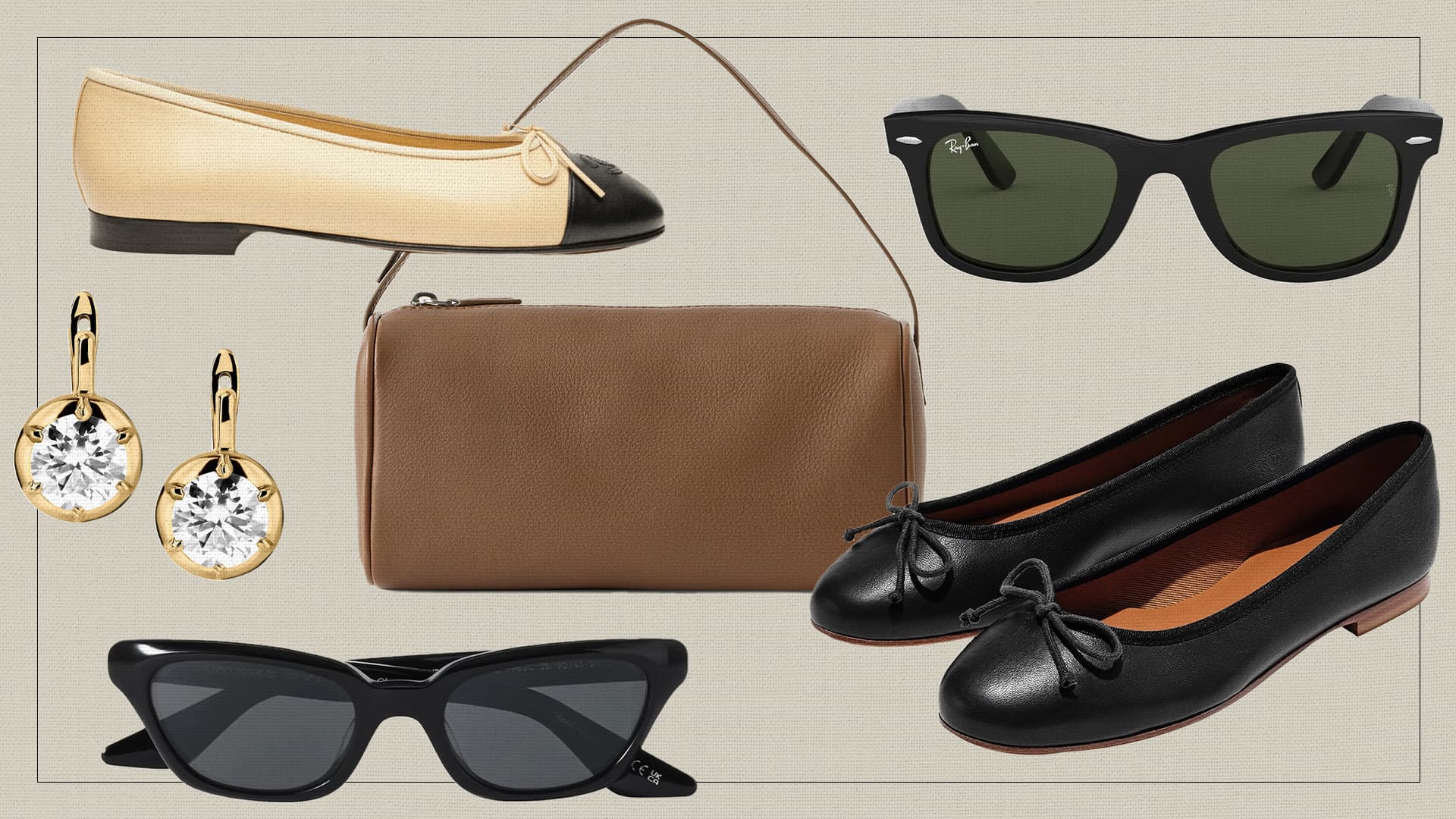
Old-money style is never really about having more. It is about having fewer things that look chosen with a sure hand, which is why the cleanest shortcut is restraint: a quiet palette, polished seams, and shapes with enough pedigree to feel inherited rather than assembled. The cheapest way to look old money is not a monogram. It is accessories that do the heavy lifting without raising their voice.
That is where the classics earn their keep. Ray-Ban’s Wayfarer and G.H. Bass’s Weejuns have survived because they are built on recognizable silhouettes, not novelty. One began with glare-cutting crystal lenses for U.S. pilots in 1930 and became a signature frame in 1952; the other dates to 1936 and still stands for nearly 90 years of American craftsmanship. In a quiet-luxury moment that prizes understatement, those facts matter because history itself becomes part of the styling.
Why these pieces read as inherited style
The old-money signal is not just that an item is expensive. It is that it looks durable, slightly disciplined, and uninterested in announcing itself. That is why logo-light accessories have so much power now: they create polish through proportion, material and shape, not branding.
A good accessory in this register does three things. It keeps the line clean. It holds its structure. It looks like it could live in a wardrobe for years without going out of rotation. A frame with a strong brow, a loafer with a balanced vamp, a belt with a discreet buckle, a leather bag with quiet hardware, each one communicates the same thing: taste that does not need translation.
The first buy: Wayfarers
If one object captures the modern old-money mood in a single glance, it is the Wayfarer. Introduced in 1952, the shape became tied to midcentury cultural icons and later almost vanished in the 1970s before returning in a major 1980s comeback. That rise, fall and revival is part of its charm. A frame that has been through that many style cycles does not look trendy; it looks proven.
The appeal is in the geometry. Wayfarers have that slightly assertive acetate frame that reads polished rather than precious, sturdy without feeling bulky. Daniel Alder called it one of the brand’s most iconic designs since launch, and the line has kept working because the shape is bold enough to register yet restrained enough to disappear into real life. James Dean energy is part of the story, but the larger lesson is simpler: a strong frame line can do more for a face than any logo ever will.
If you are deciding between secondhand and new, Wayfarers are worth hunting both ways. Vintage pairs carry the romance of the frame’s 1950s and 1980s history, especially if you want the exact old-school proportions. Buy new if you want modern lens quality, crisp hinges and a frame that sits cleanly rather than looking worn out before you have done any wearing.
What to look for in sunglasses
- A shape that feels architectural, not decorative
- Thick enough acetate to look deliberate
- Dark, unfussy lenses that keep the frame from reading costume-like
- Clean edges and a fit that sits without fussing
The shoe that makes the whole look
The penny loafer is the other essential piece of this vocabulary, and G.H. Bass’s Weejuns remain the reference point. Introduced in 1936, they are tied to a Norwegian moccasin-style slipper adapted for the American market, which is exactly why they feel so durable as an idea. They carry the ease of a slip-on but the discipline of a dress shoe, and that balance is what makes them work with everything from pressed trousers to cuffed denim.
Weejuns have long been associated with preppy style, but the better reading is more precise: they are a shoe of inherited ease. G.H. Bass describes them as representing nearly 90 years of American craftsmanship, and that longevity shows in the way the silhouette keeps coming back without needing reinvention. The shape is simple, but it is not generic. A proper penny loafer has a low profile, a neat vamp and leather that looks polished rather than shiny.
This is one place where secondhand can be especially rewarding. Older loafers often have the kind of softened upper and settled shape that make them look lived-in in the right way. Buy new if you want the sharpest sole and the most exact fit, but if you find a pair with intact structure and a good line through the toe, the patina can do half the work for you.
The supporting cast: simple belts and leather bags
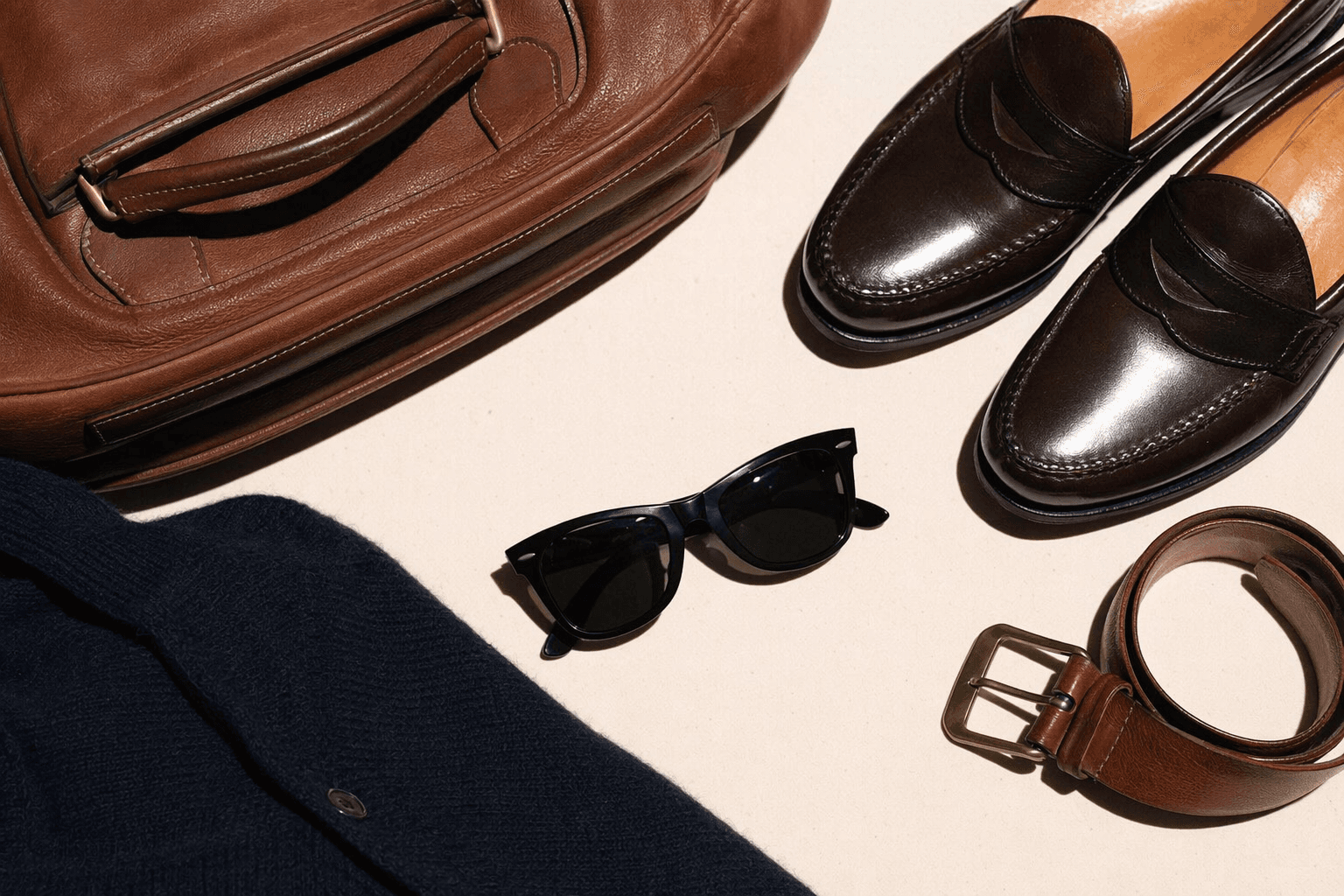
The conversation does not stop at sunglasses and shoes. Simple belts and investment leather bags belong in the same family because they follow the same rules: keep the branding quiet, keep the hardware discreet, and let the material speak. In the old-money register, a belt should not look like a statement. It should look like the natural finishing touch that keeps trousers and proportions in order.
Leather bags work the same way. The most convincing ones are the ones that hold their shape, show thoughtful construction and age with a little grace. The visual cues to prioritize are easy to read: clean seams, minimal hardware, a stable silhouette and leather that looks rich rather than flashy. A bag like that does not shout fashion. It signals that the owner expects it to last.
This is where the distinction between buying new and hunting secondhand becomes useful. Buy new when structure matters most, especially in a bag you will carry every day and a belt that needs to sit correctly through repeated wear. Buy secondhand when the leather already has the right softness and the piece has enough shape left to keep its line. The goal is not pristine perfection. It is a finish that looks settled.
How to build the look without overthinking it
1. Start with sunglasses or shoes, because they create the first impression instantly. Wayfarers frame the face; Weejuns anchor the body.
2. Add a belt with a clean buckle and no visual clutter. This is the quiet bridge between tailoring and everything else.
3. Choose a leather bag that looks structured in the hand and calm from across the room.
4. Keep the palette restrained. Black, brown, tortoiseshell and deep neutral tones do more for this style than anything loud or logo-heavy.
That order works because it builds the wardrobe from the pieces people notice first and use most often. A strong frame, a proper loafer, a sober belt and a serious leather bag create the same impression from every angle: there is no scramble, no trend panic, no need to overdecorate the outfit.
Old-money style endures because it trusts proportion more than novelty. Wayfarers, Weejuns, simple belts and leather bags all belong to the same visual system, one that values longevity, restraint and shape over flash. In 2026, that remains the clearest signal of polish.
This article was produced by Prism’s automated news system from verified source data, official records, and press releases, then run through automated quality and moderation checks before publishing. The system is built and supervised by the people who set the standards it runs under. Read our full AI policy.
Did this article answer your question?