Old Money Layering in 2026: Polished Basics, Refined New Depth
Old money layering is getting sharper, not louder, with knits, shirting, and outerwear doing quiet heavy lifting. The trick is repetition, proportion, and one polished finish.
The new polish is built from things you already own
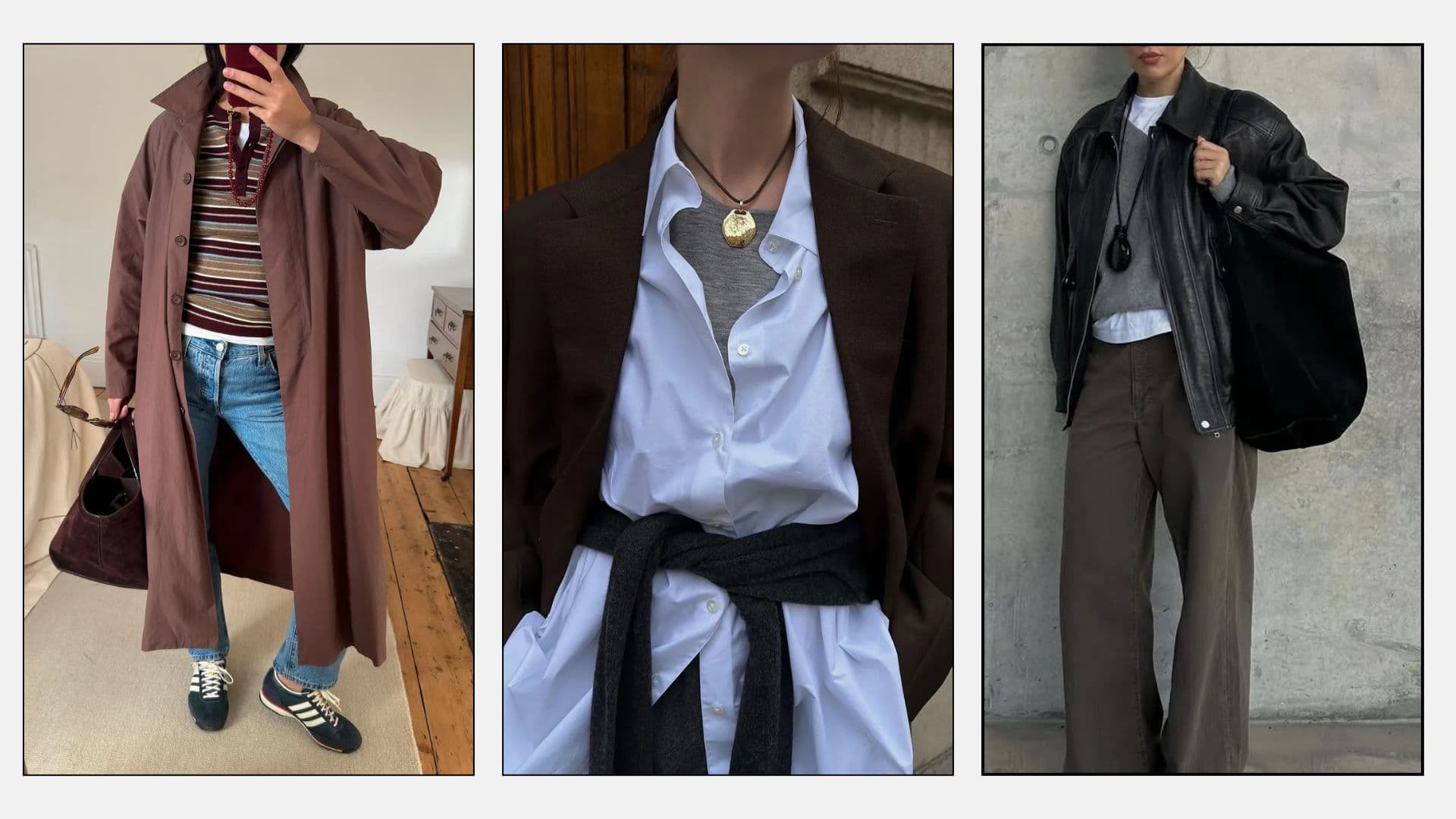
The smartest old-money looks in 2026 are not overloaded. They are edited with a kind of cold-blooded confidence: one knit, one crisp shirt, one tailored trouser, one structured coat, then a belt or sleek shoe to pull the whole thing taut. The point is repetition, not reinvention. Familiar pieces feel richer when the fit is cleaner, the fabrics are better, and the layers actually talk to each other.
That is why this version of old money fashion lands so differently from the hyper-pared-back minimalism that dominated the last few years. The mood is still restrained, still polished, still allergic to noise, but it has more depth now. Instead of stripping everything away, the look adds dimension through texture and proportion, which is exactly why a fine-gauge knit under a shirt or a trench coat over a blazer suddenly looks more considered than a bare-bones uniform ever could.
Why the outfit reads expensive without trying too hard
Quiet luxury has always depended on restraint, but 2026 sharpens it. The best combinations lean on fine-gauge knits, soft wool, and cashmere blends that skim the body instead of fighting it. These fabrics do the work of looking luxurious before you even get to branding, because they hold shape, catch light softly, and avoid the heavy, overbuilt bulk that kills a refined silhouette.
Fit matters just as much as fabric. A cardigan should sit close enough to feel deliberate, a trouser should fall cleanly from the hip, and a jacket should create structure without looking armored. Tonal harmony seals it: cream against oatmeal, navy against charcoal, camel against tobacco. When the palette stays in the same family, every layer looks intentional instead of accidental, and that is what makes the whole thing read quietly expensive.
Proportion is the last piece, and it is where most layering goes wrong. If the shirt is loose, the trouser should be sharp. If the outerwear is strong shouldered, the knit underneath should stay slim. The magic is in the tension between softness and discipline, not in piling on more fabric for the sake of it.
The runway mood shifted from bare to layered
Spring and summer runways made the case plainly: the new polish has depth. Turtlenecks came back as base layers, poplin shirts were stacked instead of worn solo, printed silk scarves started acting like punctuation marks, and belts with high-impact buckles pulled everything into focus. That is a very different message from the stripped-down, almost ascetic minimalism that had been dominating the conversation.
What feels fresh is not the individual item but the styling logic. A turtleneck under shirting adds a quiet intelligence. A scarf over a coat breaks the monotony of solid blocks of color. A belt that actually shows up on the body gives structure to otherwise soft layers. These are small moves, but in old money dressing, small moves are the whole game.
The backbone is classic, not costume
If you want the look to feel current without drifting into dress-up, anchor it in pieces that already belong in the wardrobe. Trench coats, blazers, bombers, cardigans, and silk scarves are the workhorses here, and they are not going anywhere anytime soon. A strong-shouldered blazer makes even a plain tee look smarter. A trench over tailored trousers turns everyday dressing into something with posture. A cardigan under outerwear brings softness without sacrificing shape.
StyleBlueprint also gave brooches new life in 2026, and that matters more than it sounds. Pin one on a denim jacket, a collar, a lapel, or even a waistband, and suddenly the outfit has a focal point that feels personal rather than precious. That is the old-money sweet spot: a detail that signals care, not effort.
How to build the look from core basics
Start with the pieces you already wear and tighten the formula. The goal is not to buy a whole new wardrobe. It is to make the one you have look more disciplined, more layered, and more deliberate.
- Put a fine-gauge knit under a crisp shirt, then finish with tailored trousers and sleek shoes.
- Layer a turtleneck under a blazer, especially in navy, camel, or charcoal, for instant depth.
- Wear a cardigan under a trench coat when the weather turns, keeping the palette tonal.
- Add a printed silk scarf to a plain coat or poplin shirt when the outfit needs movement.
- Use a belt with a strong buckle to define the waist and stop the look from swallowing you.
- Pin on a brooch to a lapel or waistband when the rest of the outfit is deliberately quiet.
The best part is that this approach works across ages and body types because it is built on clean line, not trend chasing. A slim knit under structured outerwear is flattering because it respects the body instead of overpowering it. A monochrome or near-monochrome palette lengthens the silhouette. And when the layers stay close in tone, the eye moves smoothly instead of getting stuck on a messy collision of colors.
Old money style keeps evolving, just more quietly
Old money dressing has always been bigger than one aesthetic box. CNBC has grouped quiet luxury, classic prep, and even mob-wife flash under the same broader umbrella, tying the look to the post-Covid K-shaped recovery and a widening wealth divide. That is part of why the style keeps resurfacing: it reflects a world where polish signals access, but understatement still reads as the most persuasive flex.
The fascination only got louder in 2023, when the rise of quiet luxury was amplified by cultural attention around Succession and a wider appetite for stealth wealth. That context still matters now, because 2026 layering is not a rejection of that mood. It is the next, more polished version of it. The clothes are familiar, the styling is smarter, and the message is clear: old money looks best when it makes the basics work harder, not when it tries to become something new.
This article was produced by Prism’s automated news system from verified source data, official records, and press releases, then run through automated quality and moderation checks before publishing. The system is built and supervised by the people who set the standards it runs under. Read our full AI policy.
Did this article answer your question?