Paris breakfast at Hôtel de Crillon signals luxury’s next chapter
At Hôtel de Crillon, LVMH, Kering, Cartier and more mapped luxury’s next move from the most polished room in Paris. The guest list was the message.
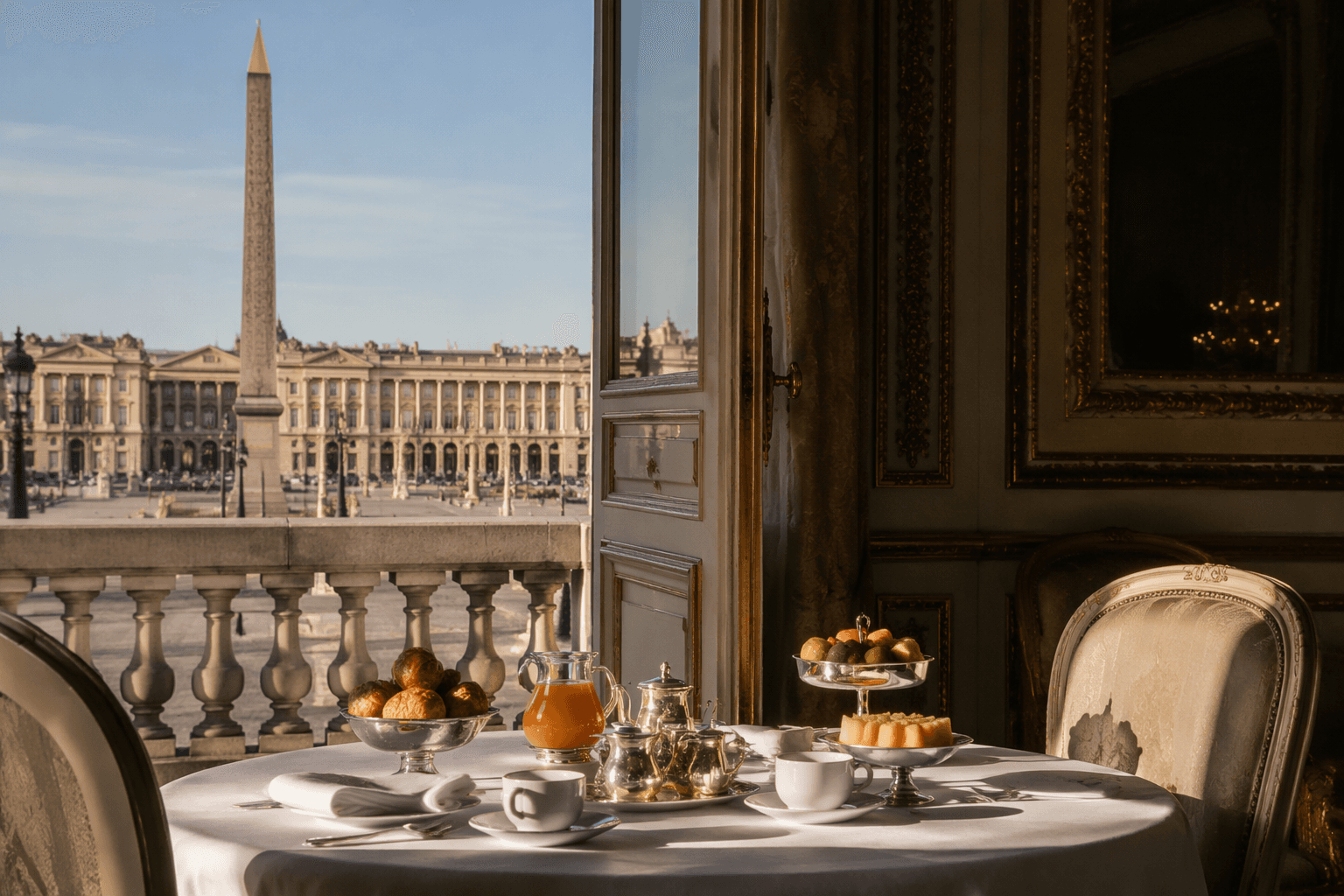
The breakfast at Hôtel de Crillon was less a meal than a map: LVMH, Puig, Cartier, Balmain, Kering, Alaïa and other executives crowded into one of Paris’s most polished old-money rooms to show where heritage luxury is concentrating next. Held against the backdrop of Haute Couture week, the setting did half the storytelling before anyone started talking strategy. This was not a hype moment. It was a status signal, and it was aimed squarely at the people deciding who gets to define luxury after the slowdown.
The guest list was the story
When a room pulls in names like LVMH, Puig, Cartier, Balmain, Kering and Alaïa, you are not looking at a casual brand breakfast. You are looking at the center of gravity, the kind of closed-door gathering where the industry’s senior operators size each other up while pretending it is all just conversation over coffee. That is exactly why the event matters for old-money fashion: this world is built on access, and access is the real currency.
The mix of executives also matters because it cuts across the usual luxury silos. The big conglomerate names sit beside houses that trade on craft, heritage and prestige, which is where the conversation shifts from product chatter to power. In old-money terms, this is the difference between wearing wealth and controlling the room that sells it.
Crillon is not just a backdrop
The Hôtel de Crillon makes a very specific kind of statement. Rosewood describes it as the historic Palace on Place de la Concorde in Paris, and it was awarded the Palace distinction again in 2025. That is not decorative trivia. That is the architecture of prestige, and it gives the breakfast the kind of setting luxury insiders recognize instantly.
Place matters in old-money fashion because it always has. A Palace hotel in the center of Paris carries the same coded authority as a quiet townhouse boutique, a private salon, or a flagship with the right bones and the right doorman. At the Crillon, the address itself tells you the room is about hierarchy, taste and long-term positioning, not quick hits or trend-chasing.
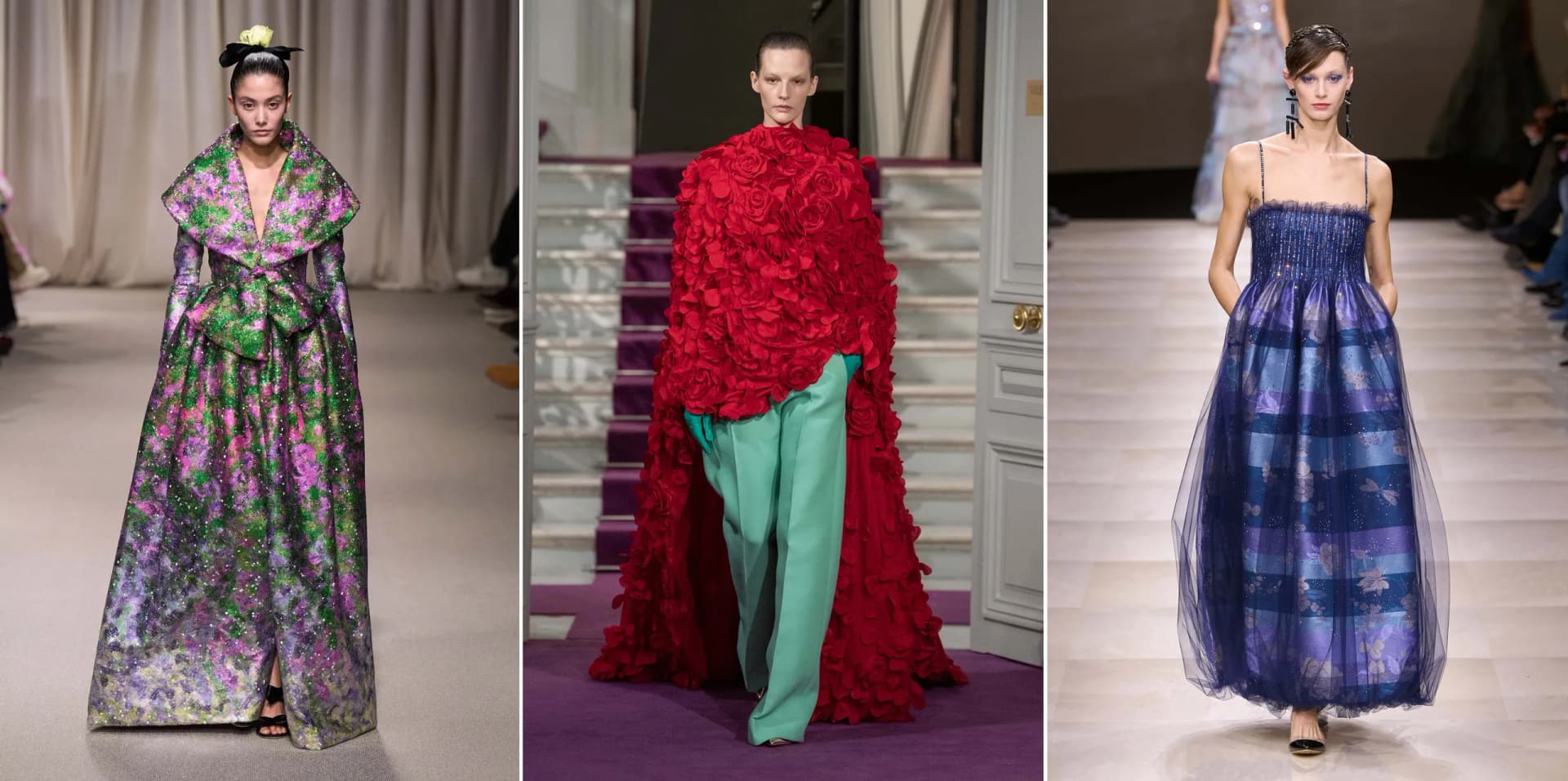
The choice of venue also folds the event into Paris’s couture calendar, which is when the city’s luxury hierarchy becomes most visible. During Haute Couture week, every room like this gets sharper edges. Who is invited, where they sit and which institutions host them become part of the industry’s reading list.
What the market is whispering behind the coffee cups
BoF has been framing luxury as a sector being reshaped by rapid change in Europe and beyond, and its Face to Face With Luxury Clients report makes the pressure point plain. Luxury is gradually returning to growth after a prolonged slowdown, with the US and China leading the way. That report is built on a survey of more than 2,000 clients and dozens of interviews across both markets, which is a reminder that the recovery is broad, but uneven.
That context explains why a breakfast in Paris can feel heavier than a whole season of vague runway optimism. If demand is coming back in pieces, brands cannot just rely on legacy and assume the old customer will keep showing up. They need sharper flagship strategy, tighter private-client growth, more disciplined consolidation and a cleaner sense of prestige positioning.

This is also where the conversation around acquisitions and portfolio management stops sounding abstract. For groups like LVMH and Kering, the market is watching how they balance scale with desirability, how they keep their houses distinct, and how they decide where to buy, hold or push. Those are the questions that decide whether a conglomerate looks authoritative or overextended.
Which houses look best placed to shape the inner circle
The houses best positioned to shape luxury’s next inner circle are the ones that can do two things at once: stay culturally relevant at the flagship level and deepen their private-client relationships without cheapening the brand. That is a hard balance, and it is exactly why the presence of both conglomerates and heritage houses in the same room matters.
LVMH and Kering remain the obvious power poles because they sit at the center of consolidation and portfolio strategy. Cartier and Alaïa carry a different kind of force, the kind that reads as quiet authority rather than loud arrival. Puig belongs in the conversation too, because its presence signals how luxury is increasingly thinking across categories and client touchpoints, not just through one product lane.
For old-money fashion, the lesson is not about minimalism or any of the overworked shorthand that usually gets slapped onto this territory. It is about where power gathers, who gets invited inside and which addresses still confer legitimacy. At the Crillon, in the middle of Haute Couture week, luxury looked less like a trend cycle and more like a private map of who gets to own the next chapter.
This article was produced by Prism’s automated news system from verified source data, official records, and press releases, then run through automated quality and moderation checks before publishing. The system is built and supervised by the people who set the standards it runs under. Read our full AI policy.
Did this article answer your question?