Paris Fashion Week buyers favor knitwear, tailoring, and longevity
Paris buyers are rewarding clothes that look expensive long after the moment passes. Cashmere, sharp tailoring, and grounded polish are leading the post-logo turn.

Cashmere knits, off-kilter tailoring, and sequins grounded by flat boots set the tone in Paris. Buyers came away with a clear answer: spend on clothes that endure, not clothes that announce themselves. Knitwear, tailoring, and longevity emerged as the strongest commercial signals from the fall 2026 shows.
What buyers were really rewarding
The clearest takeaway from Paris is that luxury is being judged less by flash and more by staying power. The Business of Fashion’s March 13, 2026 Top 10 shows recap centered the season on the market’s response to clothes that can move beyond a single front row moment. The latest State of Fashion research from The Business of Fashion draws on more than 2,000 clients and dozens of interviews, and it points to a customer base that still wants emotional connection even as preferences split by region and taste.
Buyers are not rejecting desirability; they are insisting on something harder to fake: pieces that justify luxury spending over time.
The runway evidence behind the shift
Toteme gave the clearest signal. In its January 29, 2026 Fall 2026 show in Paris, creative director Elin Kling leaned into soft reassurance through cashmere knits and a small-scale presentation. It was controlled polish, not novelty for novelty’s sake, that looks easy to wear, easy to repeat, and easy to keep.
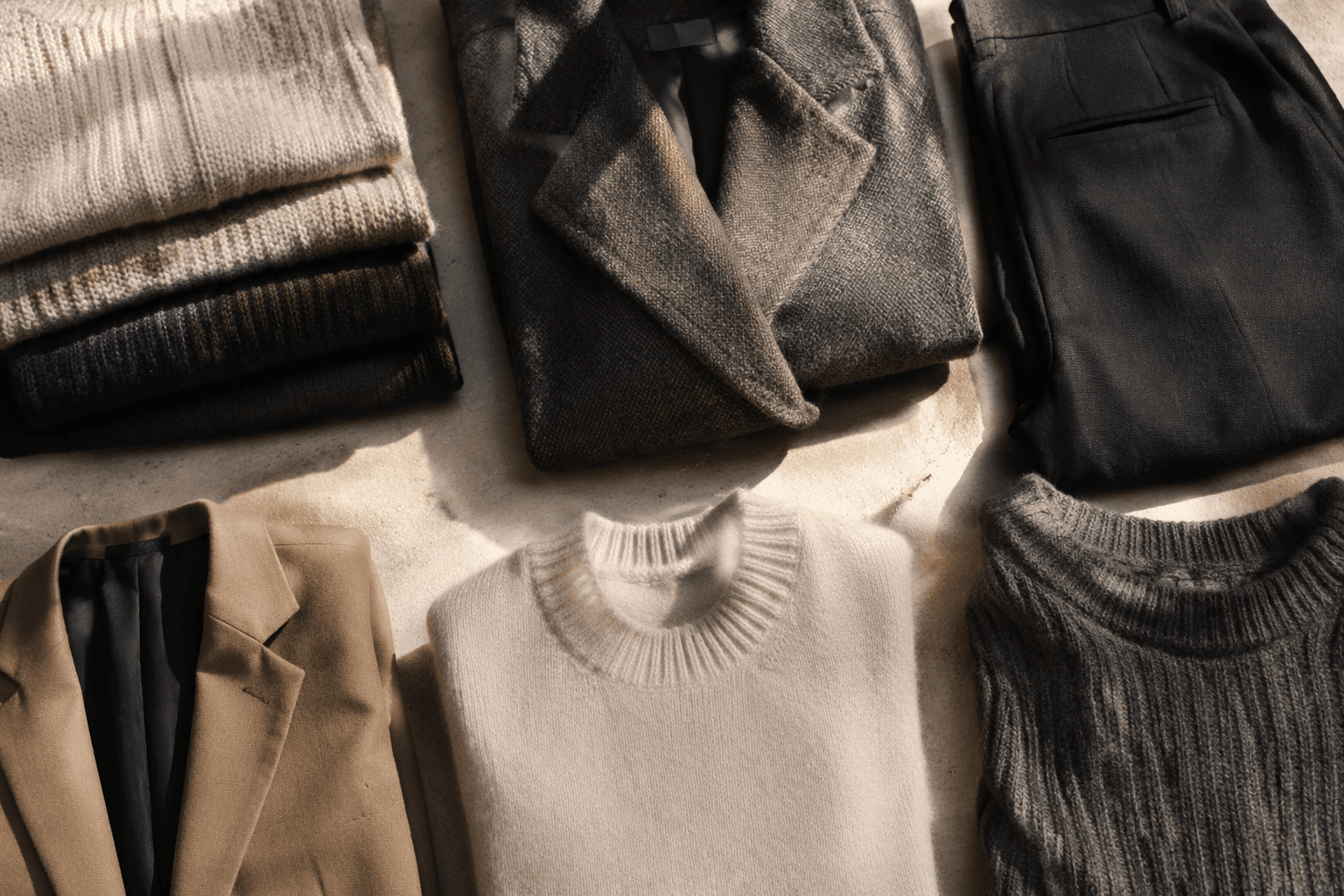
Patou pushed the same logic in a different register, placing denim and knits on equal footing beside pretty lady looks and dramatic gowns. The blend keeps the wardrobe grounded while still offering a little theatre. Buyers can translate that directly: a knit with weight, a denim piece with refinement, or a dress that feels special without becoming precious.
Torishéju brought sharper edges, but still stayed inside the commercial lane. Its compact fall collection hinged on off-kilter tailoring and dense details, the sort of clothes that look considered rather than decorative. Even when the silhouette tilts, the value proposition stays intact because the construction does the work.
Matières Fécales took the idea of polish and turned it into social commentary, with Hannah Rose Dalton and Steven Raj Bhaskaran offering a view of the elite wrapped in terrific tailoring. Buyers are willing to back tailoring that carries attitude, but still lands as wardrobe currency.
Niccolò Pasqualetti added another useful note. Its sequined looks were grounded with flat boots or brogues, keeping shine from tipping into costume. That makes evening pieces feel usable beyond a one-off event, exactly the kind of longevity buyers want when they are scrutinizing high-ticket spend.
The houses that convert best in a post-logo market
The names that keep surfacing are not the loudest ones. They are the houses that understand how to make fabric, cut, and proportion do the selling.
Toteme
Elin Kling’s strength is restraint with texture. Cashmere knits and soft tailoring are already speaking the language of the affluent wardrobe: layered, tactile, and built to move through more than one season.
Patou
Patou’s equal treatment of denim and knits beside dressier looks gives buyers range without dilution. That balance offers recognizable wardrobe pieces while still preserving a fashion point of view.
Torishéju
Sharp, off-kilter tailoring is the kind of proposition that can convert when shoppers want something distinctive but not disposable. Dense details give the clothes depth, lifting tailoring out of the purely practical.
Matières Fécales
Dalton and Raj Bhaskaran’s tailoring lands because it carries status without resorting to logo language. The elite reference is there, but the clothes do the talking through cut and finish.
Niccolò Pasqualetti
Sequins are usually where polish can go wrong, but grounding them with flat boots or brogues keeps the look from collapsing into fantasy. That styling makes the category easier to imagine, and easier to buy.
This article was produced by Prism’s automated news system from verified source data, official records, and press releases, then run through automated quality and moderation checks before publishing. The system is built and supervised by the people who set the standards it runs under. Read our full AI policy.
Did this article answer your question?


