Polo Ralph Lauren vintage pieces drive a nostalgic prep revival
Vintage Polo Ralph Lauren is being recast as cultural capital, and resale is ranking archive pieces as the new old money.

Vintage Polo Ralph Lauren is being recast as cultural capital, and the resale market is doing the ranking in real time. A worn rugby, a 1990s hunting vest, or a CP-92 Maritime piece now reads less like leftover prep and more like proof of lineage, the kind of clothing that signals access through age, not novelty.
The archive has become the dress code
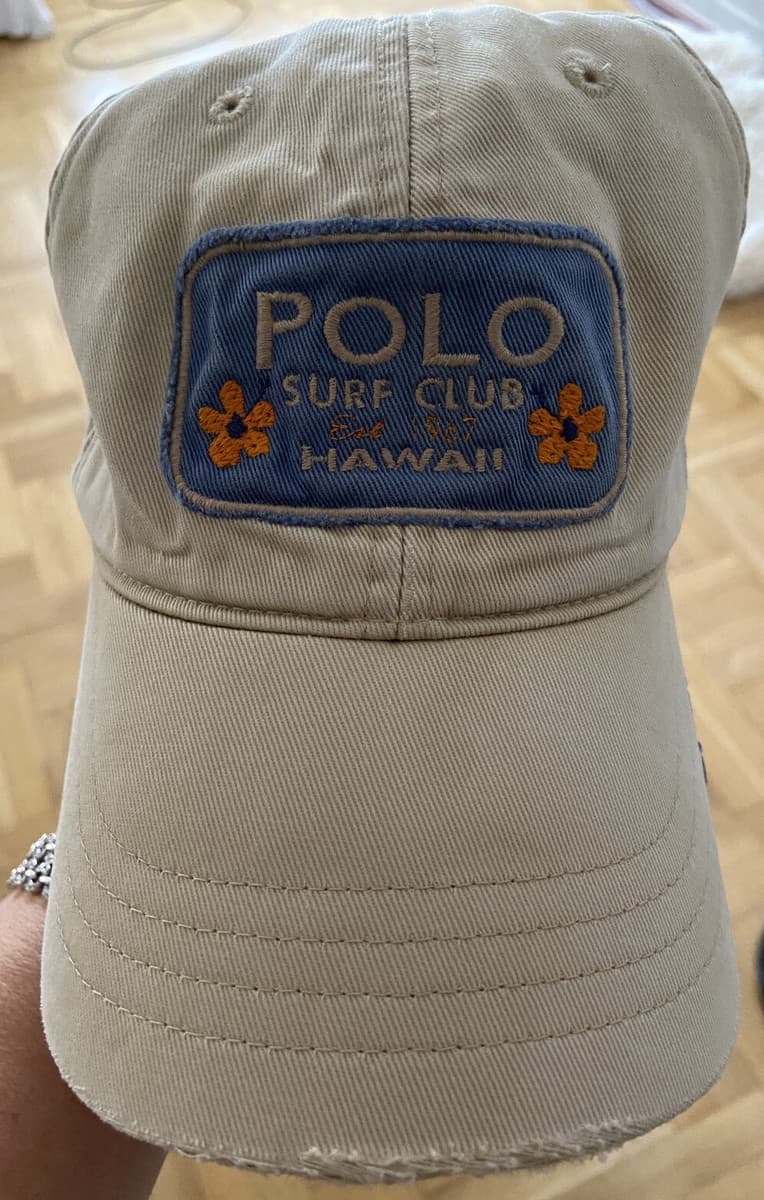
Ralph Lauren has met that appetite with an official Vintage program of its own, turning the archive into a curated marketplace instead of leaving it entirely to the secondary market. The program spans labels and capsules with names that already carry their own scene-setting charge, including CP-92 Maritime, Polo Surf Club, Polo Country, and Polo Sport, and the product pages trace some pieces back to 1979, 1984, 1992, and 1994.
That dating matters because Ralph Lauren’s corporate timeline places the Polo shirt at 1972, the same year the brand says its runway collection first debuted. The result is a house that can point to a continuous line from its most recognizable staple to the vintage object now being hunted by a younger customer who wants heritage with receipts. On Ralph Lauren’s own framing, these are clothes that "get better with age," a phrase that captures both the emotional pull and the commercial logic of the category.
Which pieces are carrying the revival
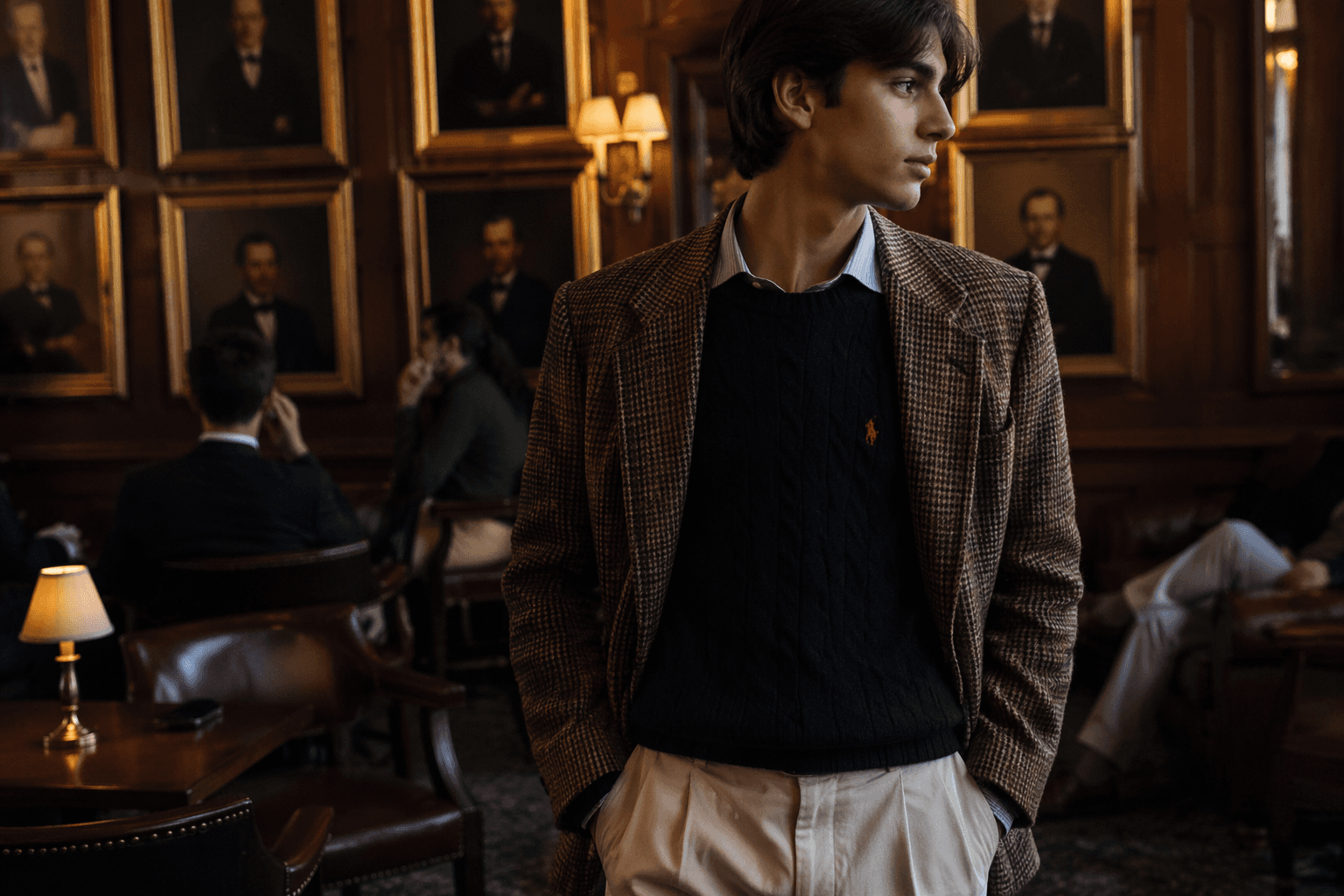
The pieces moving fastest are the ones that make the archive legible at a glance. CP-92 Maritime and Polo Sport carry the graphic punch of sportwear and sailing codes, Polo Country pushes into fieldwear and equestrian territory, and Polo Surf Club taps the sun-faded, clubby polish that has always helped Ralph Lauren feel more aspirational than merely casual.
A 1990s Polo hunting vest says the same thing in a different register: practical, slightly aristocratic, and unmistakably rooted in a specific moment of American dress. That is why the current Polo moment feels more precise than a broad prep revival. It is not just about striped shirts and khaki trousers, but about objects with provenance, patina, and enough scarcity to make the wearer seem initiated rather than fashionable.
The emotional pull is easy to see in the secondary market. A vintage Polo piece does not merely reference old money style, it behaves like old money goods tend to behave: it survives, it circulates quietly, and when it comes back into view, it carries the authority of having already lived a life.
China has turned Polo into collector language
The revival is not limited to New York closets or American archive racks. In China, vintage Polo has become a collector category in its own right, with dedicated vintage stores reselling the brand to shoppers who treat it as a shorthand for aspirational polish. One Shanghai shop co-owner described Ralph Lauren as clothing with an American Dream feel, which explains why the label reads so cleanly across borders: it sells an idea of U.S. affluence that feels structured, inherited, and slightly out of reach.
Xiao Neng, a collector in China, said he has spent at least $1 million on Ralph Lauren clothing over four to five years. That level of spending turns a nostalgia trend into a market signal, because it shows that Polo’s vintage appeal is not merely sentimental. It is competitive, with collectors treating the archive the way others treat watches, handbags, or art objects: as a portable form of status that is harder to buy new than it is to recognize once you know the codes.
The business behind the nostalgia
The numbers behind the comeback are as important as the aesthetics. Ralph Lauren said fiscal 2026 fourth-quarter revenue rose 17 percent on a reported basis, while full-year revenue rose 15 percent, showing that the broader brand turnaround is still gathering force. Vintage and resale do not explain all of that growth, but they help clarify how a heritage label can keep itself relevant without abandoning the signature that made it famous.
One 2025 analysis estimated that Ralph Lauren’s resale and vintage business could generate about $500 million a year, or roughly 7 percent of total revenue. That figure was an estimate, not a company disclosure, but it suggests why the brand has reason to keep feeding the archive machine. In an era when many luxury labels chase heat through reinvention, Ralph Lauren is extracting value by making its own past feel newly exclusive.
This is not the first time the house has done it. Ralph Lauren reissued the Polo Stadium line in 2017, and it launched a Fall 2025 Heritage Icons campaign, both signs that the brand has long understood how to repackage memory without flattening it. The current cycle simply sharpens the formula: let the archive supply the aura, let resale certify the scarcity, and let the customer do the rest.
This article was produced by Prism’s automated news system from verified source data, official records, and press releases, then run through automated quality and moderation checks before publishing. The system is built and supervised by the people who set the standards it runs under. Read our full AI policy.
Did this article answer your question?


