Quiet luxury moves mainstream at Paris Fashion Week
Paris Fashion Week is turning quiet luxury into a mass-market language, as Balenciaga, Balmain and Coperni test how far restraint can travel before rarity fades.

The first official Paris Fashion Week schedule arrived in 1973, overseen by Eleanor Lambert and Gérald Van der Kemp. The city has turned fashion into theater with status attached not just to clothes, but to access, setting and timing. That logic still drives quiet luxury now: the look promises discretion, but the business behind it is becoming far louder.
The old codes are back, but they are no longer exclusive
Quiet luxury was never a brand-new invention. Lisa Birnbach’s *The Official Preppy Handbook*, published in 1980, codified the Ivy League shorthand that still animates old-money dressing, while Ralph Lauren turned that vocabulary into an aspirational uniform through the 1980s and 1990s. The appeal was never merely a beige sweater or a navy blazer. It was the social context around them: inherited ease, private clubs, old campuses, and the sense that clothes were the least interesting thing about the person wearing them.
Paris gives that language a contemporary stage. That first season included the 1973 Battle of Versailles on Nov. 30, 1973, a fundraiser tied to the renovation of the Palace of Versailles. Today’s quiet-luxury collections borrow the same codes of polish and reserve, but they are operating in a much broader market, where the symbols of privilege are easier to copy and faster to sell.
Why the category is moving mainstream
The commercial reason is simple: the luxury market needs a new script. Bain & Company’s 2024 luxury study found the global personal luxury goods market dipped in 2024 and needed reinvention for future growth, and Bain later forecast the market would stabilize in 2025 at €358 billion. In that climate, restraint, craftsmanship and longevity are not just aesthetic talking points. They are positioning tools, especially for accessible luxury brands looking to borrow the authority of the elite without the visual noise of overt status dressing.
That is why the quiet-luxury vocabulary keeps spreading beyond the usual suspects. Balenciaga Resort 2024 offered a variant of quiet luxury loaded with swagger and underground cool. Demna’s Balenciaga does not read as old-school modesty so much as a sharper, more self-aware code: pared-back on the surface, but still charged with attitude. Olivier Rousteing pushed in the opposite direction at Balmain men’s fall 2024, saying, “It’s luxury, but it’s definitely not quiet.”
Which labels are borrowing elite-house codes
The clearest evidence of demand comes from wholesale. A Joor survey covering 15 luxury brands saw orders rise 6 percent in number and 22 percent in wholesale transaction volume in 2023 versus the prior year. They show buyers responding to a market that prizes understatement, clean lines and recognizable refinement over logo-heavy spectacle.
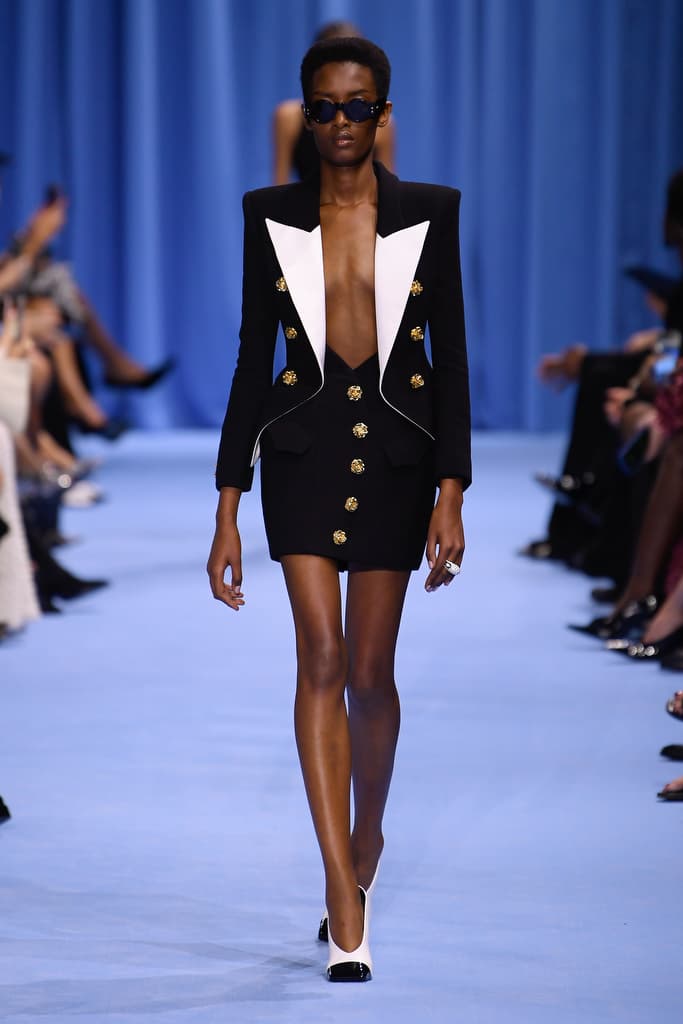
Among the brands in that survey, The Row has long been shorthand for extreme polish without obvious branding. Lemaire brings sculptural restraint. John Lobb and Valextra signal heritage and leatherwork. Sease and Johnstons of Elgin speak to fabric and finish, the kind of labels that persuade through touch as much as through silhouette.
What still reads as genuine luxury
The market is saturated with brands talking about understatement, but the details that still carry weight are difficult to fake. Fine tailoring, disciplined silhouettes, and materials that fall cleanly on the body are still the difference between a look that whispers and one that merely apologizes.
The city is still where brands try to convert quietness into authority, and authority into commercial momentum. When a show lands there, the message is not only about a garment’s restraint. It is also about proximity to a tradition that includes Versailles, couture theater and a century of fashion mythmaking.
Where dilution begins
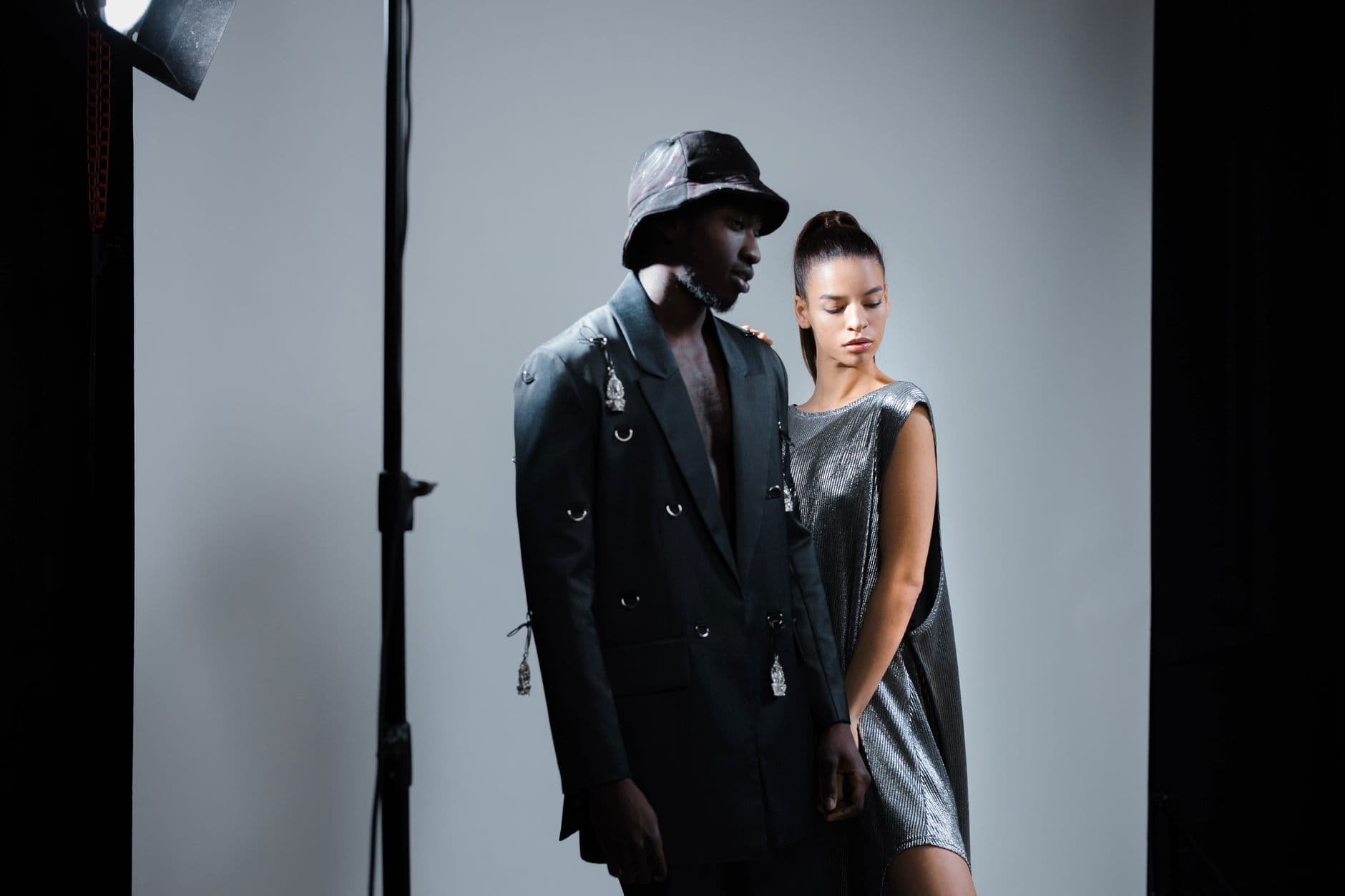
The risk is that once every brand adopts the language of quiet luxury, the category loses the social friction that made it feel rare. If everyone claims the same uncluttered palette, the same soft-spoken tailoring and the same craft narrative, exclusivity shifts from style to context. At that point, what distinguishes true luxury is not the absence of logo but the presence of gatekeeping: where the collection is shown, who gets in, and how much institutional weight sits behind the clothes.
Coperni made that dynamic impossible to ignore in 2022, when Bella Hadid’s spray-on dress moment at Paris Fashion Week drew 2.8 million likes on Instagram. It was a viral spectacle, but it also proved how Paris can turn even a minimalist-looking gesture into global currency.
This article was produced by Prism’s automated news system from verified source data, official records, and press releases, then run through automated quality and moderation checks before publishing. The system is built and supervised by the people who set the standards it runs under. Read our full AI policy.
Did this article answer your question?


