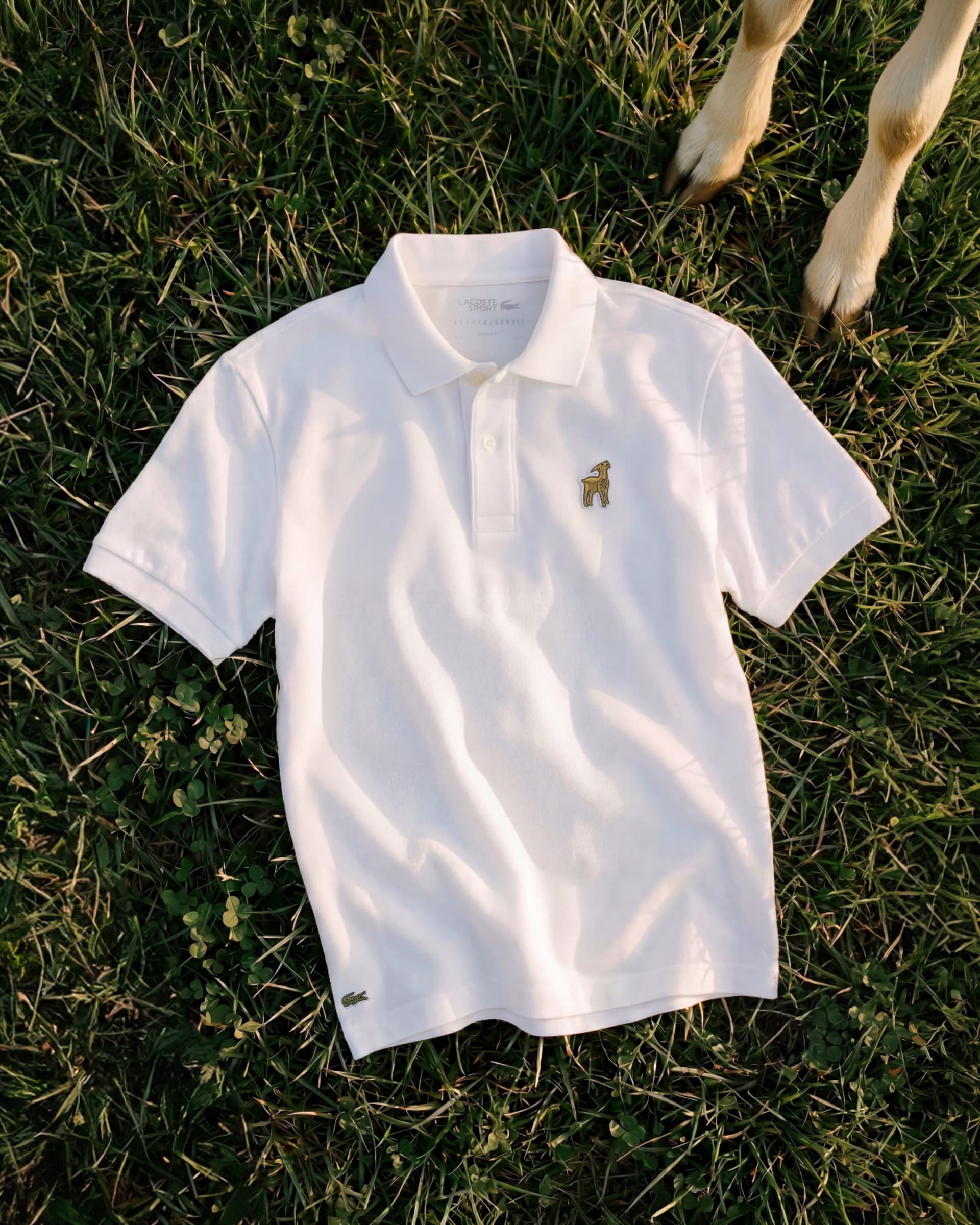
Parisian Mother-Daughter Style, Elisabeth Bento’s Five Elegant Spring Trends
Elisabeth Bento makes spring feel grown-up again. Butter yellow and polka dots only look expensive when you ground them in denim, neutrals, and clean tailoring.
Butter yellow, but only when it’s grounded
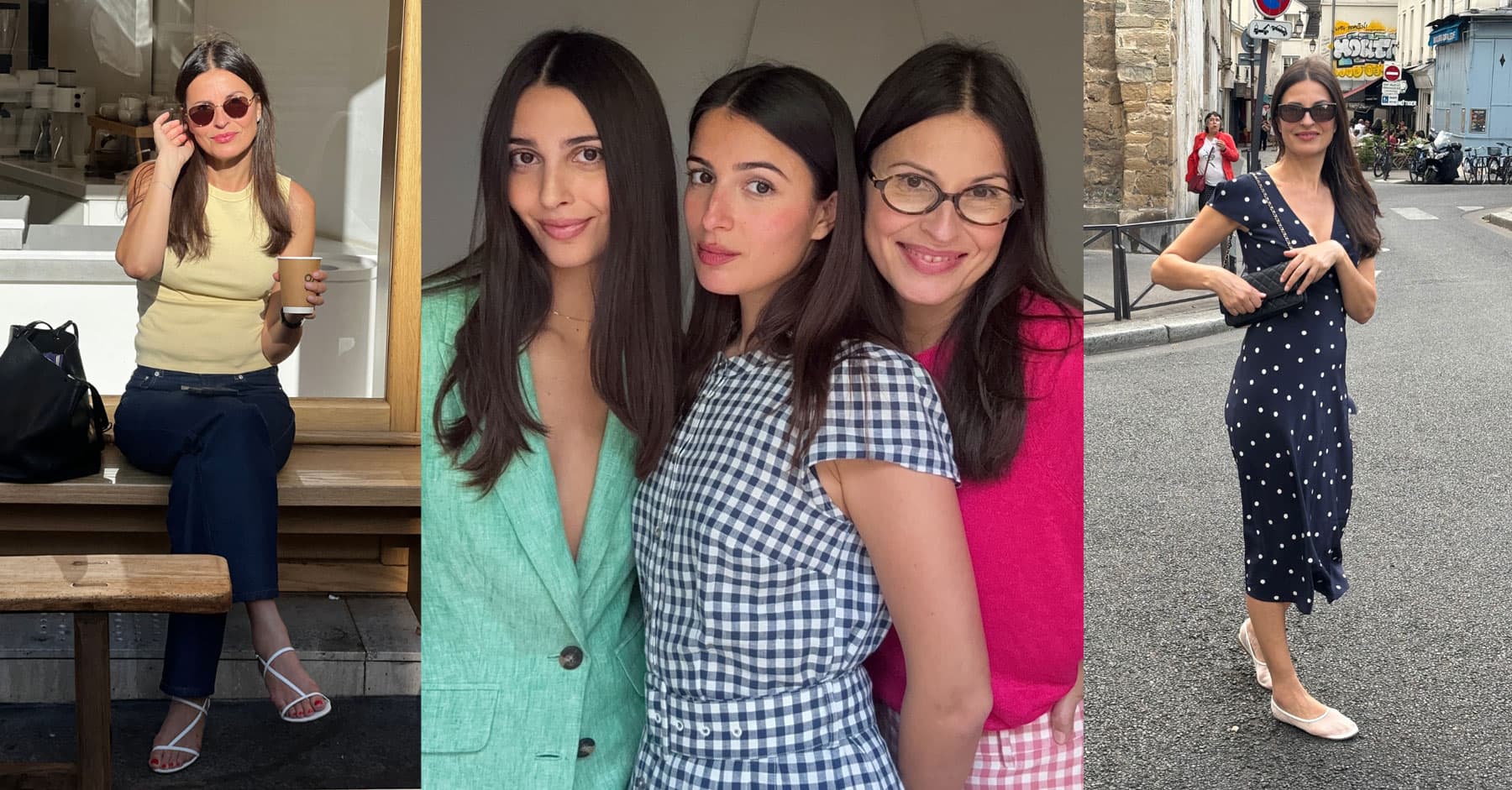
Elisabeth Bento has spent more than three decades in fashion, and the lesson she keeps returning to is the opposite of excess. Based in Paris, the Who What Wear editor in residence came up through Karin Models in the 1990s, moved into editing at L’Officiel in the early 2000s, later became image director at Maje, and now works independently as a stylist, creative consultant, and content creator. That long view is exactly why her spring color play feels so good: she does not wear butter yellow like candy, she wears it like sunlight.
Bento says she first wore the shade last spring because her daughters were obsessed with it, and that detail says everything about the way she dresses. The color works for her because she cuts the sweetness with blue jeans, then leans into beige and warm brown tones, which turns a youthful trend into something quiet, polished, and very Paris. Jennifer Lawrence and Alexa Chung have helped make butter yellow feel elegant again this spring, but Bento’s version is even more wearable because it refuses the full pastel fantasy and lets the color breathe against real clothes.
Polka dots, the print that passes between generations
Bento calls polka dots “the most intergenerational print,” and that feels right, because the pattern has no age bracket when it is done well. Her family’s favorite source is Réalisation Par, and she mostly wears black-and-white or navy-and-white polka-dot dresses, the kind that read like a wardrobe staple rather than a trend moment. This spring, she wants to try a red-and-white version she saw on her daughter Tamara, which is exactly how the print stays alive in a family closet without looking costume-y.
The runway has been reinforcing the point. Spring/Summer 2026 collections sent polka dots through Dries Van Noten, Patou, Christian Siriano, Vetements, Khaite, Altuzarra, and Carolina Herrera, but the best versions did not scream for attention. They used smarter proportions, sharper contrast colors, and more sophisticated tailoring, which is why the print suddenly feels chic again instead of juvenile. The move here is simple: let the dot do the talking, then keep everything else disciplined.
Tailoring is what keeps the trend from wearing you
The broader Spring 2026 mood is not about chasing novelty at full volume. Marie Claire framed the season as one of timeless, wardrobe-friendly pieces rather than radical reinvention, and that is exactly the lane Bento occupies best. She understands that when the silhouette is clean, the trend can register as personality instead of effort.
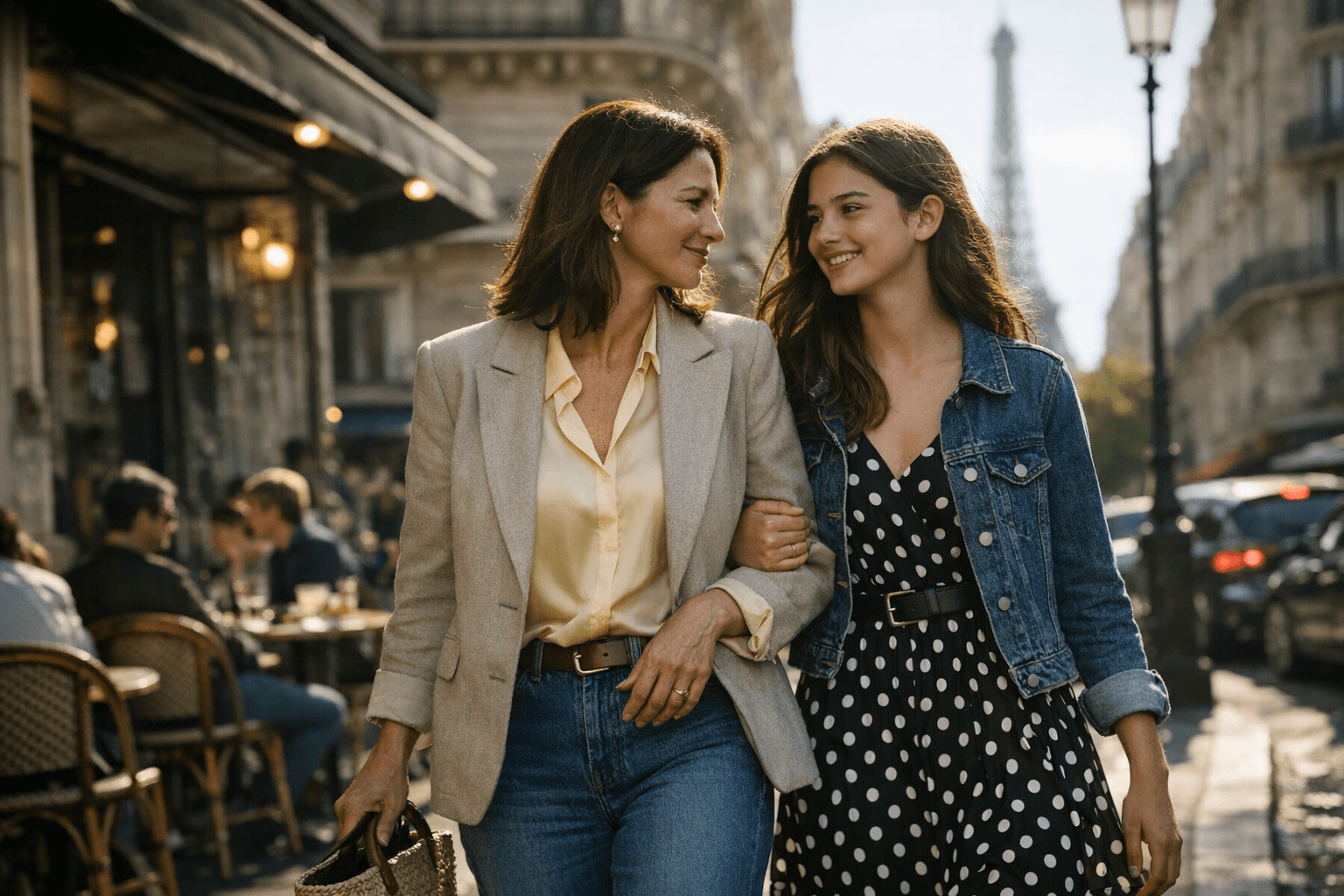
That means the shape matters as much as the print or color. A sharply cut jacket, a straight leg, a dress with enough structure to hold its line, all of it gives spring dressing the kind of quiet authority that looks expensive without trying to look expensive. Bento’s decades in the industry show up here, because she has spent enough time around clothes to know that polish comes from proportion, construction, and restraint, not from piling on more trend signals.
The neutral frame does the heavy lifting
The reason Bento’s spring looks feel so French is that she never lets the trend become the entire outfit. Butter yellow lands differently when it sits next to beige and warm brown, and polka dots feel richer when they are anchored in black, navy, or white. That muted framing is what gives the clothes their old-money ease, because the eye reads texture and tone before it reads trend.
This is also where shoes and jewelry matter. Classic shoes keep the outfit from tipping into playful territory, and minimal jewelry lets the fabric and cut stay in charge. A butter-yellow top with blue jeans, a polka-dot dress with a simple leather shoe, a tailored layer with barely-there accessories, these are the moves that make spring dressing look intentional instead of overworked. The result is not bland at all; it is controlled, which is much harder to fake than flash.
Circular wardrobe thinking makes the whole thing sharper
Bento founded The Closeters, her project focused on secondhand fashion and circular wardrobes, and that background is part of why her style reads so modern even when it nods to classic Parisian codes. She is not dressing for disposable trend culture. She is dressing for a closet that can keep evolving, with pieces that move between seasons, between ages, and even between mothers and daughters.
That is the real appeal of this story. Bento and her daughters are not matching for effect, they are sharing a visual language built on restraint, familiarity, and good taste. In a spring season full of timeless signatures and wardrobe-friendly silhouettes, her approach feels like the smartest one in the room: let a trend in, strip it down, and make it look inherited rather than newly bought.
This article was produced by Prism’s automated news system from verified source data, official records, and press releases, then run through automated quality and moderation checks before publishing. The system is built and supervised by the people who set the standards it runs under. Read our full AI policy.
Did this article answer your question?