Petite Old Money Capsule Wardrobe for Spring to Summer Transition
The sharpest old-money capsule for petites is built on restraint, but only if every hem and jacket break is doing quiet work.
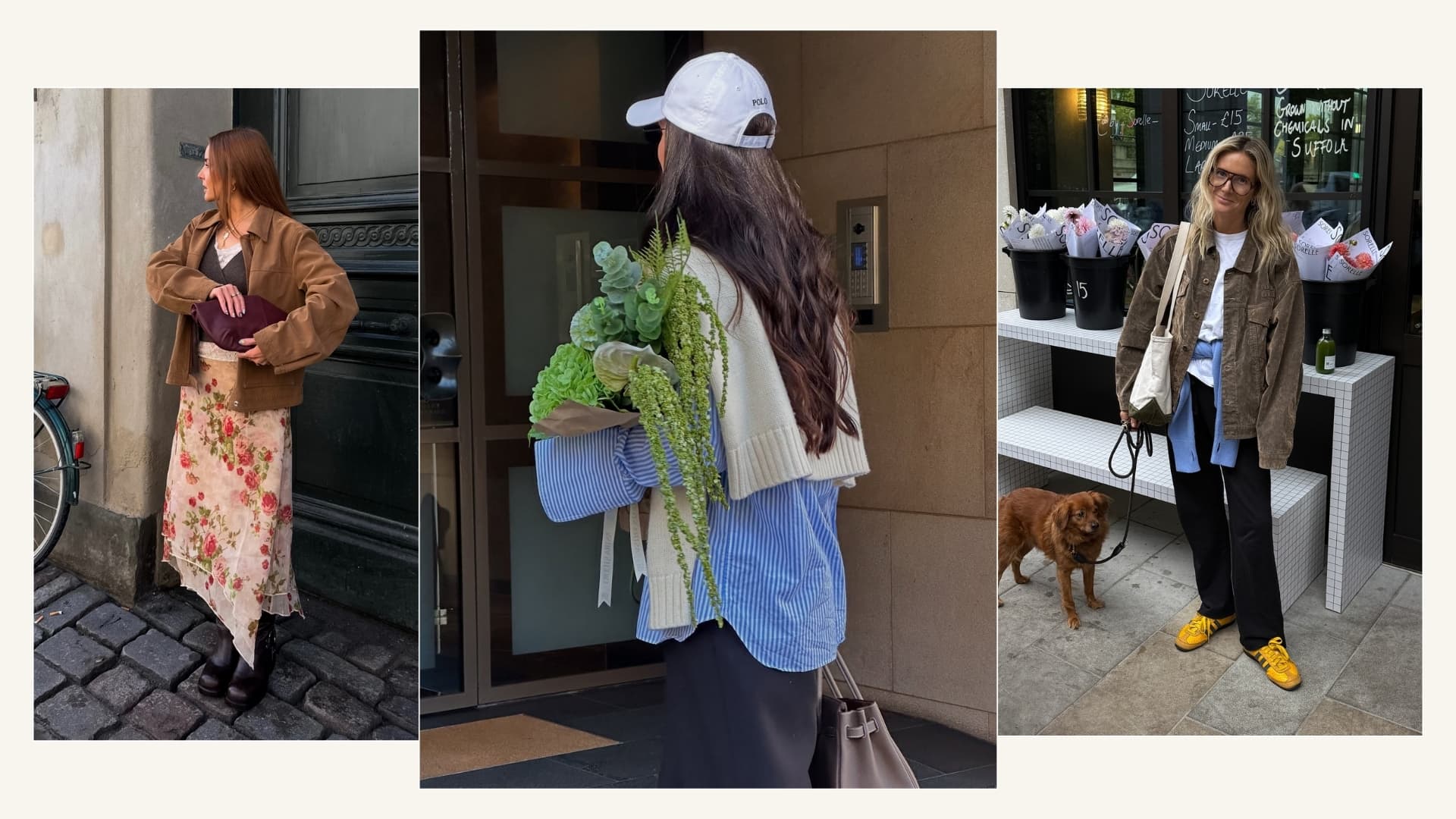
The cheapest way to look old money is not a monogram, it is restraint. For petites, that restraint has to be engineered, because the wrong rise, hem, or jacket length can flatten the whole effect; the right one can make seven simple pieces look like an inherited wardrobe rather than a shopping list.
Why this capsule works now
Quiet luxury has been reborn in public under the name old money style, and the appeal is practical as much as aesthetic. CNBC tied the look to a post-Covid K-shaped economy and to a growing preference for pieces that last beyond one season, which explains why the smartest spring-to-summer wardrobe is not stuffed with trend items but distilled into clothes that hold their shape, keep their polish, and move from office to weekend without drama. Sonya Glyn’s framing is useful here: quiet luxury, classic prep, and even mob wife all sit under the old-money umbrella, but the version that endures is the one built from clean lines, quiet palettes, and tailoring that looks inherited rather than newly purchased.
That idea has history behind it. The Metropolitan Museum of Art says The Costume Institute’s collection includes more than 33,000 objects spanning seven centuries of fashionable dress, from the fifteenth century to the present. Old money style borrows from that long memory: tailored shirts, precise outerwear, and skirts that skim instead of shout. It is classic because it has survived longer than the current cycle.
The petite rule: proportion first, always
The best petite styling advice is not about shrinking clothes, but correcting scale. Who What Wear notes that women 5'4" and under often struggle with overly long trousers and should be ready to shop petite cuts, research the right silhouette, or pay for alterations. It also makes an important distinction: intentionally oversized pieces are not the same as clothes that are simply too big, because the latter can make a petite frame look frumpy.
For this capsule, that means every piece should earn its place by extending the body visually. Look for hemlines that stop cleanly, waistlines that sit where the body naturally narrows, and jackets that finish above the hip so the torso reads longer. One March 6, 2026 petite trend guide put it plainly: petite dressing is about proportions, and cropped jackets that finish above the waist create the illusion of a longer torso. That principle is the spine of the entire wardrobe.
1. The Oxford shirt: the anchor piece
If one item carries old-money shorthand better than any other, it is the Oxford shirt. Brooks Brothers says it invented the Original Polo Button-Down Oxford shirt in 1900, and that it remains one of the most imitated pieces in fashion history. The button-down collar, inspired by polo players who pinned their collars in place, is exactly the kind of understated detail that makes this shirt feel polished without trying too hard.
For petites, the key is to keep the shirt crisp, not boxy. Choose a hem that can be fully tucked or a slightly shortened cut that lands at the high hip, then pair it with a mid- to high-rise bottom so the leg line starts higher. Leave enough room through the body to suggest ease, but not so much that it hangs like borrowed menswear. The shirt should skim the frame, then disappear into the silhouette rather than interrupt it.
2. Drawstring trousers: softness with discipline
Drawstring trousers can be one of the most flattering pieces in this capsule if the rise is right. A mid- to high-rise drawstring flatters petites because it lifts the waist and lengthens the leg, especially when the front stays clean and the tie is subtle rather than bulky. The leg should fall in a straight or gently tapered column, never pooling at the ankle.
This is where alterations matter. Hem the trouser so it grazes the top of the shoe, not the floor, and keep the break minimal. The most expensive-looking version is usually the least fussy one: fluid fabric, sharp crease if the material allows it, and enough structure at the waist to avoid pajama territory.
3. The midi skirt: length that reads elegant, not heavy
A midi skirt can be tricky on a petite frame, but it is also one of the most refined old-money pieces when the proportions are exact. Aim for a hem that sits at the narrowest part of the calf rather than the widest, because that subtle shift keeps the leg line cleaner. A skirt that falls in a straight column or a gentle A-line is the most forgiving, especially when it is paired with a tucked shirt or a close-fitting blouse.
The important styling rule is to keep the top trim. A tucked Oxford shirt, a sleeveless knit, or a fitted blouse prevents the skirt from taking over the body. Add a shoe with a pointed or softly almond toe to keep the line uninterrupted.

4. The puff-sleeve blouse: volume in the right place
The puff-sleeve blouse brings softness to the capsule, but it has to be controlled softness. On a petite frame, volume should live at the sleeve, not at the body, so the blouse still defines the waist and keeps the upper half light. A short hem or a neat tuck is essential.
This is where old-money polish shows up in the details: a modest neckline, a smooth shoulder, and fabric that looks refined rather than theatrical. The blouse should read as a lifted accent, not a statement costume.
5. Closed-toe mules: the shoe that finishes the line
Shoe shape matters more than many people think, and closed-toe mules are the quietest way to sharpen a petite silhouette. They expose the top of the foot while keeping the front neat, which helps the leg read longer than a round, clunky shoe would. A pointed toe is best if you want the strongest elongating effect, though a slim almond toe can work too.
Keep the heel low to moderate and the upper clean. Anything too chunky interrupts the refinement this wardrobe depends on. The goal is to finish the outfit with a polished punctuation mark, not a visual break.
6. The utility jacket: structure at the waist
The right utility jacket can make the whole capsule feel modern without losing its composure. For petites, the jacket should finish above the waist or at least at the high hip, following the same proportion rule Who What Wear recommends for cropped outerwear. That cut creates length through the torso and keeps the body from disappearing under fabric.
Choose a version with tidy seams, a defined shoulder, and a narrow enough body to layer without swelling. This is not about looking rugged; it is about borrowing the practicality of utility and translating it into a clean, tailored shell.
7. Straight-leg jeans: the casual piece that still looks inherited
Straight-leg jeans are the final piece because old money style only works when it looks easy enough for real life. On petites, the best pair sits high on the waist, falls straight from hip to hem, and is cut to avoid excess fabric at the ankle. Skip the puddle and the overly baggy fit; both shorten the line.
The most refined version ends just above the shoe or kisses the top of a closed-toe mule. Dark indigo or a clean mid-wash works best here because the denim reads polished rather than casual-for-casual’s-sake. It is the jean equivalent of a pressed white shirt: simple, but only if the cut is exact.
The finished formula
What makes this seven-piece capsule distinctive is that every item protects the same silhouette. High or mid-high rises lift the waist, cropped or waist-finishing jackets lengthen the torso, straight hems keep the eye moving downward, and pointed or slim-toed shoes keep the foot line neat. That is the real old-money trick for petites: not pretending to be taller, but making every proportion look deliberate.
When the fit is right, the wardrobe feels almost architectural. The clothes do not announce themselves, which is exactly why they look expensive.
This article was produced by Prism’s automated news system from verified source data, official records, and press releases, then run through automated quality and moderation checks before publishing. The system is built and supervised by the people who set the standards it runs under. Read our full AI policy.
Did this article answer your question?