Spring 2026 Sheer Dressing Turns Refined, Layered, and Old-Money Chic
Sheer is back, but the polished way to wear it is with layers, restraint, and just enough opacity to keep the look crisp.
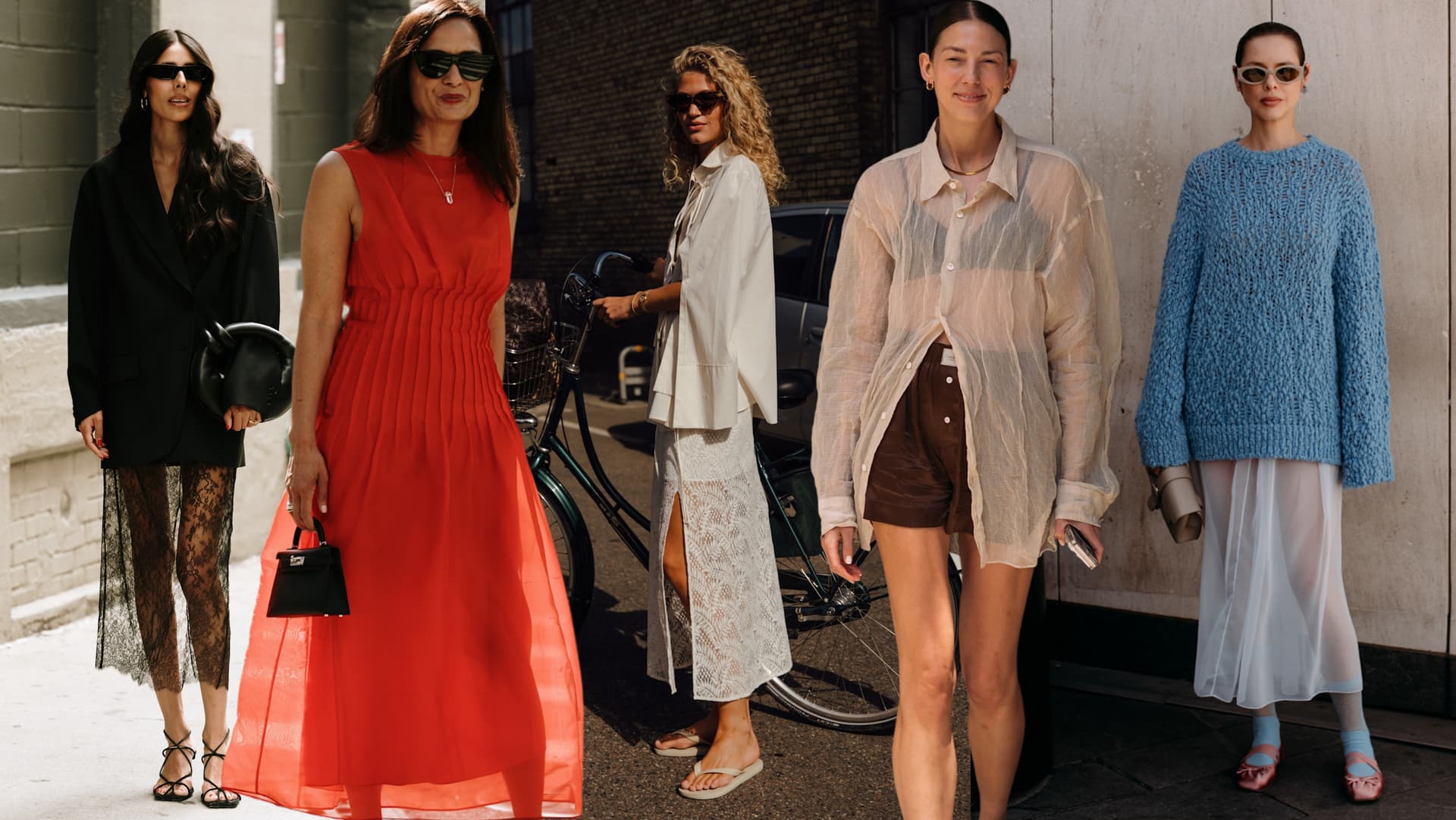
The new sheer code
The easiest way to wear sheer this spring is not to lean into exposure. It is to treat transparency like an old-money styling test: keep it quiet, layered, and deliberate. Marie Claire describes the season’s barely-there dressing as “more refined and less revealing,” and that is exactly why it feels current. The clearest old-money tell is not a logo; it is restraint.
What makes the look work now is control. A translucent top becomes polished when it sits over a silk shell. A see-through skirt reads expensive when it is softened by a tonal slip. A gauzy blouse feels intentional when it is paired with crisp shirting or tailored trousers. The goal is not to disappear into the fabric. The goal is to let the fabric suggest lightness while the styling holds the line.
Why Chanel set the tone
Chanel’s Spring 2026 Haute Couture show gave the conversation its strongest visual argument. Matthieu Blazy sent out translucent cardigans layered over matching bottoms, see-through skirts worn with embellished blazers, and gauzy tank tops tucked into ultra-thin pants. Each look had one thing in common: the transparency was framed by structure. Nothing looked thrown on. Nothing looked like it was trying to prove a point.
That balance is why the trend lands as refined instead of overtly sexy. A sheer cardigan over a matching set feels elegant because the tone stays consistent and the body is hinted at, not itemized. A see-through skirt with a decorated blazer keeps the eye moving upward, toward tailoring and finish, not just skin. By contrast, sheer without an anchor can slide fast into a late-night register: a transparent dress with bare underpinnings, a clingy knit with no layering, or a lace piece worn for shock rather than shape.
The runway mood is bigger than one fabric
Chanel was not alone. Marie Claire notes that Tory Burch, Maison Margiela, and Valentino all showed sheer designs in spring 2026 ready-to-wear, which tells you this is not a one-house idea but a wider shift in how designers are handling softness. The trend sits inside a spring 2026 mood that leans into refinement, romantic detail, and archival references rather than hard minimalism or obvious sex appeal.
W Magazine described the season as marked by “designer debut” energy, historical references, and hybrid styling moments, while Who What Wear pointed to the return of romantic fashion, with delicate lace and voluminous details back in the mix. That matters because sheer feels most believable when it is paired with texture and shape. A transparent layer against lace, silk, tailoring, or a sculpted hem looks considered. Sheer all by itself can look unfinished.

How to wear it without looking exposed
The smartest way to approach sheer is to build in a clear point of opacity. Start with a base layer that looks intentional on its own, then let the transparent piece act like a filter rather than the whole outfit. A silk shell under a transparent knit keeps the top elegant. A tonal slip under a sheer skirt gives movement without exposure. A structured blazer over a gauzy dress instantly shifts the mood from beachy to polished.
A few styling moves keep the result refined:
- Choose one sheer element per outfit. A transparent blouse with wool trousers is chic. A sheer top with a sheer skirt and barely-there heels can veer costume-y.
- Stay tonal. Cream on cream, black on black, or pale blush over ivory reads far more expensive than a clash of obvious layers.
- Use tailoring as the anchor. Crisp shirting, slim trousers, a sharp jacket, or a clean belt gives sheer a daytime discipline.
- Pick polished shoes. A sleek pump, a slingback, or a minimalist flat keeps the look from drifting into overtly sexy territory.
The pieces that push sheer too far are usually obvious. Think ultra-short hemlines with no layer underneath, see-through jersey cut too close to the body, or lingerie-forward styling that leaves nothing to the imagination. The refined version leaves room for suggestion. It should feel like you dressed with intention, not bravado.
Why it feels old-money now
Old-money style has always had more to do with restraint than wealth signaling. That is why this version of sheer works so well: it looks expensive when it is handled as a question of proportion, not provocation. The cheapest way to look old money is not a monogram. It is restraint, and sheer is suddenly one of the clearest places to show it.
The trend’s appeal is also practical. For daytime, sheer layers offer movement and texture without heaviness. For evening, they let you look polished without defaulting to cocktail-dress territory. That makes the look surprisingly wearable across a real wardrobe, not just a runway fantasy. A translucent blouse under a navy blazer works for dinner. An organza overlay over a slip dress works for an event. A lace skirt with a lightweight jacket reads modern in New York and Paris without trying too hard.
The fashion history behind the moment
There is a longer story here, and The Metropolitan Museum of Art makes that easy to see. The Costume Institute’s collection represents more than thirty-three thousand objects and seven centuries of fashionable dress, which is why runway trends like sheer never feel entirely new. They return in different forms, with different social codes attached.
The museum’s own history traces that continuity too. The Costume Institute began as the Museum of Costume Art in 1937, merged with The Metropolitan Museum of Art in 1946, and became a curatorial department in 1959. In other words, fashion has been cataloging its own cycles for decades, and transparency has been part of that conversation for just as long.
One of the most revealing reminders sits in a Gianni Versace evening dress from fall/winter 1991-92. The Met describes 1990s fashion as being driven by “supple and externalized corsetry” and notes Versace’s “sensuous, body-revealing dress.” That is the contrast that makes spring 2026 feel so distinct. Today’s sheer is still body-conscious, but it is not trying to dominate the room. It is trying to be controlled, elegant, and wearable.
The shape of sheer, for now
This season’s best sheer dressing is not about exposure as a headline. It is about precision. The silhouette should feel clean, the layers should feel chosen, and the finish should look polished enough for daytime. That is why the trend reads as old-money chic rather than overtly sexy: it gives you all the atmosphere of transparency, then reins it in with tailoring, tonal discipline, and just enough opacity to keep the mystery intact.
This article was produced by Prism’s automated news system from verified source data, official records, and press releases, then run through automated quality and moderation checks before publishing. The system is built and supervised by the people who set the standards it runs under. Read our full AI policy.
Did this article answer your question?