The four sunglasses styles that define quiet-luxury summer dressing
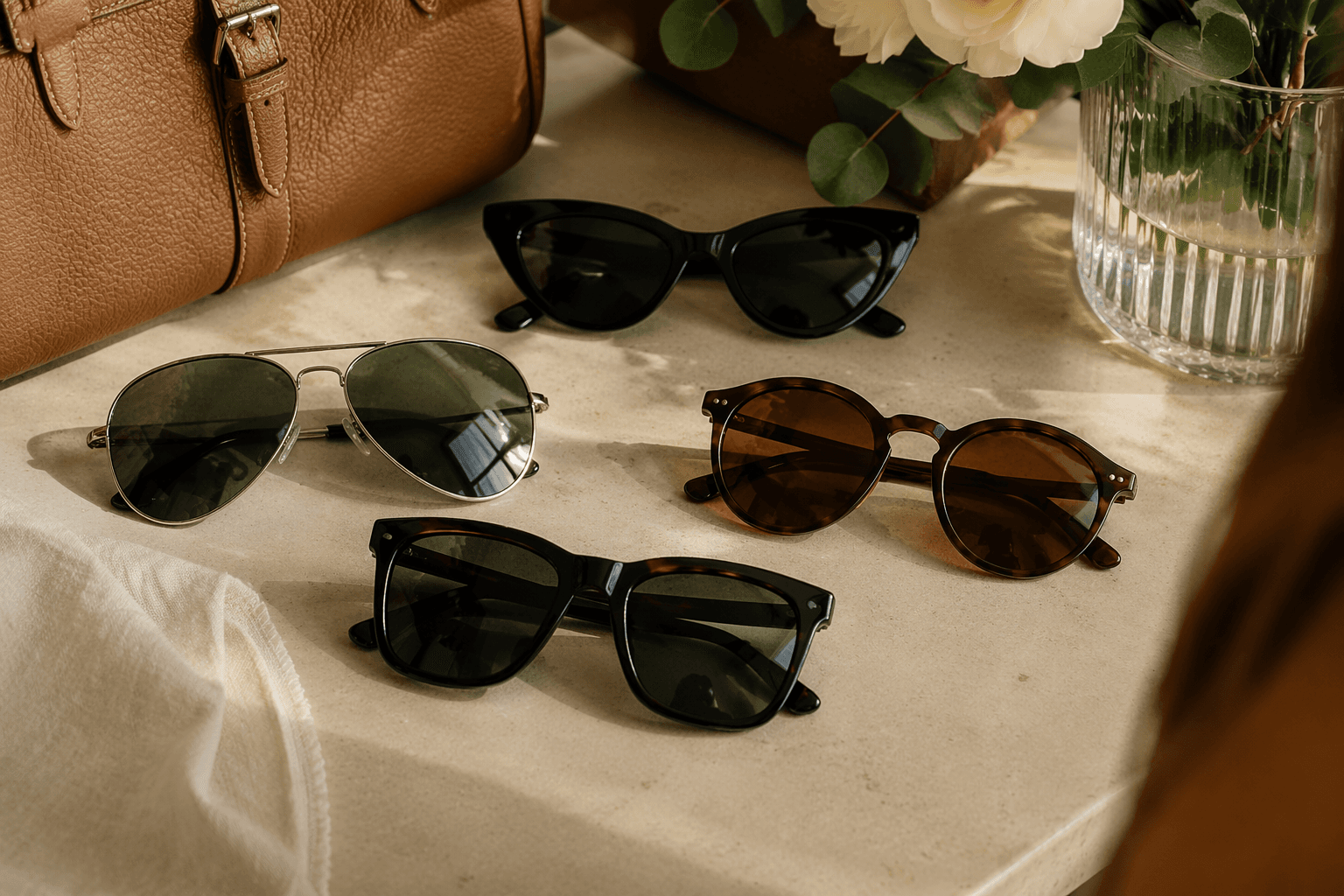
Old-money sunglasses are a code, not a trend. The four shapes that matter most are aviators, cat-eyes, rounds, and squares, each with a specific summer setting.
The right sunglasses do more than finish a look. In a quiet-luxury wardrobe, they set the tone, sharpen the silhouette, and signal that the outfit was considered all the way through, from the neckline to the frames. They also have a practical job to do: the Food and Drug Administration recommends 100% UV protection, the National Institutes of Health advises lenses that block at least 99% of UVA and UVB rays, and the American Academy of Ophthalmology warns that UV exposure can raise the risk of cataracts, growths on the eye, and eye cancer.
Aviators for city errands
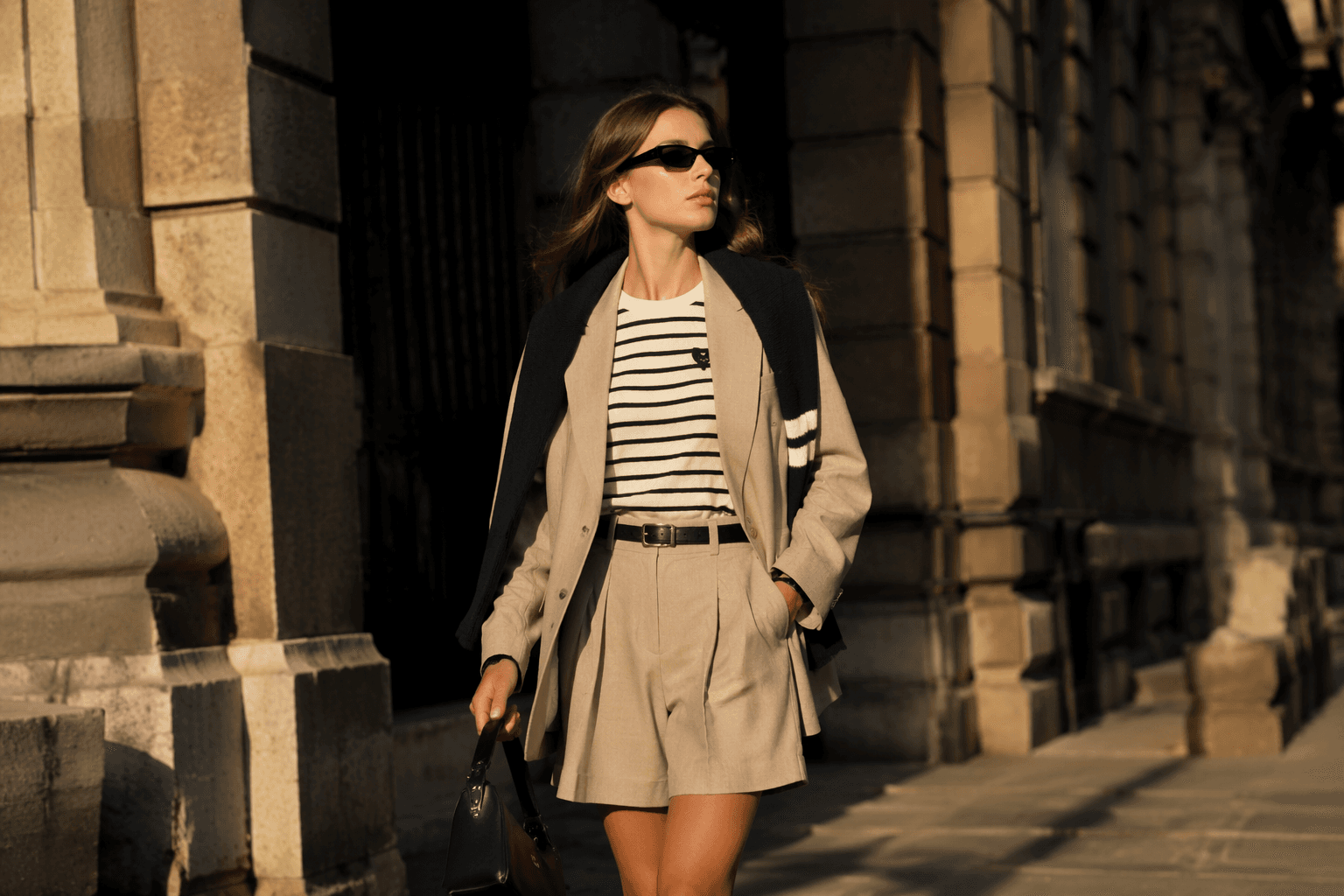
Aviators are the purest shorthand for polish without fuss. Ray-Ban traces the shape back to 1937, when it developed crystal lenses to cut glare for U.S. pilots and introduced Aviator for U.S. aviators, which is why the frame still reads as functional first and stylish second. That balance is exactly what makes it work with city errands: a white poplin shirt, tailored trousers, a trench coat tossed over one arm, and no excess anywhere.
The old-money appeal is in the proportion. Aviators bring enough presence to stand up to a clean wardrobe, but not so much drama that they look theatrical, and that restraint is what keeps them in circulation from one generation to the next. If you want the frame that feels closest to JFK at his most composed, this is the one. It also helps that a good pair does double duty as sun protection, especially on bright pavement where glare bounces off glass and concrete.
Cat-eyes for the beach club
Cat-eyes are the summer frame that knows how to make an entrance without looking as if it tried. Their roots in the 1950s matter here: that decade favored elegance, formality, and perfectly matched accessories, which is exactly why a sculpted cat-eye still reads as midcentury-luxury rather than costume. Jackie O made that polished glamour legible to everyone, and the shape has carried that association ever since.
At the beach club, cat-eyes work because they bring structure to fluid clothes. Think linen cover-ups, a swimsuit in deep navy or black, and a frame that lifts the face the moment you step out of the shade. The American Academy of Ophthalmology recommends wraparound sunglasses so sun rays do not easily enter from the side, and that advice matters most in open, reflective settings like the pool deck, where light comes at you from every angle. If aviators are about efficiency, cat-eyes are about poise.
Round frames for a travel day
Round frames have a different kind of pedigree: less patrician, more intellectual, but still deeply rooted in style history. Ray-Ban describes Round Metal as a retro look first worn by legendary musicians and inspired by 1960s counter-culture, which gives the shape a clear reference point beyond vague bohemianism. On a travel day, that reference turns useful, because round frames soften the hard edges of a jacket, a carry-on, and all the small stresses that come with moving through an airport.
They also make sense with the kind of clothes that have become the travel uniform of choice among women and men who dress with discipline: a cashmere sweatshirt, a crisp shirt, relaxed trousers, a coat that still hangs neatly after a long flight. Round frames never look overworked, and that ease is the point. Clouds do not block UV light, so even a grey departure lounge or a hazy arrival city still calls for proper lenses, not just the illusion of shade.
Square frames for lunch on a terrace
Square frames are the cleanest way to signal modern restraint without losing definition. Their straight lines suit a wardrobe built on crisp shirts, compact tailoring, and fabrics with a bit of body, which is why they feel right for lunch on a terrace, where the look needs to hold from the first spritz to the last coffee. They are less romantic than cat-eyes and less nostalgic than rounds, but that is exactly what gives them authority.
This is also where fashion history gives them weight. The Met’s Costume Institute holds more than 33,000 objects spanning seven centuries, and its collection search includes sunglasses by André Courrèges and Chanel, two names that help explain why square frames read as design objects, not afterthoughts. A strong square frame can pull a whole outfit into focus, especially when the rest is kept spare: a silk blouse, tailored shorts, a flat leather sandal, and jewelry so minimal it barely announces itself. Choose lenses that meet the 100% UV standard, and the frame becomes what it should be in a serious wardrobe, a final detail that carries more intention than decoration.
This article was produced by Prism’s automated news system from verified source data, official records, and press releases, then run through automated quality and moderation checks before publishing. The system is built and supervised by the people who set the standards it runs under. Read our full AI policy.
Know something we missed? Have a correction or additional information?
Submit a Tip