petite brides find the best necklines and silhouettes for gowns
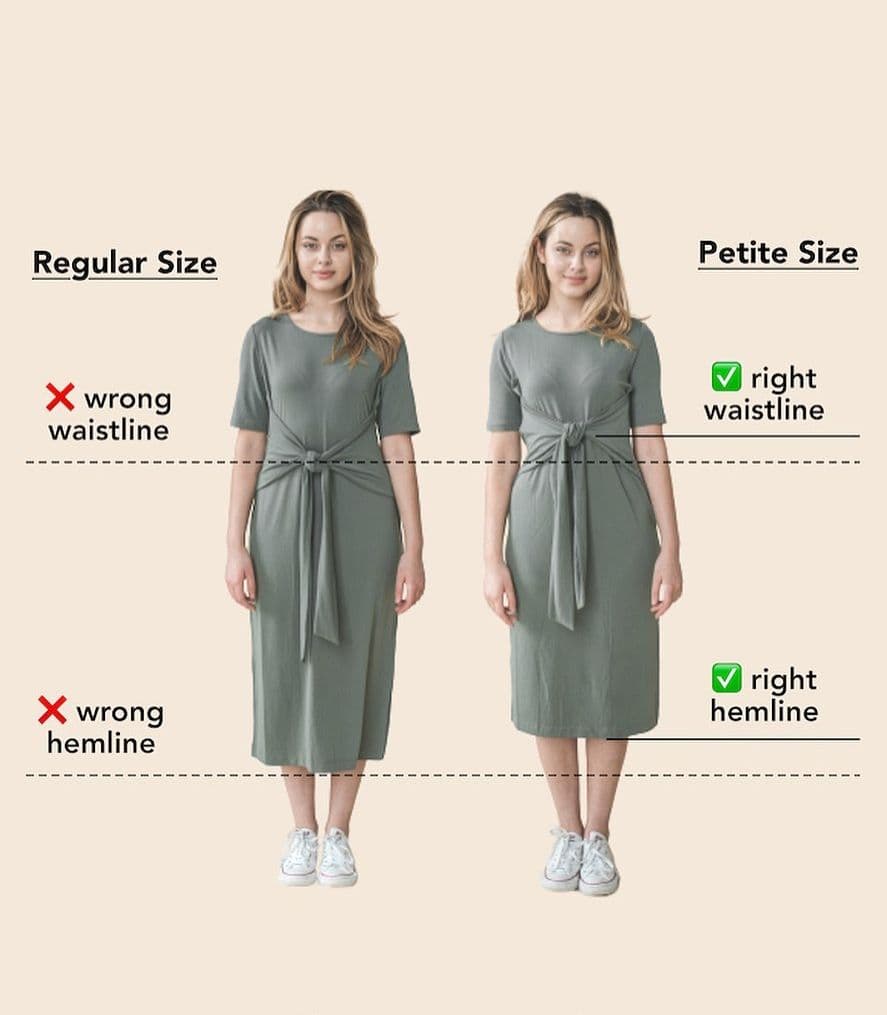
Petite bridal shopping is a proportion problem, not just a hemming problem. The right neckline, waist placement, silhouette, and train can lengthen a 5'4" frame without heavy alterations.
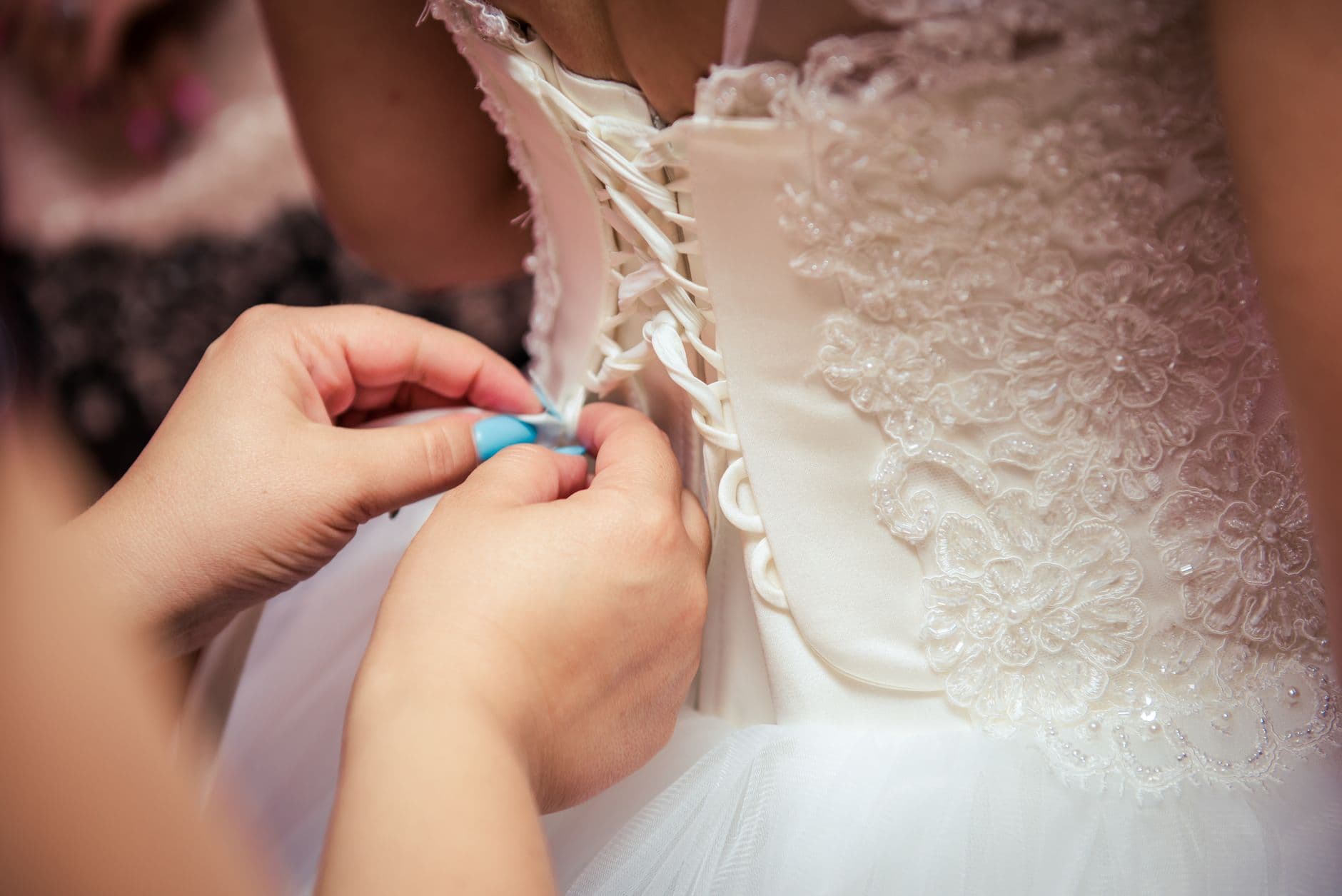
At 5'4" and under, a bridal gown can overwhelm as easily as it can flatter. The goal is not simply to shorten a hem, but to choose a gown that keeps your frame visible: a waist that lands in the right place, a neckline that opens the torso, and a skirt that moves vertically instead of spreading wide across the room.
Why petite brides need to shop for lines, not just length
The difference shows up in the bodice first: if the waist sits too low or the neckline cuts too high, the dress can make your torso look compressed before you ever reach the hem. A petite bride usually looks best in a dress that creates a clean column of shape from shoulder to floor, with the eye traveling upward and down again in one fluid line.
Yes, a hem can be trimmed, but lengthening a torso or restoring a lost waistline requires far more work, and usually more money, than starting with a silhouette that already respects smaller proportions.
The necklines that open a petite frame
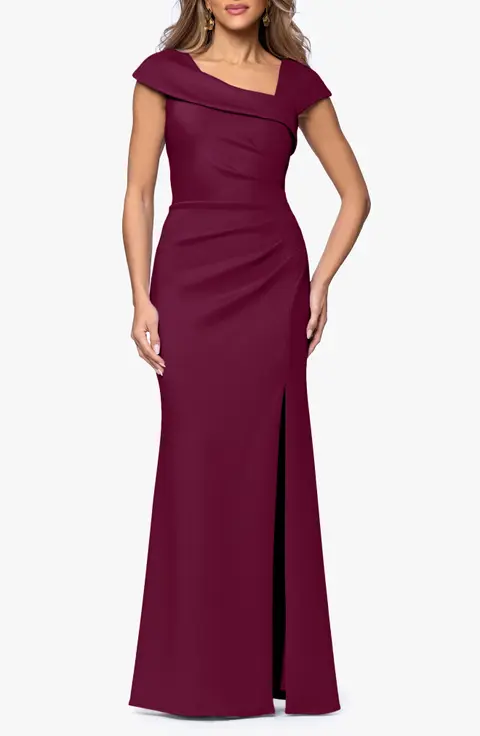
Lower necklines are the easiest place to get that length. Sweetheart and plunging shapes are especially effective because they expose more of the upper chest and extend the visual line through the torso, which keeps a small frame from looking boxed in. On a petite bride, that open space can be more flattering than coverage alone, because it shifts attention upward and makes the dress feel lighter.
Strapless gowns can do the same job when the bodice is built well. The best version is crisp and structured, with a clean top edge that leaves the shoulders uninterrupted and the neckline free of visual clutter. The Knot’s petite edit includes a strapless gown with a sweetheart neckline and a chapel-length train, available in sizes 0 to 30.
That said, a neckline only helps if the bodice holds its own. Slouchy construction, extra fabric, or a bustline that slips too low will undo the effect. Petite brides should look for dresses that feel engineered rather than merely decorative.
Silhouettes that skim, lengthen, and stay light
For petite brides, slim silhouettes are often the most reliable. Sheath dresses are especially strong because they skim the body instead of building width, which keeps the eye moving down in one unbroken line. That is the opposite of what happens when a skirt is over-pleated, over-layered, or overly full through the hips, where the eye starts moving sideways and the frame can disappear inside the fabric.
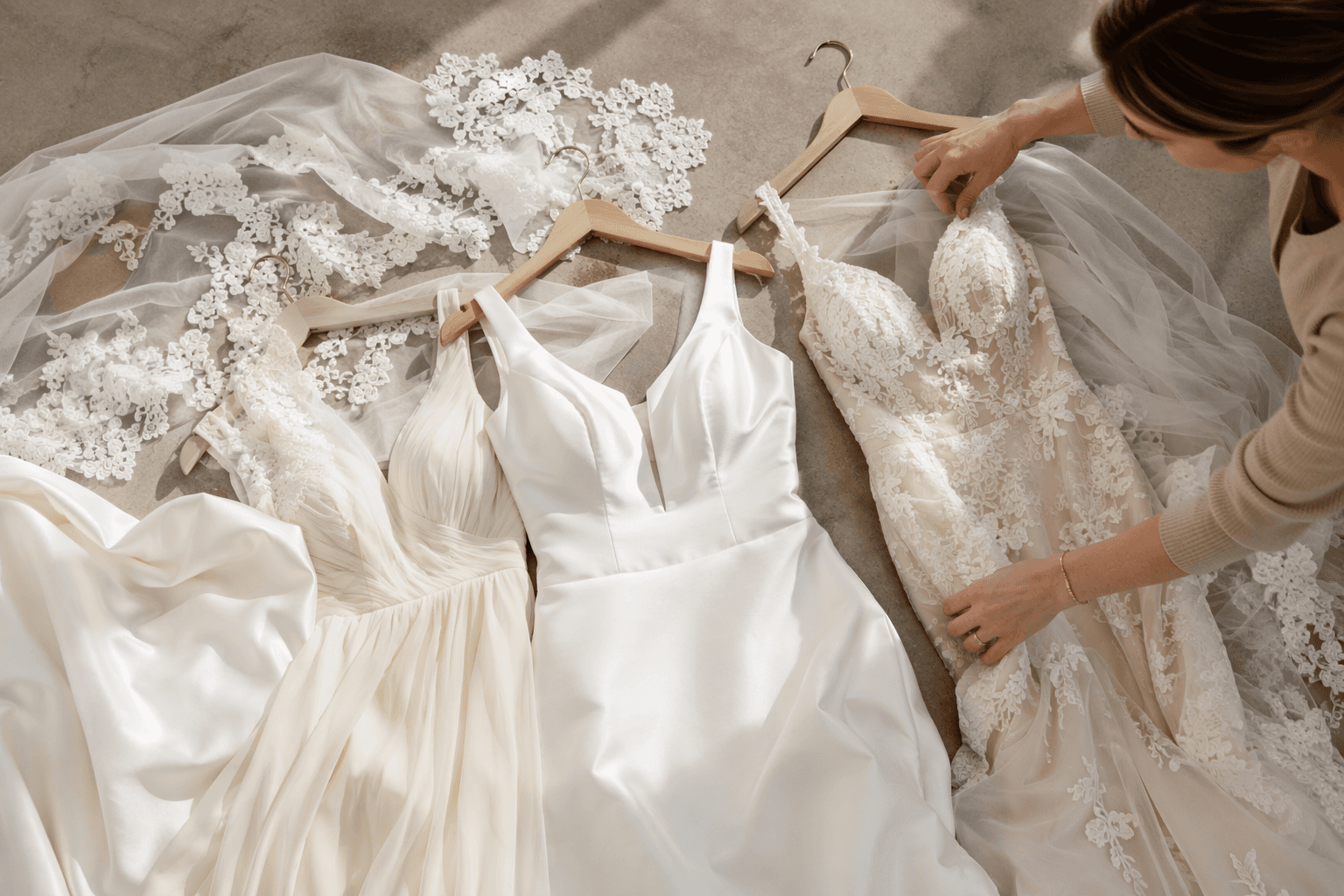
A-line shapes can also work beautifully when they are controlled and not too voluminous. Azazie recommends empire-waist and A-line dresses for bodies under 5'4" because they lengthen the body and create vertical lines. That principle translates cleanly to bridal, where a gentle flare can add movement without swallowing the legs or making the hem feel heavy.
What petite shoppers should skip is excess for its own sake. A full princess skirt, a bulky overskirt, or a dramatic expanse of tulle can look expensive on the hanger and exhausting on a smaller body.
Waist placement and train length do more than alterations ever will
Where the waist hits matters just as much as what the skirt does below it. A waistline that lands at the natural waist can define the body cleanly, while a dropped waist can pull the eye downward and shorten the legs. For petite brides, that difference can be the line between a gown that feels balanced and one that needs constant pinning.
Train length deserves the same scrutiny. A chapel-length train gives you presence without dragging too much visual weight behind you. Longer trains can be magnificent, but on a petite frame they often need careful handling, because the sweep of fabric can start to dominate the silhouette before the aisle even begins.
Construction details matter here too. A structured bodice, a well-placed seam at the waist, and a skirt that falls cleanly are the quiet luxuries that save money later, because they reduce the kind of alterations that come from trying to remake a dress into the right proportions.
What to look for on the rack
- Sweetheart and plunging necklines that lengthen the torso
- Strapless bodices with structure, not softness
- Sheath silhouettes that skim close to the body
- Controlled A-line shapes that add movement without bulk
- Waistlines that sit at the natural waist, not below it
- Chapel-length trains that add polish without overpowering the frame
The Knot, Azazie, and Cocomelody all offer petite-friendly edits or brand pages, giving brides real examples to compare instead of forcing them to translate abstract styling advice into a fitting room reality.
This article was produced by Prism’s automated news system from verified source data, official records, and press releases, then run through automated quality and moderation checks before publishing. The system is built and supervised by the people who set the standards it runs under. Read our full AI policy.
Did this article answer your question?