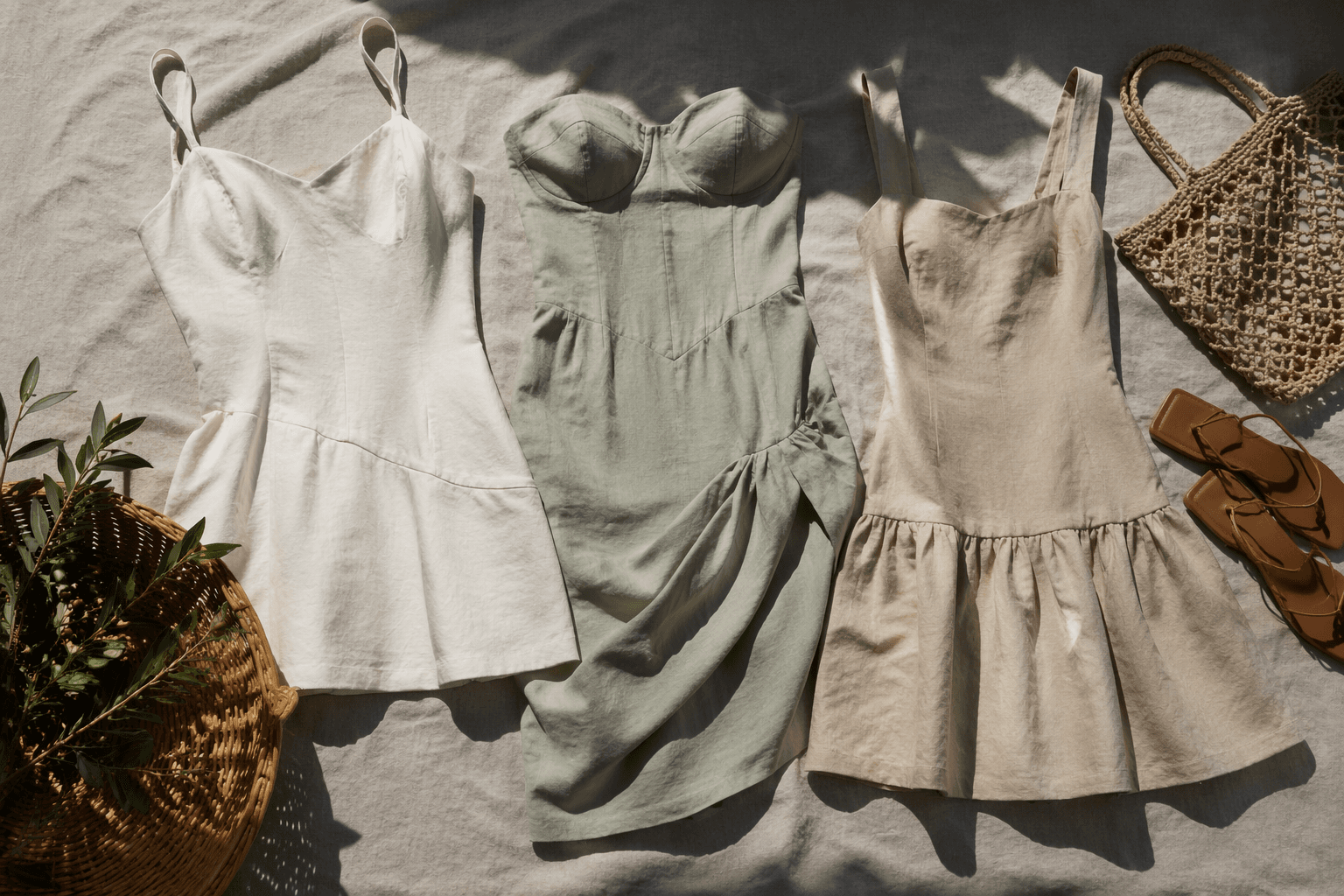
Petite-friendly nautical style, stripes, waistlines, and elongating proportions
Nautical can flatten a petite frame fast, but one stripe, one waistline, and one long line fix the whole look. This is the spring formula that keeps sailor style sharp, not costume-y.
Why nautical gets tricky on petites
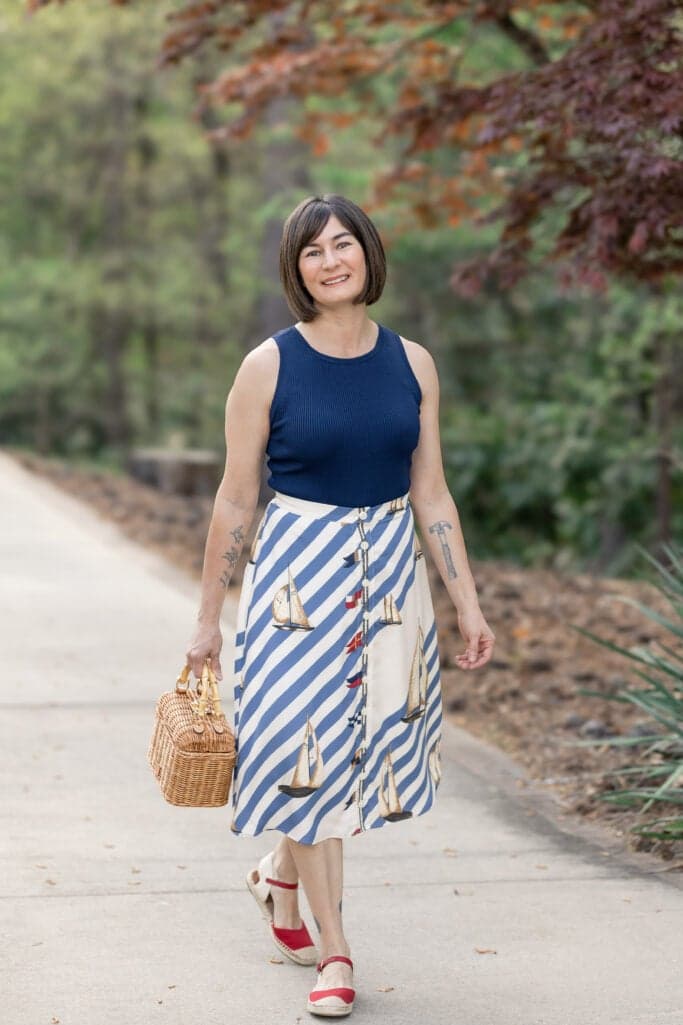
Nautical dressing is one of those spring habits that looks easy until you put it on a smaller frame and suddenly every button, stripe, and lapel starts competing for space. That is the trap: stacked details can shorten the body line and make the outfit read like a themed costume instead of modern clothes. The fix is not avoiding sailor style altogether. It is editing it hard.
That matters because petites already spend more time fighting proportion than most shoppers do. At 5'4" and under, finding clothes that land in the right place can feel like a full-time fitting-room job, and oversized shapes only make the battle harder. The goal here is simple: keep the nautical mood, lose the visual bulk.
The rule of one
The cleanest petite formula is the rule of one: one nautical element per look. If the top has stripes, let the rest stay quiet. If the skirt has a button front or a sailor twist, skip the striped tee and keep the top sleek. That restraint is what keeps the outfit from collapsing into a short, choppy silhouette.
Style at a Certain Age nails the practical version of this idea for petites. It recommends limiting stripes, using only one statement print or stripe at a time, and anchoring the look with a defined waist plus a drapey midi skirt so the eye keeps moving downward instead of stopping at the middle. On a smaller frame, that continuous line is everything. Break it too many times and the outfit starts working against you.
A petite-friendly nautical look should feel edited, not decorated. Think crisp navy and white, but keep the surface area modest. A striped knit with tailored trousers. A sailor-collar blouse with a clean, straight skirt. A button detail at the waist, not all over the outfit. The calmer the composition, the taller the result.
Stripes, but smaller and smarter
Stripes are the fastest route to nautical, and also the fastest way to overwhelm a petite body if they are too wide or too loud. The Met points out that striped textiles were associated with seaside activities such as tennis, yachting, and walking by the water because of their nautical theme and jaunty air, which explains why they keep resurfacing every spring and summer. That energy works best when the stripe itself is restrained.
For petites, scaled-down stripes are the sweet spot. Narrow spacing feels lighter on the eye and easier to layer under blazers, cardigans, and jackets without turning the torso into a billboard. Big, bold bands can be chic, but on a shorter frame they demand more visual room than they usually get. If you want the stripe to do the work, keep the rest of the outfit quiet and let the proportion stay clean.
The smartest move is to treat stripes like punctuation, not the whole sentence. One striped top, one striped scarf, one striped skirt, but not all three. That single decision does more for a petite frame than most trend tricks ever will.
Waist placement is the whole game
If there is one proportion trick petites overlook at their own risk, it is waist placement. Who What Wear’s petite guidance keeps coming back to the same point: high waist placement and proportion-conscious outfit formulas make legs look longer, while tailoring keeps the clothes from wearing you. That is exactly why nautical dressing needs a defined waist.
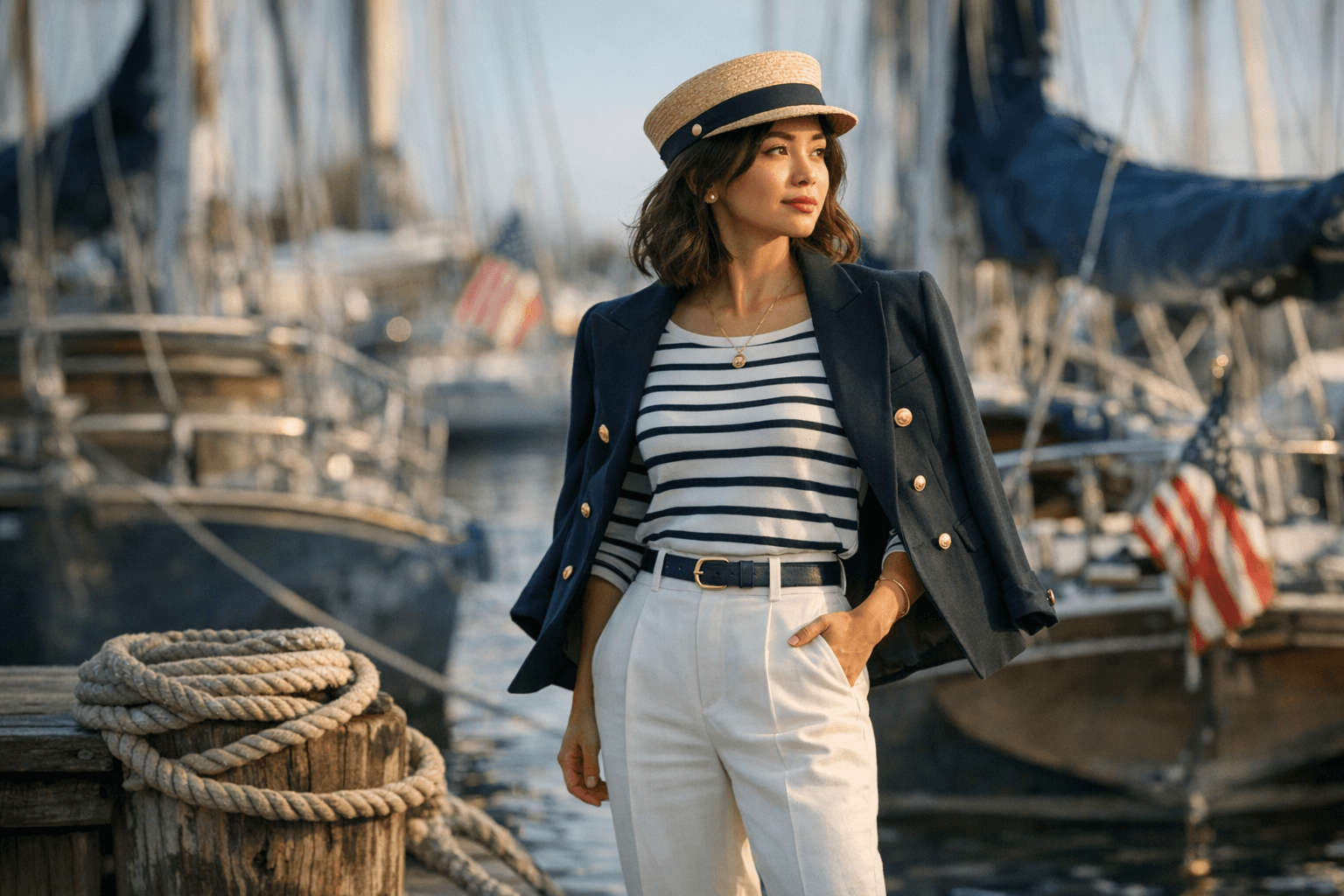
A high-waisted midi skirt paired with a cropped top is one of the easiest ways to get the effect right. The waistband sits high enough to raise the visual starting point of the legs, and the cropped top stops the upper half from dropping too far down the body. The result is not just flattering, it is clean. The figure looks stretched, even when the outfit is simple.
This is where petites should be ruthless about length. Tops that hit at the widest part of the hip can cut the body in half. Boxy sailor jackets can look charming, but only if they are cropped or tailored enough to preserve shape. The more the outfit marks the waist, the more the eye reads length. That is the whole trick.
The best silhouettes are long, not busy
Nautical style gets so much better on petites when the silhouette is elongated instead of segmented. A drapey midi skirt is especially useful because it keeps the line moving instead of ending abruptly at the knee. Soft movement also keeps the look from becoming stiff, which is exactly the problem when sailor details stack up too aggressively.
Tailoring matters here too. Petite-focused styling advice consistently leans on fit because oversized clothes can swallow smaller proportions fast. That does not mean every piece has to be tight. It means the shape needs intention. A slightly fitted top, a skirt with vertical flow, or trousers that skim rather than puddle can all preserve the body line while still giving you the seaside mood.
Think of it this way: structure at the waist, softness below, and as little visual interruption as possible. That is what makes the look feel modern. It is also what keeps it from reading like a costume pulled from a harbor gift shop.
Why nautical keeps coming back
This aesthetic has real fashion history behind it, not just a seasonal mood board. Gabrielle Chanel opened a boutique in Deauville in 1912, and within five years her use of jersey fabric and accessories was attracting wealthy patrons. During World War I, the Metropolitan Museum of Art says she introduced a feminized version of the sailor’s dress code, turning practical clothes into something women actually wanted to wear.
That history is why nautical never really disappears. It started with utility, moved into elegance, and keeps returning because the codes are recognizable and easy to remix. The seaside references, the striped textiles, the navy-and-white palette, they all carry instant shorthand. For petites, the challenge is not whether the look belongs in your closet. It is whether you wear it with enough discipline to keep the proportions sharp.
Why the petite edit matters now
The broader market makes this conversation bigger than a niche styling note. Statista puts 2026 U.S. apparel revenue at US$373 billion, with women’s apparel alone at US$196 billion, the largest segment in the market. Petite shoppers are a meaningful part of that spend, which is exactly why proportion advice deserves to be practical, not vague.
And practical is the point of the spring nautical edit. One stripe. One sailor detail. One defined waist. One long line. That formula keeps the look crisp, leggy, and wearable, which is exactly what a petite wardrobe should be doing when the weather turns warm.
This article was produced by Prism’s automated news system from verified source data, official records, and press releases, then run through automated quality and moderation checks before publishing. The system is built and supervised by the people who set the standards it runs under. Read our full AI policy.
Did this article answer your question?