Harajuku streetwear guide maps Tokyo’s most inventive style district
Harajuku still works because it is streetwear infrastructure, not nostalgia, with a walkable route from Takeshita-dori to Omotesando anchored by Laforet Harajuku.
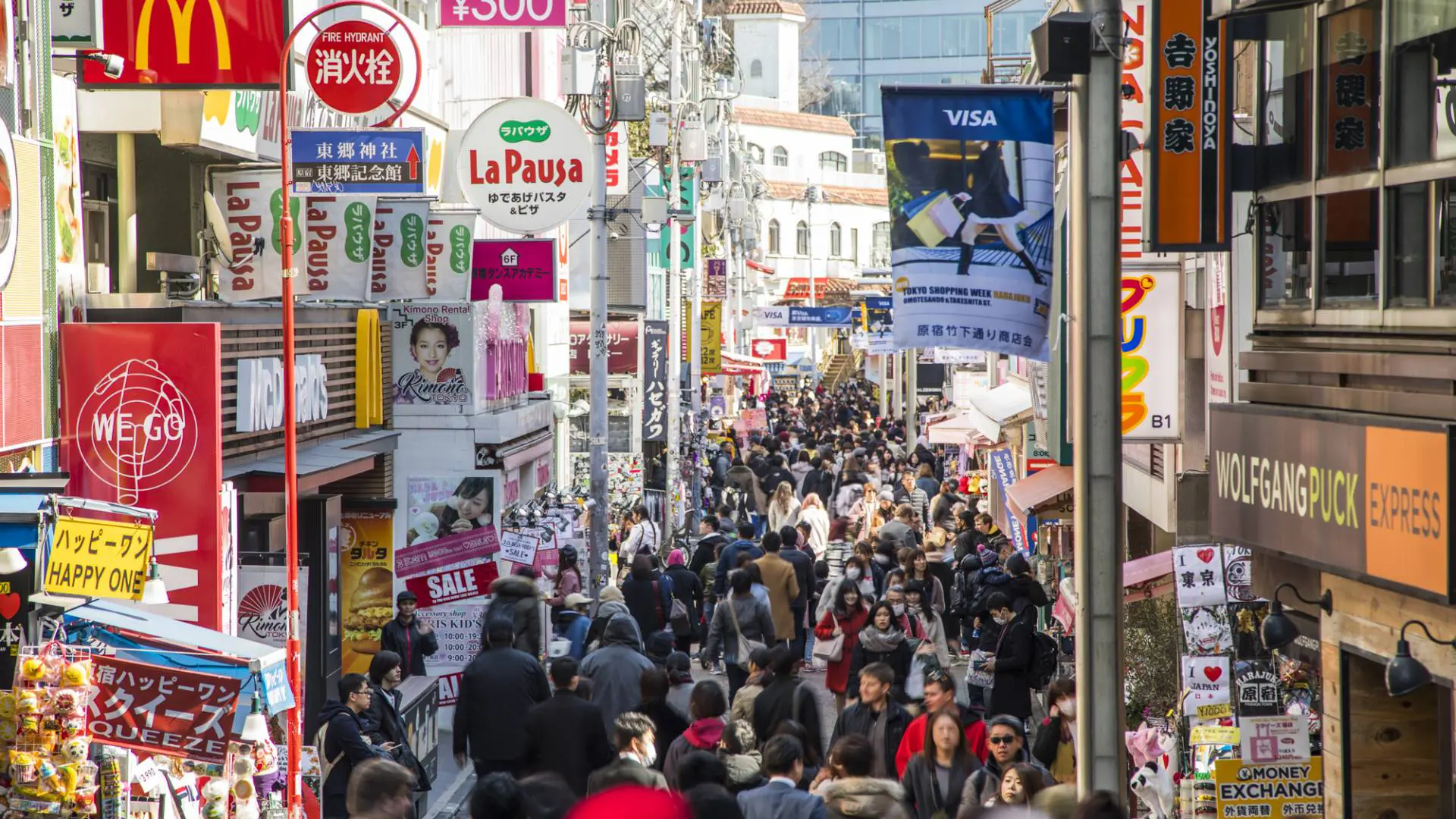
Harajuku still makes sense as a place to go because it is built like an ecosystem, not a monument. You can start at Harajuku Station, move into the dense youth energy of Takeshita-dori, cut through Laforet Harajuku for multi-brand discovery, then drift toward Omotesando as the silhouettes get cleaner and more architectural. That short loop is the whole point: Harajuku gives streetwear a physical route, a set of visual codes, and enough overlap between shopping, tourism, and subculture to keep style feeling alive.
Harajuku as a working map
Harajuku is one of the few neighborhoods where streetwear can be read block by block. On the loud side, you get playful graphics, oversized fits, and accessories that skew experimental. A few minutes later, the palette tightens up, the lines sharpen, and suddenly the same streetwear vocabulary is speaking a more polished language. That shift is why the district keeps producing ideas instead of just recycling looks.
GO TOKYO’s Harajuku guide is useful because it treats the area as walkable fashion terrain, not a vague style symbol. That matters in a city where context changes fast: a hoodie, cargo pant, or sneaker can look entirely different depending on whether it is styled against Takeshita-dori’s visual noise or Omotesando’s minimalist calm. Harajuku works because it forces that comparison in real time.
Start where the district gets loud
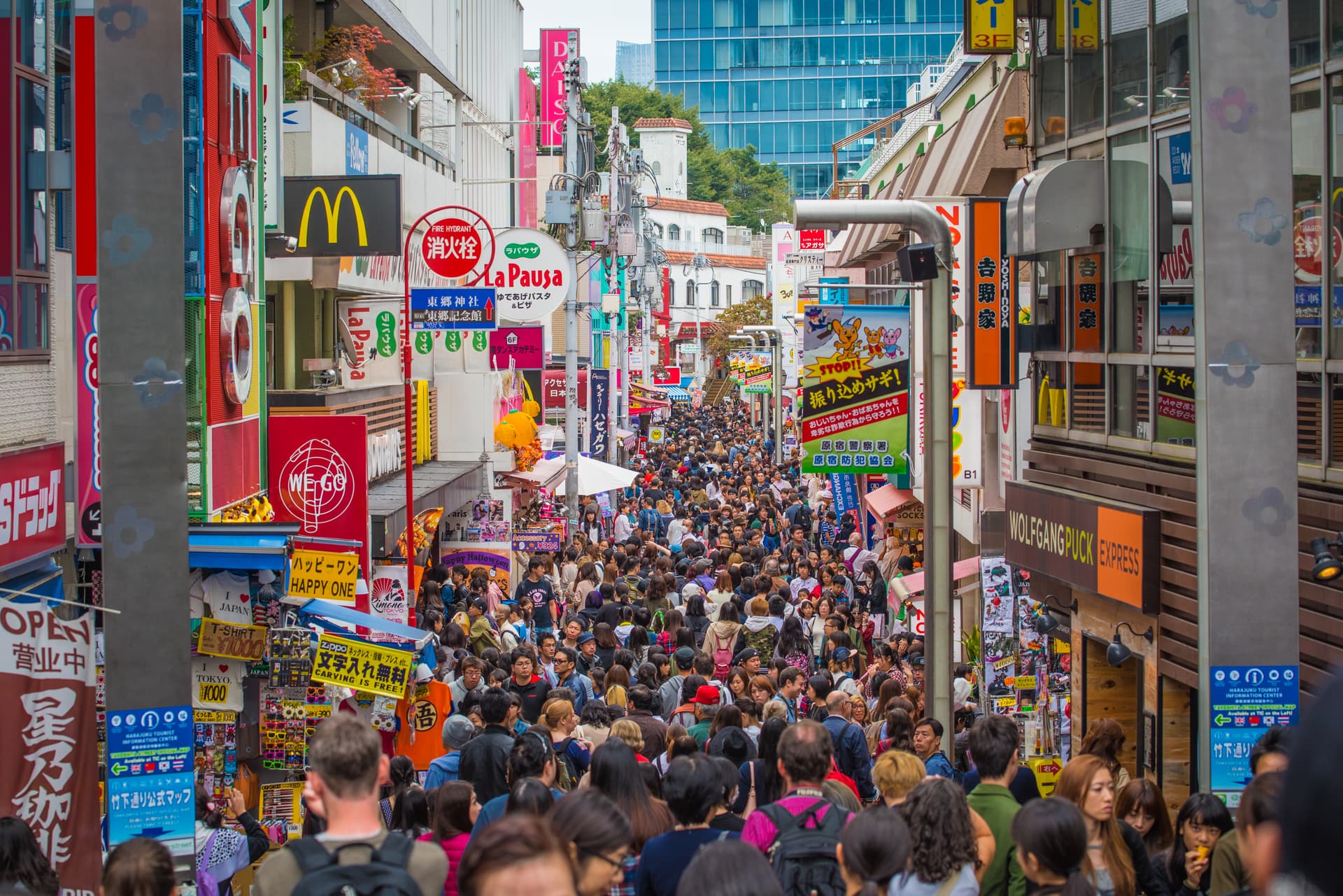
Takeshita-dori, often called Takeshita Street, is still the fastest way to understand Harajuku’s youth-fashion pulse. The street’s energy is dense, colorful, and intentionally overstated, which is exactly why it keeps feeding streetwear ideas back into the broader market. The styling here leans into oversized proportions, graphic layers, and the kind of accessories that look slightly mischievous rather than polished.
That visual pressure is part of Harajuku’s function. It is where a look can be tested in public, photographed, remixed, and re-entered into circulation almost immediately. The street does not just sell clothes; it sells a shared understanding of how to wear them.
Laforet Harajuku is the anchor, not the backdrop
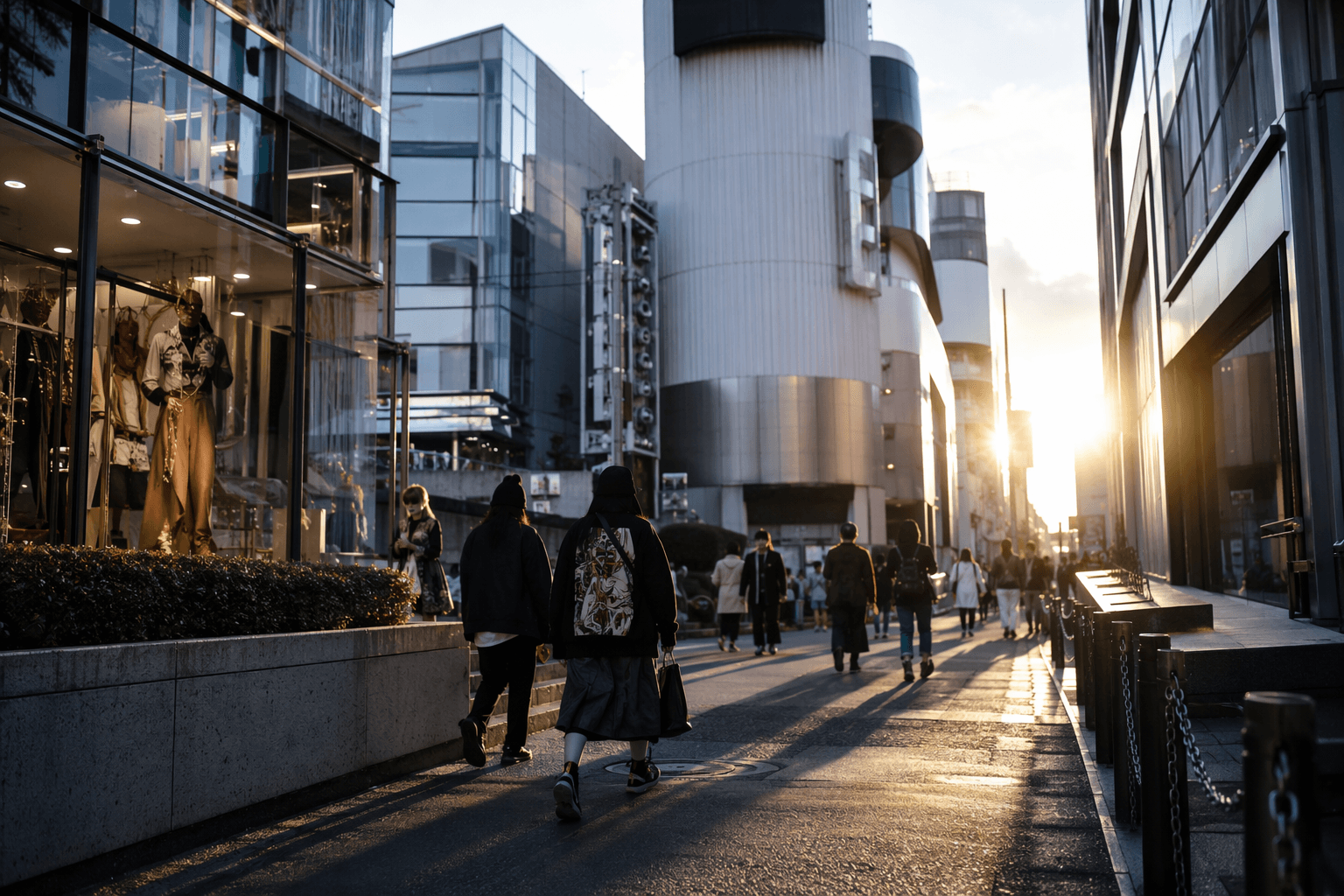
Laforet Harajuku is the district’s hard piece of infrastructure. It opened in 1978 at 1-11-6 Jingumae, Shibuya-ku, Tokyo 150-0001, and its opening hours run from 11:00 to 20:00. The building is not just another mall with a fashion label slapped on it. Its floor guide includes Laforet Museum Harajuku on the 6th floor, which tells you everything about how the place operates: commerce, curation, and culture are packed into the same address.
That history matters. A Harajuku history page says that around the time Laforet opened, Harajuku became widely known as a fashion and apparel hub and a hotbed of trends. Another source describes the district as blossoming into a style mecca in the 1970s as youth culture shifted from Shibuya to Harajuku. In other words, Laforet did not arrive in a fashion district by accident. It helped formalize the district as a place where style could be discovered, not just consumed.
Why the archive still feels current
Harajuku’s reputation did not come from a single era and then freeze. Background sources describe it as a youth fashion center through the 1970s and 1980s, and an academic abstract places Harajuku in the 1990s as a youth fashion street in Tokyo. That same abstract looks at how its image was formed and commodified through street snaps and popular magazines, which is exactly why the neighborhood still feels so media-savvy. Harajuku learned early how to turn local style into something visible, repeatable, and aspirational.
That visibility is still one of its strongest assets. Photographers, shoppers, secondhand hunters, local boutiques, and tourists all feed the same loop. The district keeps generating style because it is constantly being seen, photographed, and reinterpreted by different people at once.
Omotesando is where the language gets cleaner
If Takeshita-dori is the chaotic front line, Omotesando is where Harajuku’s streetwear vocabulary gets translated into something sharper. The transition is not a contradiction; it is the district’s best trick. One stretch gives you loud graphics and playful excess, the next gives you structured outerwear, cleaner layering, and a more design-forward approach to casual dressing.
That crossover is the reason Harajuku has influenced how people combine streetwear with elevated basics. It teaches contrast in real space: baggy against tailored, cartoonish against architectural, thrifted against premium. The district does not force one look. It shows you how to build tension into an outfit and make it feel intentional.
Why Harajuku still matters
A fashion-tech news piece described Laforet Harajuku as having 45 years of innovation and a creative trajectory for the future, and that is the right way to think about the district overall. Harajuku matters because it is still functioning as retail infrastructure, visual reference point, and subcultural crossing zone all at once. The neighborhood gives streetwear more than a mood board. It gives it a map, and maps are what keep style moving.
This article was produced by Prism’s automated news system from verified source data, official records, and press releases, then run through automated quality and moderation checks before publishing. The system is built and supervised by the people who set the standards it runs under. Read our full AI policy.
Did this article answer your question?