Willi Smith’s vision helped define streetwear before the hype era
Willi Smith was building streetwear’s logic in 1976, long before hype made it a market. His clothes turned comfort, movement, and city life into style.
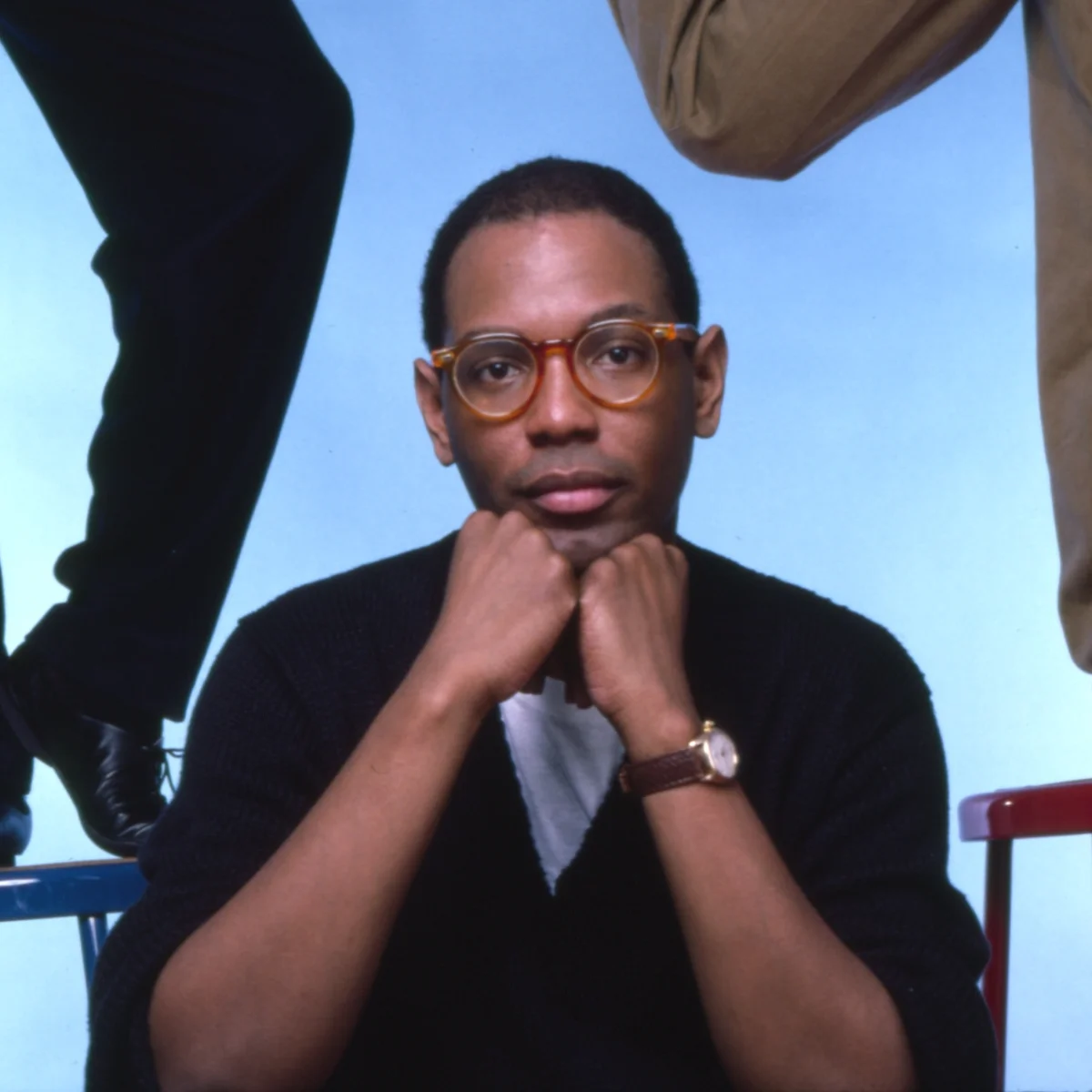
When Willi Smith founded WilliWear Limited with Laurie Mallet in 1976, American fashion was still split into neat compartments, with luxury, sportswear, and youth dressing kept apart. Born in Philadelphia on February 29, 1948, and gone by April 17, 1987, Smith was designing from a city vocabulary of motion, ease, and everyday realism. He belongs at the start of streetwear’s story because he understood something the sneaker-skatewear myth leaves out: the most useful clothes are often the most modern ones. Smith cut straight through those walls.
Why Willi Smith reads like streetwear before streetwear had a name
The Philadelphia Museum of Art calls him the designer who coined “streetwear” and made stylish, affordable clothes. He was not chasing preciousness. He was making clothing for people who moved through the city, not around it, and that makes his work feel uncannily current.
Cooper Hewitt, Smithsonian Design Museum described Smith’s mission as solving “the problem of getting dressed,” the gap between fashion and the many ways people actually live. That idea sits at the center of streetwear now, from roomy outerwear to relaxed trousers, from easy layering to garments that can go from morning to night without a costume change. Smith’s version of that logic came from a belief that clothing should be adaptable, affordable, and able to liberate people from stereotypes of race, class, sex, and gender.
The Smith formula: movement, utility, and downtown ease
Smith was working in the mid-1970s, when a lot of American fashion still prized separation: this was for the office, that was for the runway, something else entirely for the street. His answer was clothing that could travel across those categories without apology. The result was a wardrobe that favored motion and flexibility, the same qualities that now define the best streetwear.
Streetwear is often reduced to logos and resale language, but its real grammar is practical. It is about silhouettes that let you move, fabrics that feel good against the body, and clothes that look deliberate even when they feel casual. Smith was already there. His work treated style as a daily tool, not an occasional event.
Cross-cultural dressing was part of the design, not an afterthought
The National Museum of African American History and Culture identifies him as an African American designer whose innovations in fashion and sportswear spanned cultures and geographies. Streetwear did not come from one scene alone; it grew because different communities kept borrowing, mixing, and reworking the same easy garments.
Smith made room for that kind of exchange by treating clothing as something social as well as functional. His collaborations with Bill T. Jones, Nam June Paik, and Christo and Jeanne-Claude show how comfortably his brand moved between fashion, performance, and contemporary art.
Bethann Hardison and the street-style eye
One of the sharpest stories about Smith comes from model Bethann Hardison, whom he spotted on the corner of Broadway and 40th Street. He thought she looked like a designer and brought her into his orbit after noticing her sporty look. Hardison later remembered, “At that time, my style wasn’t very girly. It was just really sporty.”
He was reading the street before street style became a content category. Hardison’s look was casual, athletic, and unforced, and Smith recognized that as a form of taste rather than a lack of it.
What to notice when you look at Smith’s legacy now
Smith’s influence is easiest to spot in the kinds of clothes streetwear keeps returning to:
- relaxed fits that prioritize movement over stiffness
- adaptable separates that can be mixed across dress codes
- sportswear references used as everyday clothing, not novelty
- a sense that fashion can be democratic without becoming dull
- cross-cultural references that make a wardrobe feel lived-in, not locked to one scene
Why museums keep bringing him back
The reassessment of Smith has not been casual. Cooper Hewitt mounted Willi Smith: Street Couture, which was on view through October 25, 2020, and in March 2020, as COVID-19 shut down New York City, the museum created a digital community archive so audiences could continue engaging with his work online.
This article was produced by Prism’s automated news system from verified source data, official records, and press releases, then run through automated quality and moderation checks before publishing. The system is built and supervised by the people who set the standards it runs under. Read our full AI policy.
Did this article answer your question?