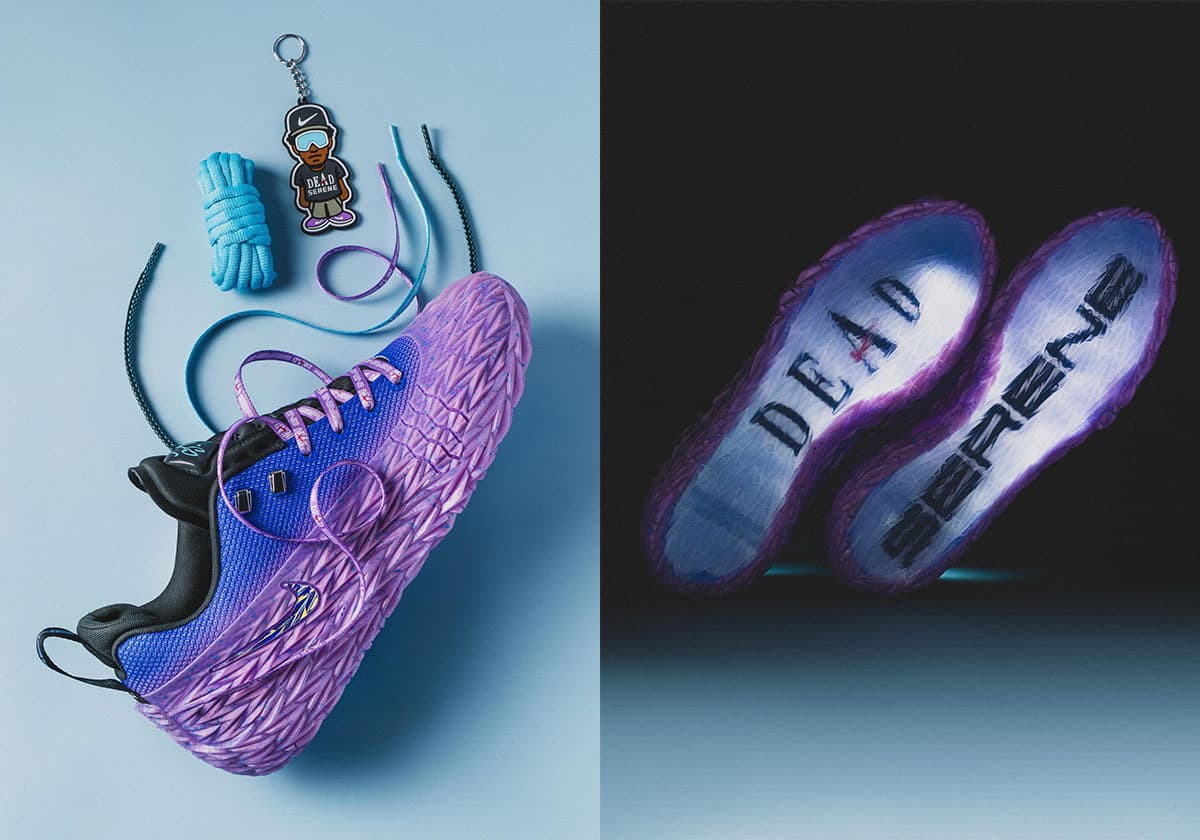
Why hybrid sneakers and trail details keep winning city wardrobes
City wardrobes keep choosing hybrid sneakers because they solve real life: wet sidewalks, long commutes, and outfit changes without a shoe swap.
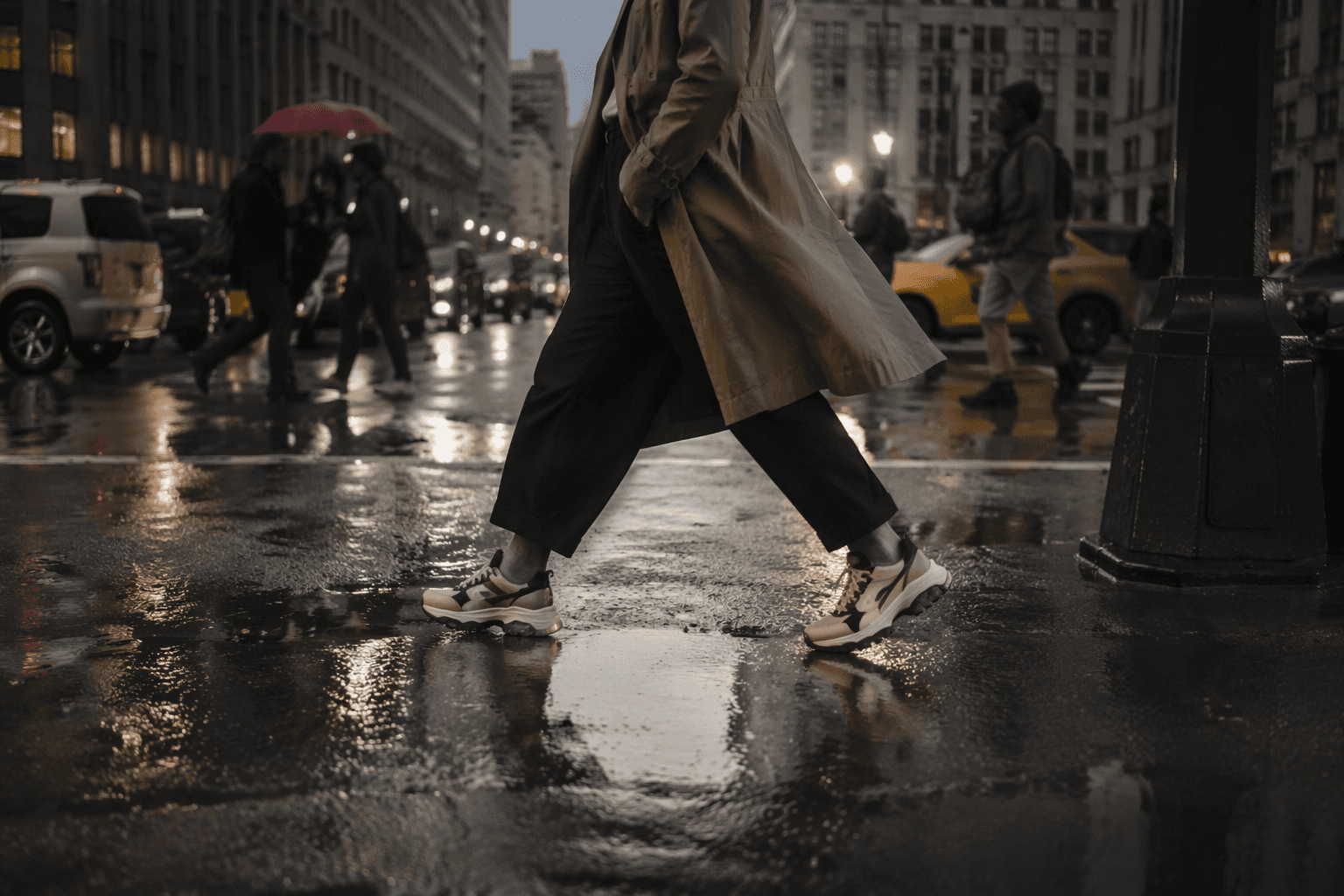
The city keeps picking the shoe that can take a hit
Hybrid sneakers win because they look like they were built for a weather report, not a mood board. The trail sole gives you bite on slick pavement, the upper mixes mesh, ripstop, and overlays so it can breathe and protect at the same time, and the modular bits make the shoe feel adjustable instead of precious. That is exactly the kind of logic city dressing rewards: one pair that can handle a subway platform, a cross-town walk, an airport floor, and still look sharp with nylon pants or loose denim.
This is not novelty for novelty’s sake. It is the modern version of useful. In a wardrobe where people want sneakers that survive commuting, travel, and long days on foot, the appeal is obvious: fewer compromises, fewer backups, more mileage out of one silhouette. The shoes that keep winning are the ones that look technical without looking costume-y, rugged without looking bulky, and styled-up without losing their grip.
Why trail DNA reads as city polish
Trail details work in the city because they signal function without forcing you into full outdoor gear. A lugged outsole looks tougher than a flat cupsole and gives that slight visual aggression streetwear likes, but it also earns its keep when sidewalks are wet or the day runs long. The shape is part sneaker, part equipment, which is exactly why it pairs so well with oversized tailoring, cargo trousers, and cropped technical outerwear.
The strongest examples usually borrow from running and hiking rather than classic basketball or skate templates. Think Salomon XT-6, a shoe that sits around the $180 mark and has become a shorthand for trail-informed street style; Nike ACG Mountain Fly 2 Low, which lands near $170 and pushes the look into more aggressive terrain; or Hoka Speedgoat 6, usually around $155, where the padded ride and maximal sole make the silhouette feel more like a moving platform than a standard runner. New Balance 610 and ASICS GEL-SONOMA lines have also fed that same appetite at lower price points, which matters because not every city shoe needs luxury pricing to look current.
What makes these sneakers feel right now is that they do not ask the wearer to choose between comfort and attitude. They give you both. That balance is why they keep showing up under long coats, tech shells, and wide trousers instead of getting stuck in the hiking aisle.
The details that actually matter
The best hybrid pairs have a few things in common, and none of them are decorative. The uppers often use layered mesh, synthetic overlays, or ripstop panels to keep air moving while adding abrasion resistance where city wear chews through fabric first. GORE-TEX and similar waterproof membranes keep appearing because people are not dressing for a fantasy weekend in the mountains. They are dressing for rain, slush, and the kind of commute where one bad block can ruin your socks.
Then there are the modular details, which are quietly the smartest part of the whole trend. Quick-lace systems, toggle closures, lace shrouds, heel pulls, and removable gaiters make the shoe easier to dial in and cleaner to style. A lot of these details started as performance solutions, but in the city they do something else: they make the sneaker look intentional. The shoe seems engineered, which is fashion speak for credible.
You can see why that matters in streetwear. Clean lines age fast; utility reads longer. A sneaker with a webbed lace cage or a zippered shroud can look future-facing with tech pants, then land just as well with vintage jeans and a hoodie. That versatility is the whole game.
What to look for when you are actually buying
If you live in these shoes, start with the outsole. Deeper lugs are not just for trail fantasies. They give you traction on wet crosswalks, stained station stairs, and all the random bad surfaces that make city walking more annoying than it should be. After that, check the upper construction: the more layered the shoe, the more likely it is to hold its shape and keep looking good after real wear.
- Choose ripstop or reinforced mesh if you want something lighter and easier to wear in warm months.
- Choose waterproof or water-resistant builds if your day includes trains, cabs, and bad weather.
- Choose a quick-lace or toggle system if you want speed and a cleaner visual line.
- Choose a slightly beefier midsole if you spend hours standing, walking, or traveling.
Price matters here, too. Around $100 to $120, models like the New Balance 610 or some ASICS trail-leaning runners give you the trend without the premium tax. In the $150 to $180 range, brands like Hoka, Salomon, and Nike ACG push more material complexity and a more distinct silhouette. That higher price usually buys you better construction and a more developed design language, which is why those pairs keep appearing in actual wardrobes instead of just on mood boards.
How to style them so they look intentional
The easiest move is to let the sneaker do the technical work while the rest of the outfit stays clean. Wide trousers, a plain tee, and a shell jacket make the shoe look sharp without turning your whole fit into gear cosplay. If the sneaker has a chunky sole, keep the pant leg long enough to skim the upper; if it has a sleeker trail profile, cropped hems or cuffed denim help show the shape.
This is also why hybrid sneakers work so well with travel clothes. They go from terminal to dinner because they already live between categories. A reflective panel, a rubberized toe, or a sculpted outsole can look like design rather than practicality when paired with a good coat and a strong silhouette. That is the sweet spot streetwear keeps chasing: something rugged enough to earn its place, polished enough to feel chosen.
Why they keep winning
The city does not reward fragile sneakers. It rewards the pair that can take weather, distance, and daily repetition without collapsing aesthetically. Hybrid sneakers and trail details keep winning because they solve for the way people actually move now: commuting, traveling, standing, rerouting, and dressing once for a whole day instead of an occasion. The shoes that last in city wardrobes are the ones that understand the assignment before you even lace them up.
This article was produced by Prism’s automated news system from verified source data, official records, and press releases, then run through automated quality and moderation checks before publishing. The system is built and supervised by the people who set the standards it runs under. Read our full AI policy.
Know something we missed? Have a correction or additional information?
Submit a Tip