AAFA urges Pakistan to expand Better Work across apparel factories
Worker protections are now a sourcing issue in Pakistan. AAFA and FLA say Better Work steadies factories, buyer confidence and export access.

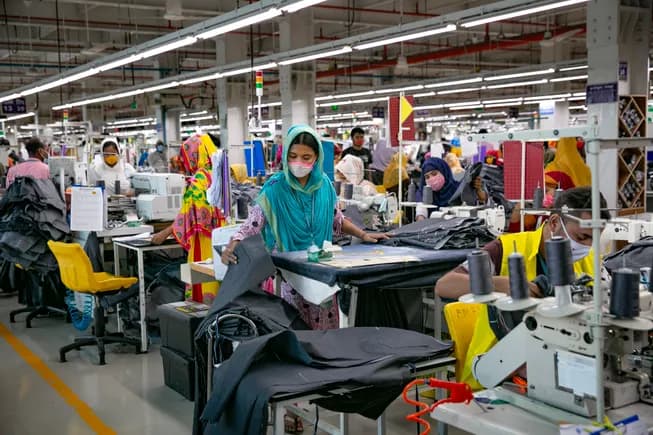
Worker protections are now part of Pakistan’s sourcing infrastructure. Better Work Pakistan covers 118 factories and 289,554 workers across Sindh and Punjab, with activity in Karachi, Faisalabad and Lahore, and it has the backing of 19 brand and retail partners. For AAFA and the Fair Labor Association, keeping that system alive is not charity; it is how brands protect orders, limit reputational risk and keep a major apparel hub reliable.
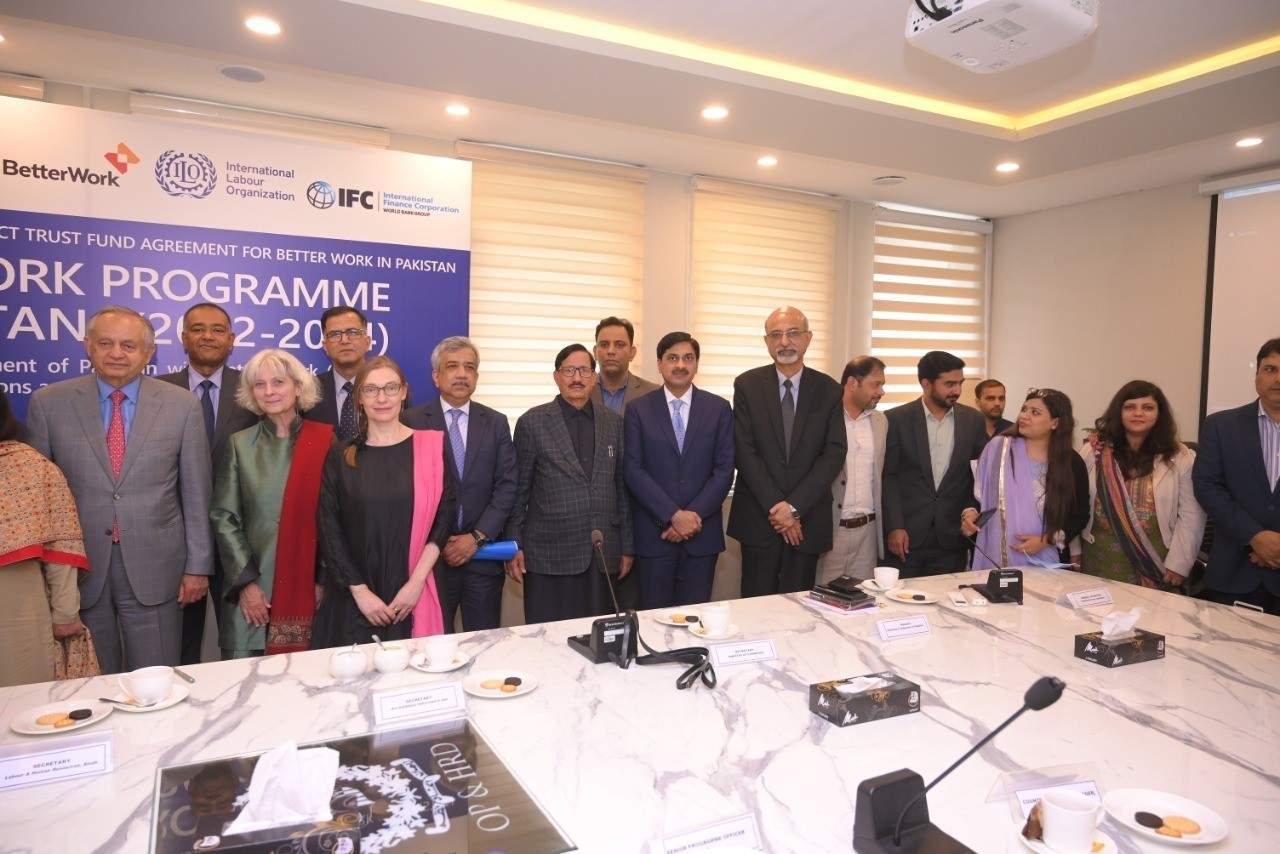
The program began in 2022 after a March 9 memorandum of understanding between the International Labour Organization and the Government of Pakistan, at a ceremony presided over by Muhammad Ayub Afridi, adviser to the prime minister on OPHRD. Launched as a three-year pilot and later extended by a no-cost extension through December 2025, Better Work was built to improve working conditions and business competitiveness in at least 120 factories, or 150 with the extension. The ILO says the program was also meant to help Pakistan stay aligned with EU GSP+ and U.S. trade preferences, a reminder that labor standards sit directly inside trade strategy, not outside it.
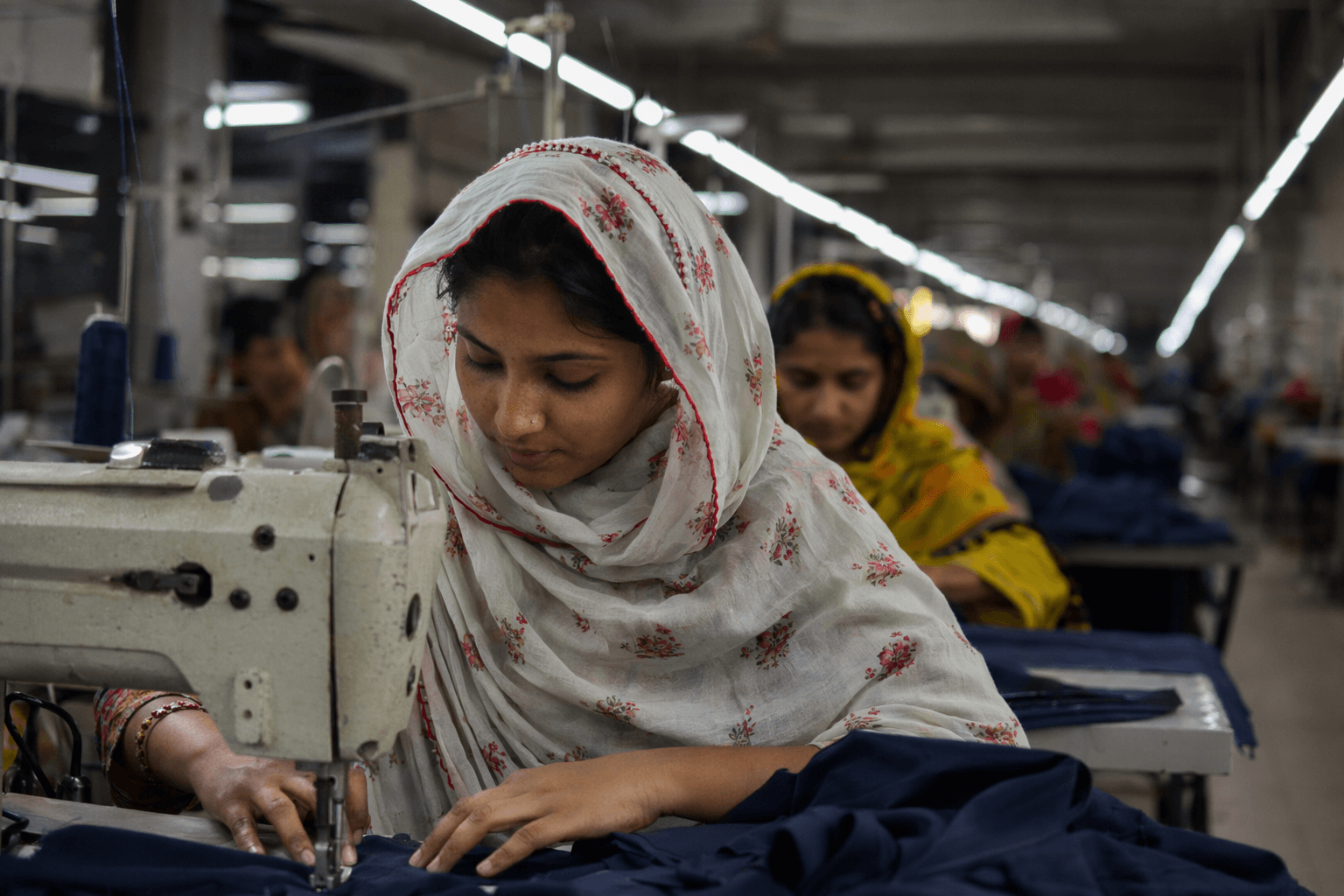
The scale of what is at stake is hard to miss. Pakistan’s textile and ready-made garment sector is the country’s largest employer after agriculture and its largest contributor to GDP, and clothing exports to the European Union rose more than 46% in 2022 to more than US$2.5 billion. In a May 5 letter to Abbas Mehdi, executive director of Pakistan’s Export Development Fund, AAFA and FLA said their memberships include hundreds of American, European and Canadian buyers sourcing from Pakistan, and argued that Better Work helps steady confidence at a moment of uncertainty around tariffs, market access and regulatory requirements.
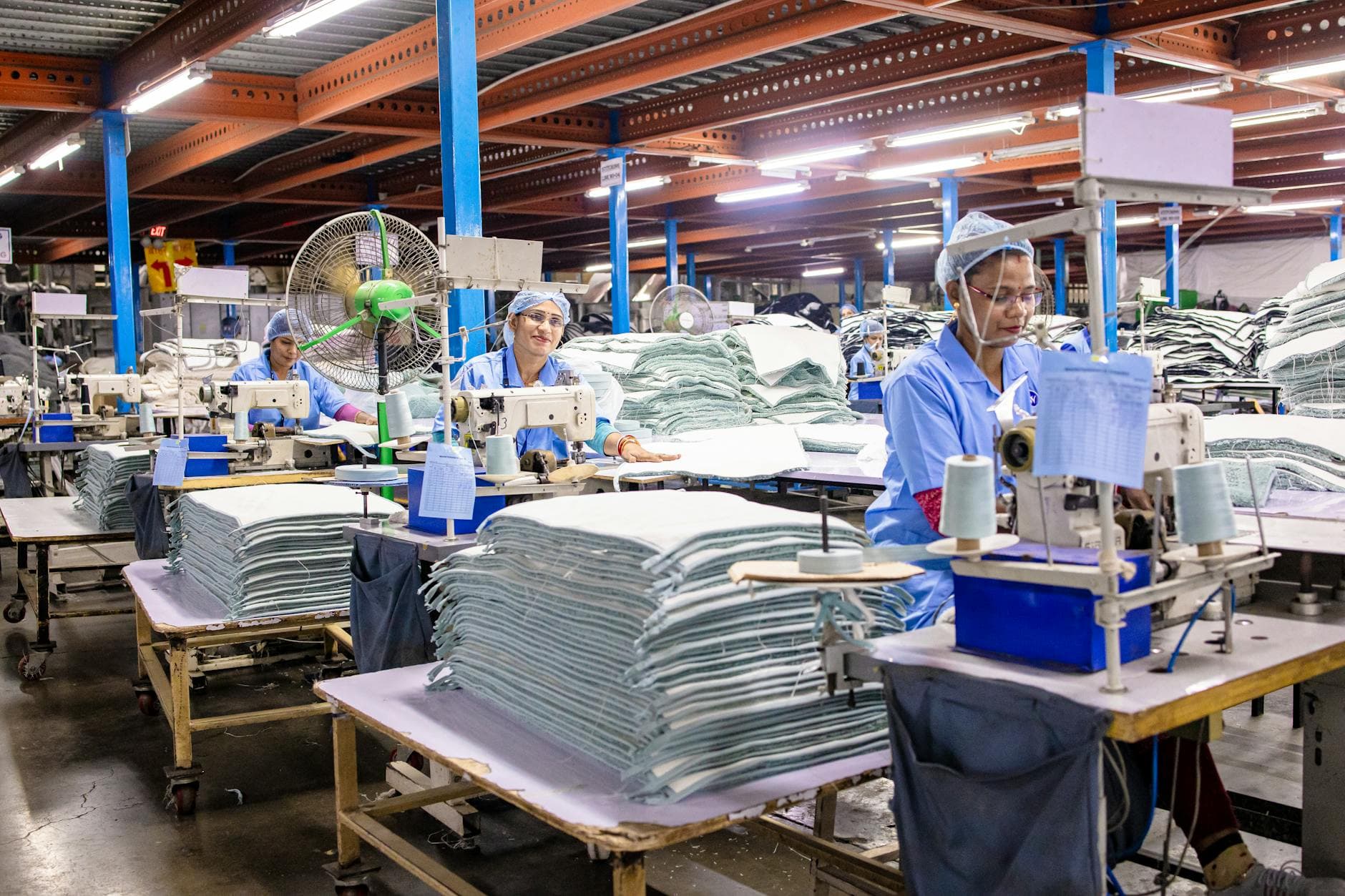
The ILO evaluation of the program gives the clearest picture of what happens inside factories. Managers generally value Better Work’s advisory approach, workers say it helps them raise their voice through workplace committees, and brand partners see it as useful for meeting labor standards. They also want sharper factory transparency and more reliable compliance reporting, a sign that the program’s next phase will be judged less by promises than by whether it can make scrutiny easier for buyers and more useful for suppliers. With funding tied to Pakistan’s Export Development Fund, the European Commission and Australia’s Department of Foreign Affairs and Trade, Better Work has become one of the few places where labor rights, export competitiveness and brand risk sit on the same hemline.
This article was produced by Prism’s automated news system from verified source data, official records, and press releases, then run through automated quality and moderation checks before publishing. The system is built and supervised by the people who set the standards it runs under. Read our full AI policy.
Did this article answer your question?