Cheap cotton T-shirts keep squeezing wages and safety, report says
A cotton T-shirt still lands in Europe for $2.67 on average, and 61% of EU imports are made in Bangladesh, where wages and safety absorb the squeeze.
Public Eye and Clean Clothes Campaign released a report on May 21, 2026, showing that many buyers still source a standard cotton T-shirt for about $2 to $3 apiece. The cheapest orders in parts of the market still fall below $1, and that is where the real damage starts: there is almost nothing left in the price for safe factories, decent pay or any breathing room when costs rise.
The numbers are blunt. In 2025, the average EU import price for a cotton T-shirt was $2.67, or €2.36. Bangladesh-sourced cotton T-shirts averaged $2.06, or €1.83, and Public Eye says 61% of cotton T-shirts imported into the EU are made in Bangladesh. That makes the country the pressure valve for Europe’s plainest wardrobe staple, the white crewneck and black basics that look effortless on the rack but are priced like an afterthought at the factory gate.
The report’s point is not just that prices are low. It is that they have barely moved. Over the past five years, the six highest-volume buyers of cotton T-shirts from Bangladesh included Inditex, Primark and H&M, and none of them increased sourcing prices in line with global inflation. Brands set fixed target prices, then move on if one factory refuses. That leaves suppliers taking orders that do not reflect the cost of responsible production, and the first line items to get cut are workplace safety, wages and any extra staffing needed to avoid forced overtime.

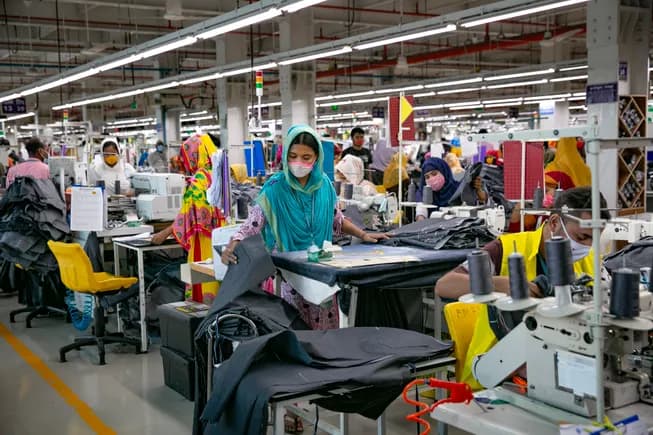
Bangladesh’s ready-made garment sector employs roughly 4 million workers, and its 8,000 taka minimum wage, set in 2019, was already too low for a decent living when it took effect. In that context, Kalpona Akter of the Bangladesh Garment and Industrial Workers Federation is right to push the argument past sentiment: higher prices are needed if living wages, safe workplaces and sustainable production are going to exist at all.
Most of the major buyers challenged the figures when approached, while Fast Retailing did not. H&M said the numbers did not match its internal systems. That pushback matters, but it does not change the unit economics the report lays out: a model built on fixed targets and relentless price pressure cannot produce safer factories if the cheapest line in the order sheet keeps being labor.

The cleaner fix is not another glossy pledge. It is a purchasing system that puts labor costs and safety into the price before the order is written, then keeps those costs protected when inflation moves. Until brands stop treating the T-shirt like a race to the bottom, the savings will keep showing up exactly where fashion can least afford them, in wages held down and protection stripped out.
This article was produced by Prism’s automated news system from verified source data, official records, and press releases, then run through automated quality and moderation checks before publishing. The system is built and supervised by the people who set the standards it runs under. Read our full AI policy.
Did this article answer your question?