Future Fabrics Expo Brussels spotlights traceability, circularity and biosynthetics
Brussels Expo turned into a sourcing test for 2026, with biosynthetics debuting beside traceability and recycling as Europe tightens textile rules.
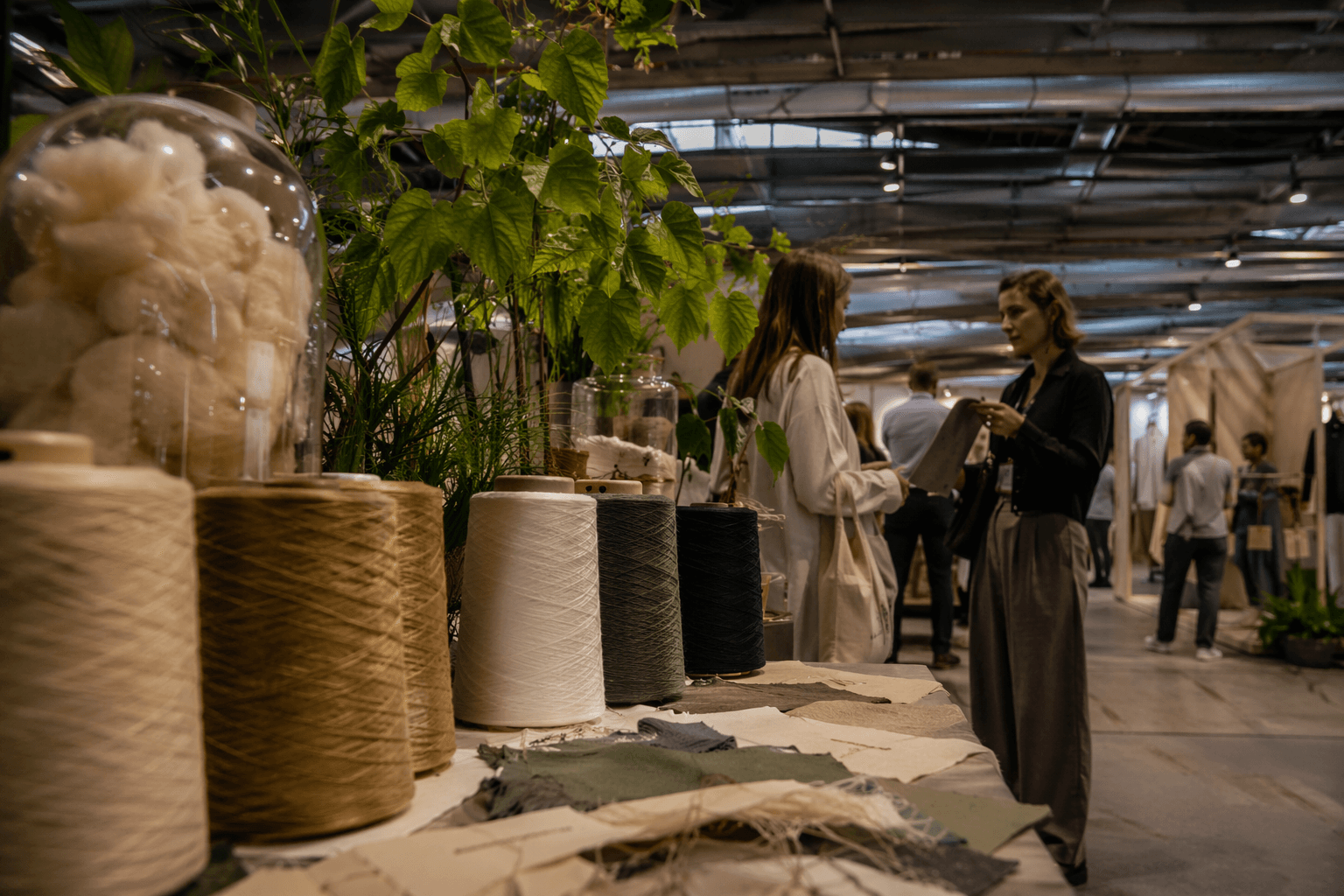
Brussels Expo turned into a sourcing checkpoint on 24 and 25 June, when Future Fabrics Expo put traceability, circularity and regenerative sourcing at the center of the buying conversation and gave biosynthetics dedicated space for the first time. For brands and mills trying to move sustainability from mood board to purchase order, the signal was clear: the next fabric decision is no longer just about hand feel or price, but about proof.
The Brussels edition drew its force from proximity. It ran alongside the Textiles Recycling Expo, creating one meeting point for materials, recycling and circularity across the textile value chain. The recycling fair pulled in 5,607 visitors, more than 169 exhibitors and 71 speakers, with names spanning H&M, On, Volkswagen, DHL, Shein, Textile Exchange, Primark, Fashion for Good, the European Commission, the European Environment Agency, UNEP and EURATEX. That is not a soft sustainability crowd. It is the industry’s buying, sorting, policy and logistics apparatus in one hall.
Europe’s policy backdrop made the timing sharper. The European Commission adopted the Ecodesign for Sustainable Products Regulation on 13 June 2024, giving Brussels a framework for product-specific ecodesign rules. Its textiles strategy points toward longer-lasting garments, easier repair and recycling, a Digital Product Passport, harmonized extended producer responsibility rules and tighter controls on textile waste exports. The European Environment Agency says textile consumption is the fourth-highest environmental and climate pressure in Europe, behind food, housing and mobility, and its 2025 briefing put EU textile use at 19 kg per person in 2022, up from 17 kg in 2019. The Commission also adopted measures on 9 February 2026 to prevent the destruction of unsold apparel, clothing accessories and footwear.
That pressure explains why Brussels read less like a showcase than a procurement audition. Euratex general director Dirk Vantyghem had already warned at the first Brussels recycling expo in 2025 that only 7% of fibres were recycled, a figure that hangs over every conversation about textile-to-textile scale. Aurel Ciobanu-Dordea had also told delegates that the Commission was aiming to bring ecodesign rules forward and expected consultation on the Circular Economy Act to start in early July 2025.
Biosynthetics brought the most obvious commercial tension. Hyosung TNC said it would present its Bio BDO story in Brussels and join a panel on moving from petrochemical to bio-based feedstocks; the company also said its Vietnam investment could produce up to 50,000 tons of bio-BDO by the end of 2026. That kind of capacity matters, but it will only become procurement-ready if traceability holds, recycling systems expand and the industry can verify regenerative inputs without greenwash. Brussels made the bottlenecks visible, and that is what buyers needed.
This article was produced by Prism’s automated news system from verified source data, official records, and press releases, then run through automated quality and moderation checks before publishing. The system is built and supervised by the people who set the standards it runs under. Read our full AI policy.
Did this article answer your question?


