Adidas tops Kantar sustainability ranking as shoppers reward credibility
Adidas landed third overall in Kantar’s new ranking, but shoppers are judging “sustainable” by labor abuse, chemicals and overproduction, not brand rhetoric.
Adidas did not take Kantar’s first consumer-led sustainability ranking because it had the cleanest supply chain on paper. It rose because shoppers believe it, and that credibility is now part of the score. In a market where brand heat can drive price power as much as product, that is the real tell: sustainability is no longer just a compliance story, it is a value story.
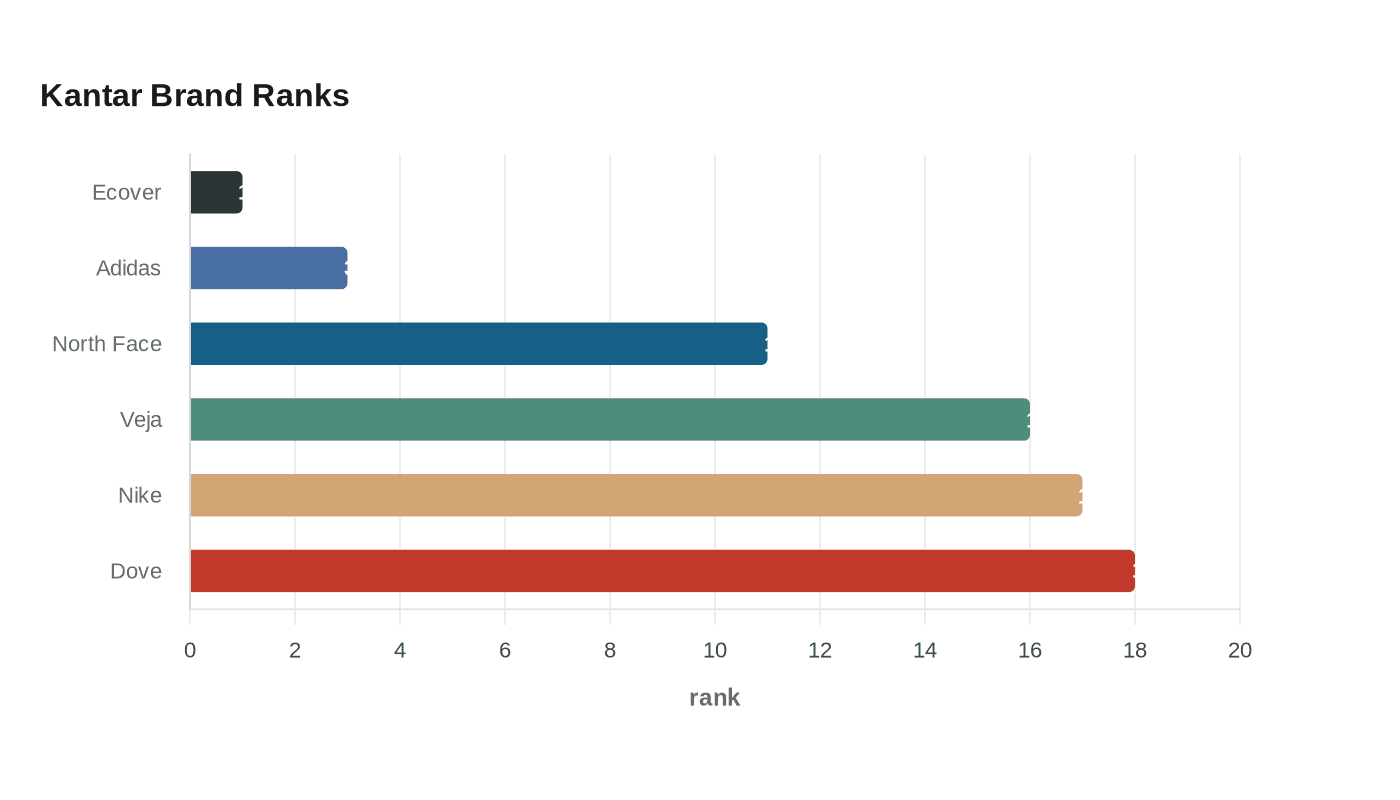
Kantar placed Adidas third overall across all categories, making it the highest-ranked fashion and sportswear name in the study. Ecover took first place overall. The North Face came in 11th, Veja 16th, Nike 17th and Dove 18th, a spread that says as much about consumer trust as it does about any one label’s environmental record. Kantar said the ranking was not an ESG audit but a consumer-led measure built on what shoppers themselves think counts as sustainability in each category. More than 2,160 brands were assessed across 12 countries and 12 categories, based on surveys of over 18,000 people conducted in January 2026.

For clothing, shoes and fashion, the message was blunt. Consumers globally said child labour, sweatshops and worker exploitation matter most. Harmful dyes and chemicals came next, followed by overproduction and overconsumption. That is the part the industry keeps trying to style away with recycled tags, muted color palettes and vague climate language. Shoppers are not buying the mood board. They are looking straight at labor, chemistry and volume.
That is why Adidas matters here. The brand has spent years building a paper trail, publishing standalone Sustainability Reports from 2000 to 2016 and folding material non-financial information into its Annual Report from 2017 onward. Its 2025 Annual Report says supply-chain due diligence covers forced labor and child labor, while its 2025 sustainability materials say it cut carbon emissions per product by 9% versus 2022. Adidas also acknowledges that greenhouse-gas emissions from manufacturing remain a major contributor to its footprint, which is the kind of detail that separates real disclosure from seasonal virtue-signaling.
The pressure around those details is not theoretical. NGOs and watchdogs have kept hammering apparel supply chains over wages, child labor and working conditions, including criticism tied to Adidas in recent years. Kantar’s framing makes the commercial stakes clear: if consumers believe a brand is credible on sustainability, that belief can strengthen the brand itself. In other words, the ranking may end up influencing purchasing and pricing power faster than slower-moving emissions charts or labor disclosures ever do.
This article was produced by Prism’s automated news system from verified source data, official records, and press releases, then run through automated quality and moderation checks before publishing. The system is built and supervised by the people who set the standards it runs under. Read our full AI policy.
Did this article answer your question?


