AI turns secondhand fashion into a scalable wholesale market
AI is turning resale into retail infrastructure, not a side hustle. The hard part now is cleaning up data, grading, and authentication fast enough to keep margins real.
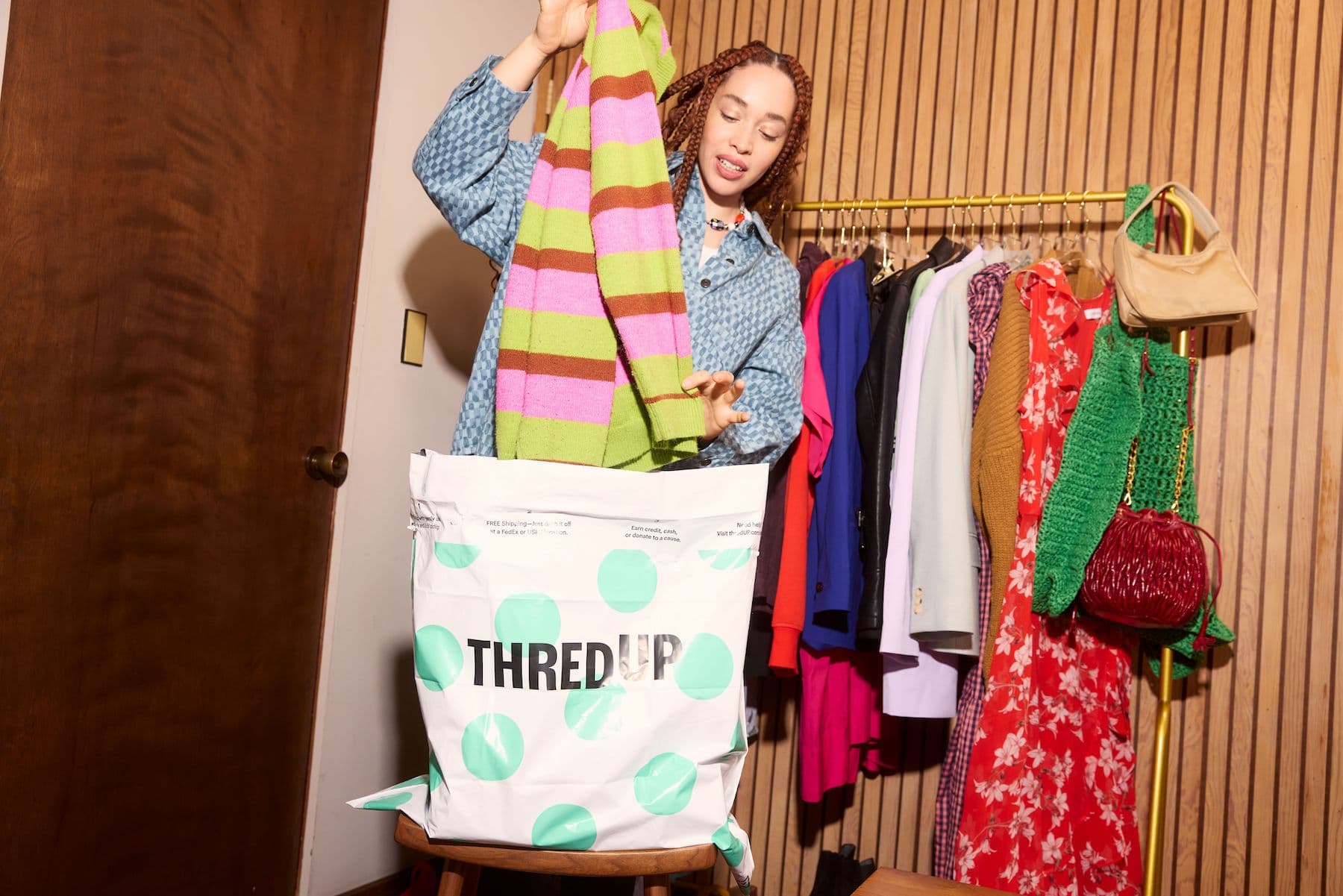
The first thing AI is doing to resale is stripping out the chaos. What used to be a grab bag of thrift finds, vintage one-offs, and brand-run deadstock is being reworked into a wholesale layer with rules, sorting, pricing logic, and inventory flow that look a lot more like core retail than a side project.
That is the real shift here: secondhand is no longer just a feel-good sustainability lane. It is becoming a system for moving product, and the brands that understand that are treating resale less like charity and more like a growth channel with teeth.
Secondhand is getting too big to treat casually
The numbers alone tell you why the market has changed shape. ThredUp says the global secondhand apparel market is expected to reach $367 billion by 2029, with the U.S. market hitting $74 billion by the same year. It also says the U.S. secondhand apparel market grew 14% in 2024, its strongest annual growth since 2021 and five times faster than the broader retail clothing market.
Then the forecast got even bigger. ThredUp’s 2026 Resale Report now projects the global secondhand market will reach $393 billion by 2030, and says Gen Z and Millennials will drive more than 70% of market growth through that year. That is not a quirky side economy. That is a consumer habit with scale, pace, and a customer base that will age into even more buying power.
Business of Fashion has been making the same structural point from a different angle: secondhand has existed for decades in thrift and vintage stores, but online resale changed the game by making used fashion easier to buy, sell, and distribute. Once that happened, the bottleneck stopped being demand. It became operations.
What AI actually fixes behind the scenes
This is where AI starts to matter in a way that is not just buzzword glitter. FashionUnited describes AI as helping secondhand move from a fragmented market into a scalable B2B wholesale layer, linking resale supply with retail demand. That matters because the ugly work in resale is not the listing, it is everything before and after it.
Matching is the first win. AI can help sort supply by brand, category, size, condition, and resaleability, so a pile of returns or samples does not sit as dead weight. Grading comes next, and this is where the business gets serious: condition assessment, quality tiers, and price bands can be standardized faster when the machine is doing the first pass instead of a human squinting at every seam.
Pricing is the other big lever. Used fashion is volatile by nature, and the old model of guessing value from instinct is too slow for a market this large. AI can read sell-through signals, historical demand, and brand heat to adjust price faster than a merchandiser doing it manually, which is exactly how resale starts to look less like a flea market and more like a wholesale channel.
Inventory forecasting might be the biggest prize of all. When brands can predict what returns, samples, and old stock are worth before they hit a warehouse floor, resale stops being an afterthought and starts behaving like a planning tool. That is the difference between clearing clutter and building an actual revenue stream.
The brands are chasing control, not just sustainability points
The most interesting part of this story is not that third-party platforms are big. It is that they are becoming so big they force brands to ask who actually owns the customer relationship. The Fashion People argues that brands are being cannibalized by platforms like Vinted, and says owning a resale channel is becoming necessary if brands want control over data, customers, and revenue.
That argument lands because Vinted is not a niche player. FashionUnited reported in April 2026 that Vinted’s gross merchandise value reached 10.8 billion euros, up 47% year on year, while revenue hit 1.1 billion euros. When a resale platform is growing at that scale, it is no longer just clearing closet clutter. It is capturing the attention, transactions, and repeat spend that brands would rather keep in-house.
The Fashion People’s own rise points to the same shift. WWD reported the startup was backed by £5 million in seed funding, which tells you investors are betting that resale is not just a marketplace play, but infrastructure for returns, samples, and old stock. That is a very different business from a vintage marketplace with a nice logo.
The hype is real, but the friction is still expensive
Here is where the dream hits the warehouse floor. AI can speed up sorting and pricing, but it cannot magically fix bad data, sloppy intake, or the authentication problem that still shadows resale, especially at the premium end. If the original item data is incomplete, the condition photos are poor, or the provenance is murky, the machine is only automating confusion.
Margins are the other pressure point. Secondhand only works when the economics survive labor, shipping, grading, cleaning, and platform fees, and those costs can eat the shine off a supposedly circular model fast. That is why the most credible players are not selling resale as romance; they are selling it as operational discipline.
McKinsey’s 2026 fashion survey makes the timing even sharper. It found 46% of executives expected conditions to worsen in 2026, with tariffs named as the top hurdle. When new-product economics get shakier, resale, recommerce, and inventory-liquidity models suddenly look less like experiments and more like insurance.
Why the next resale winners will look more like operators than tastemakers
SCAD’s fall 2025 report says resale has moved from niche to mainstream, and highlights AI-driven platforms such as Mercer and Heuritech as examples of digital tools reshaping fashion resale and retail. That is the key trend to watch: the winners will not just have cool inventory, they will have better systems for deciding what that inventory is worth before it ever goes live.
And that is the part the market is still underestimating. Resale used to be about finding the hidden gem. Now it is about building a machine that can process millions of hidden gems, grade them without killing margin, price them without guessing, and feed them back into retail demand without losing control of the customer. The brands that get there first will not just participate in secondhand. They will own the infrastructure underneath it.
This article was produced by Prism’s automated news system from verified source data, official records, and press releases, then run through automated quality and moderation checks before publishing. The system is built and supervised by the people who set the standards it runs under. Read our full AI policy.
Did this article answer your question?