Amsterdam’s sustainable fashion scene grows, but independent stores feel the squeeze
Amsterdam’s green fashion boom is real, but the stores making it tangible are battling bigger brands, lower prices and the high cost of staying visible.
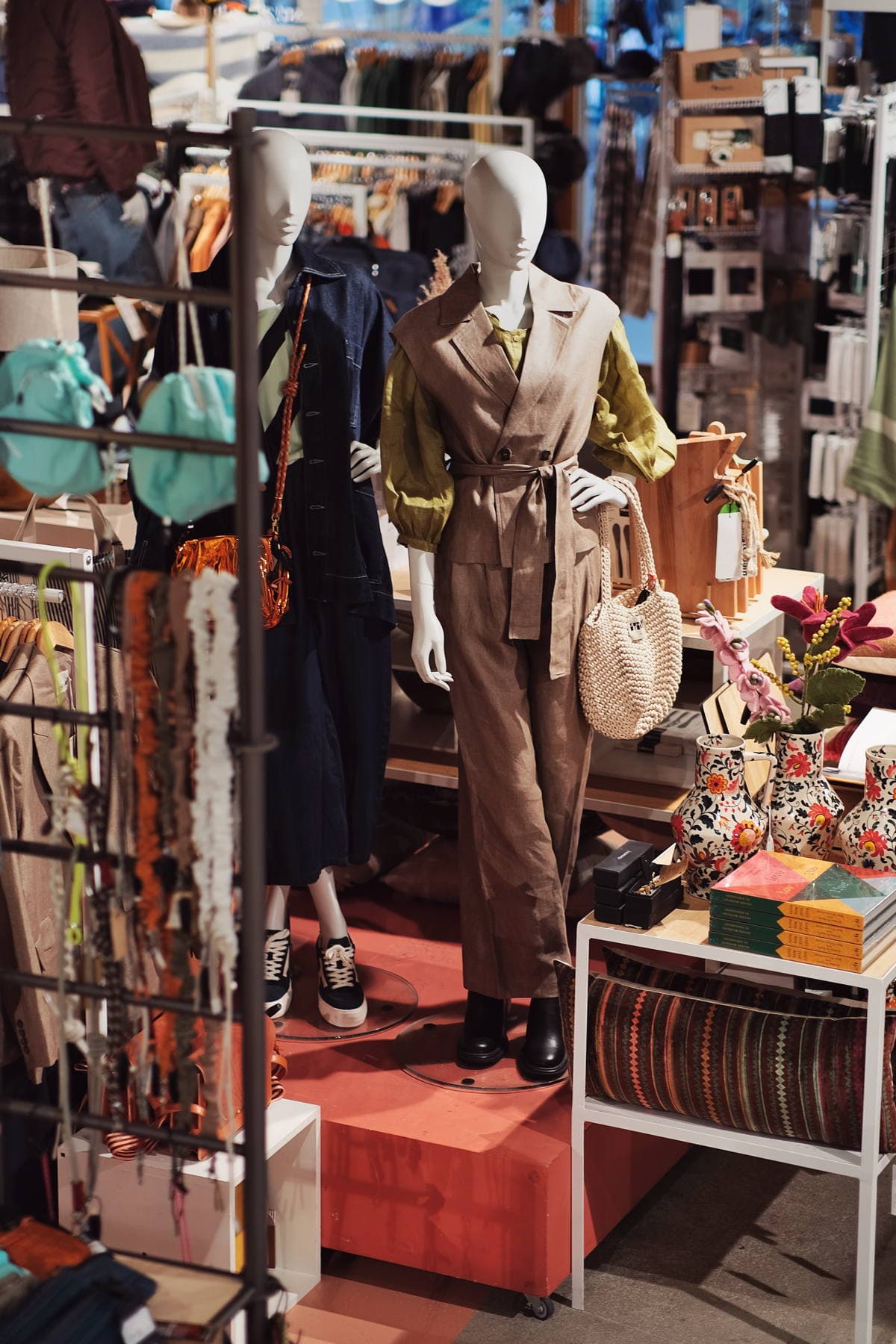
Amsterdam’s sustainable fashion scene is no longer a niche corner of the city. The harder question now is not whether the market exists, but who gets to survive inside it, because independent stores are competing with major brands that have learned to speak the language of sustainability while still undercutting them on price and reach.
Mainstream, but not protected
That shift matters because it changes what sustainable retail has to do to win. A small shop can no longer rely on being the only place with ethical credentials on the rack; it has to justify itself with curation, community and service. In practice, that means the city’s best independent stores are no longer selling only clothes. They are selling trust, repair, resale, local knowledge and a reason to return.
The pressure is especially sharp because the big players can treat sustainability as a layer of branding rather than a full operating model. They have larger marketing budgets, lower price points and far wider distribution, which makes the green message easier to broadcast and easier to discount. For independent retailers, the challenge is not just competition. It is visibility, customer acquisition and the simple cost of keeping a physical presence alive in a market where the logo on the hangtag may be green, but the economics are not.
The retail math is unforgiving
That math becomes clearer in a city like Amsterdam, where the format of a store matters as much as the label selection. Het Faire Oosten, the Amsterdam-East department store that has operated since 2014, occupies a 450 m² space. That kind of footprint gives sustainable fashion room to breathe, but it also means the business has to keep drawing people through the door. Every square metre has to earn its keep, and every customer visit has to be won against a crowded field of boutiques, swap shops, vintage stores and chain stores all competing for the same attention.
COSH! describes Amsterdam as having a dense network of sustainable boutiques, swap shops, vintage stores, local ateliers and repair-focused businesses, including The Swapshop, OurCloset, Brandmission and Het Faire Oosten. That density is a strength, but it also creates a price-sensitive market where shoppers can compare, browse and walk away with ease. The stores that hold up best are the ones that give the city something the larger brands cannot: a sharper edit, a better fit, a repair counter, a swap system or the feeling that a garment will keep living after the first season.
A regional industry with real weight
This is not just a retail story. The Municipality of Amsterdam and the Metropolitan Region of Amsterdam have set a target of becoming fully circular by 2050, which puts fashion into a much larger policy frame. The Metropolitan Region of Amsterdam accounts for about 25% of the Dutch textile industry, and a circular-textiles guide says the region has more than 2,200 businesses and 20,000 jobs in the sector.
Those numbers matter because they show how much is riding on the health of the city’s fashion ecosystem. Independent shops are not isolated lifestyle businesses. They are nodes in a wider system that includes design, resale, alterations, repair, recycling and sourcing. When they struggle, the ripple effect reaches the entire circular chain, from the atelier doing repairs to the startup trying to build a new materials pipeline.
The network that keeps clothes in circulation
Amsterdam’s sustainable-fashion advantage is the breadth of that network. I amsterdam has highlighted circular-fashion projects such as upcycling, fashion libraries and fiber-to-fiber recycling, and in 2025 it described local companies as pushing a more circular future for the textile industry. That mix gives the city a distinct identity: not just a place to buy more responsibly, but a place where garments can be extended, reworked and re-entered into the system.
That is also why the city’s strongest sustainable retailers feel more like community infrastructure than simple shops. A swap store brings in people who might never buy a full-price ethical dress. A vintage store lowers the barrier to entry for shoppers who want individuality without a premium label. An atelier or repair-focused business turns maintenance into style, which is the kind of quiet luxury that actually makes environmental sense. In Amsterdam, the sustainable wardrobe is built less around novelty than around longevity.
From concept to factory floor
The next stage of the city’s ambition is industrial. Impact Hub Amsterdam’s fashion ecosystem, the NewTexEco research community and the Circular Innovation Collective all sit inside the same push to make circularity measurable rather than aspirational. The Circular Innovation Collective says its textile pilot is meant to help the Metropolitan Region of Amsterdam reach 70% circular textiles by 2030, which is the sort of target that gives the city a deadline and a direction.
Brightfiber Textiles pushes that logic further. I amsterdam says the Amsterdam facility opened in 2025 and describes it as the world’s first fully circular textile factory, built to transform discarded clothing into premium raw materials for new fashion. That is the industrial backbone the retail scene has been waiting for: a way to connect what shoppers discard with what designers need next. If sustainable fashion is going to survive as more than an aesthetic, it needs exactly that kind of loop.
What still has a future
The retailers most likely to endure are the ones that do several jobs at once. They sell, but they also repair, swap, resell, alter and educate. They live inside the city rather than above it. And they understand that in a market where large brands can borrow the vocabulary of sustainability without losing their scale advantage, the independent store has to offer something more durable than a message.
Trellis has already described Amsterdam as a trailblazer for circular fashion, backed by local government and a strong startup scene. That reputation still holds, but the story has moved from promise to pressure. The future of the city’s sustainable fashion scene will belong to the businesses that can turn circular values into real operating models, not just visual language. In Amsterdam, the greenest store is no longer the one with the loudest manifesto. It is the one that can keep clothes, customers and cash flow moving in the same direction.
This article was produced by Prism’s automated news system from verified source data, official records, and press releases, then run through automated quality and moderation checks before publishing. The system is built and supervised by the people who set the standards it runs under. Read our full AI policy.
Did this article answer your question?


