Anya Hindmarch brings recycled Mini Universal Bag to Selfridges
Selfridges gave Anya Hindmarch’s recycled Mini Universal Bag a premium reset, testing whether anti-plastic design can scale beyond Tesco’s 500-store rollout.
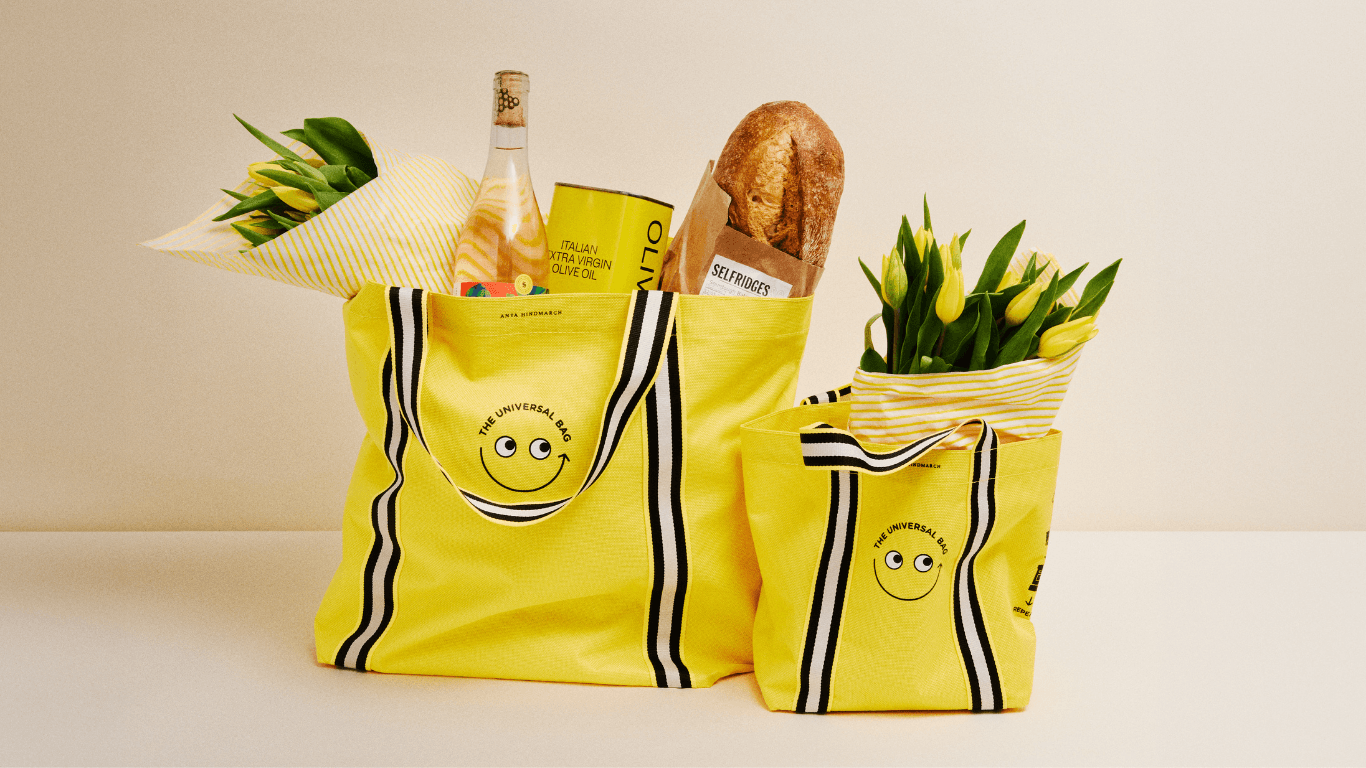
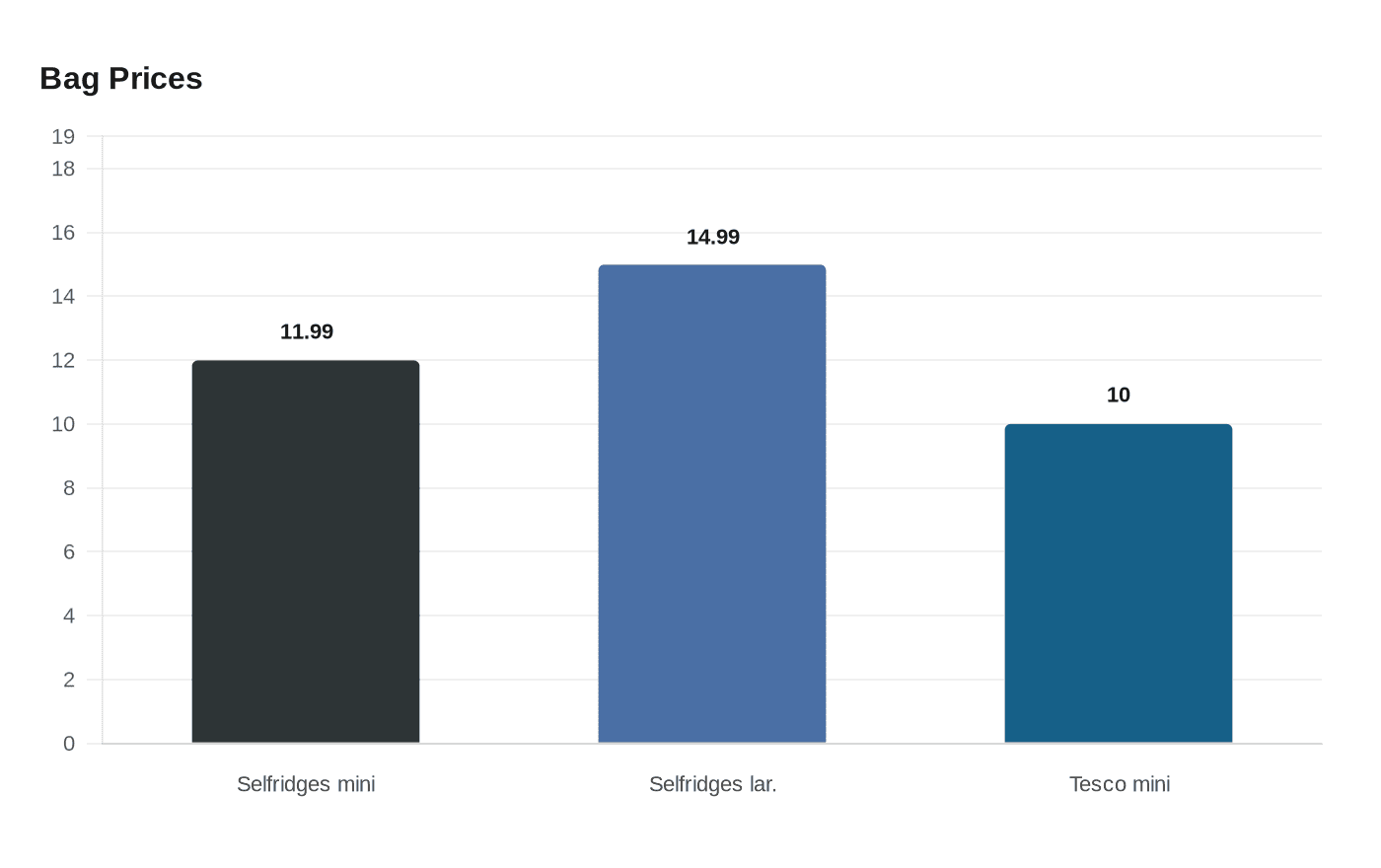
Anya Hindmarch’s Mini Universal Bag has moved from Tesco’s grocery aisles to Selfridges’ Foodhalls, and that shift says as much about class and convenience as it does about recycling. The bag arrived in limited numbers in London, Manchester and Birmingham, with Selfridges selling the mini for £11.99 and the original larger size for £14.99. The Selfridges edition swaps in the retailer’s yellow Pantone with black and white handles, turning a reusable into something closer to a status object.
The timing matters. Tesco became the first UK partner to carry the new mini in March 2026, rolling it out in more than 500 stores nationwide at £10. That mass-market launch is the real test of whether a designer-led reuse scheme can escape novelty and become habit. Selfridges, by contrast, gives the project polish, scarcity and a neat bit of retail theatre. Both matter, but only one has scale.
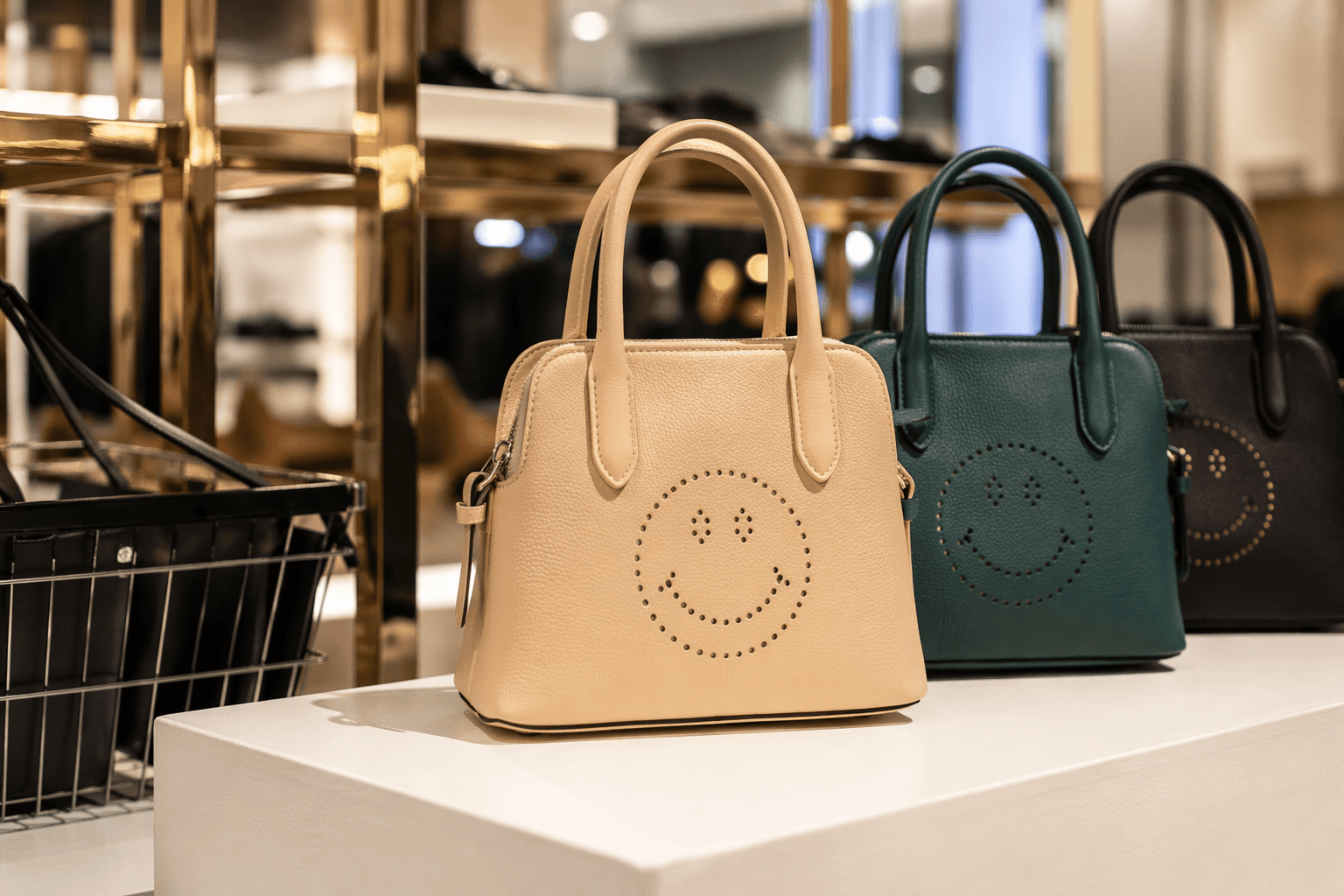
The Universal Bag project began in 2021 after two years of research and exploration, and Anya Hindmarch describes it as her most ambitious sustainability project to date. The bag’s fabric, including the handles, is made from 100 percent recycled plastic and is certified under Global Recycling Standard criteria. It also carries a built-in freepost returns pocket for end-of-life recycling and comes with a 10-year guarantee, details that push it beyond souvenir tote territory and into the harder business of actual circularity.
The wider project now stands as the 36th edition in a global lineup that includes UK partners such as Waitrose, Aldi, Morrisons, Asda, Co-op and Whole Foods, alongside international partners in Japan, Hong Kong, Australia and the Philippines. Since launching in 2021, the scheme has collaboratively saved more than 546 tonnes of plastic from landfill, up from 433 tonnes in an earlier March 2026 Tesco note, a gain that suggests the rollout kept moving after the first wave of attention.
There is precedent for this kind of handbag-as-cause marketing, and Hindmarch’s 2007 I’m Not A Plastic Bag moment still hangs over the story. She says the British Retail Consortium estimated UK plastic-bag use fell from 10.6 billion in 2006 to 6.1 billion in 2010, while Sainsbury’s cut the number of bags it gave away by 58 percent in the two years after the campaign. UK government data show single-use carrier-bag sales in major supermarkets fell by 95 percent between 2015 and 2020, yet nearly half a billion single-use plastic bags were still sold in England between 2020 and 2021. That is why the Universal Bag still has work to do. The challenge now is not whether it looks good in Selfridges, but whether it can change shopping behavior once the novelty sheen wears off.
This article was produced by Prism’s automated news system from verified source data, official records, and press releases, then run through automated quality and moderation checks before publishing. The system is built and supervised by the people who set the standards it runs under. Read our full AI policy.
Did this article answer your question?


