Apparel Federation urges fashion to cut waste, rethink sourcing
Fashion’s real losses are in unsold stock, not factory cents. The Apparel Federation wants brands to stop chasing the cheapest order and start paying for less waste.
Fashion’s cheapest factory line is being challenged from the top. The International Apparel Federation has issued a manifesto telling brands, retailers and manufacturers to move away from lowest-cost sourcing and toward end-to-end productivity, shared value creation and less overproduction.
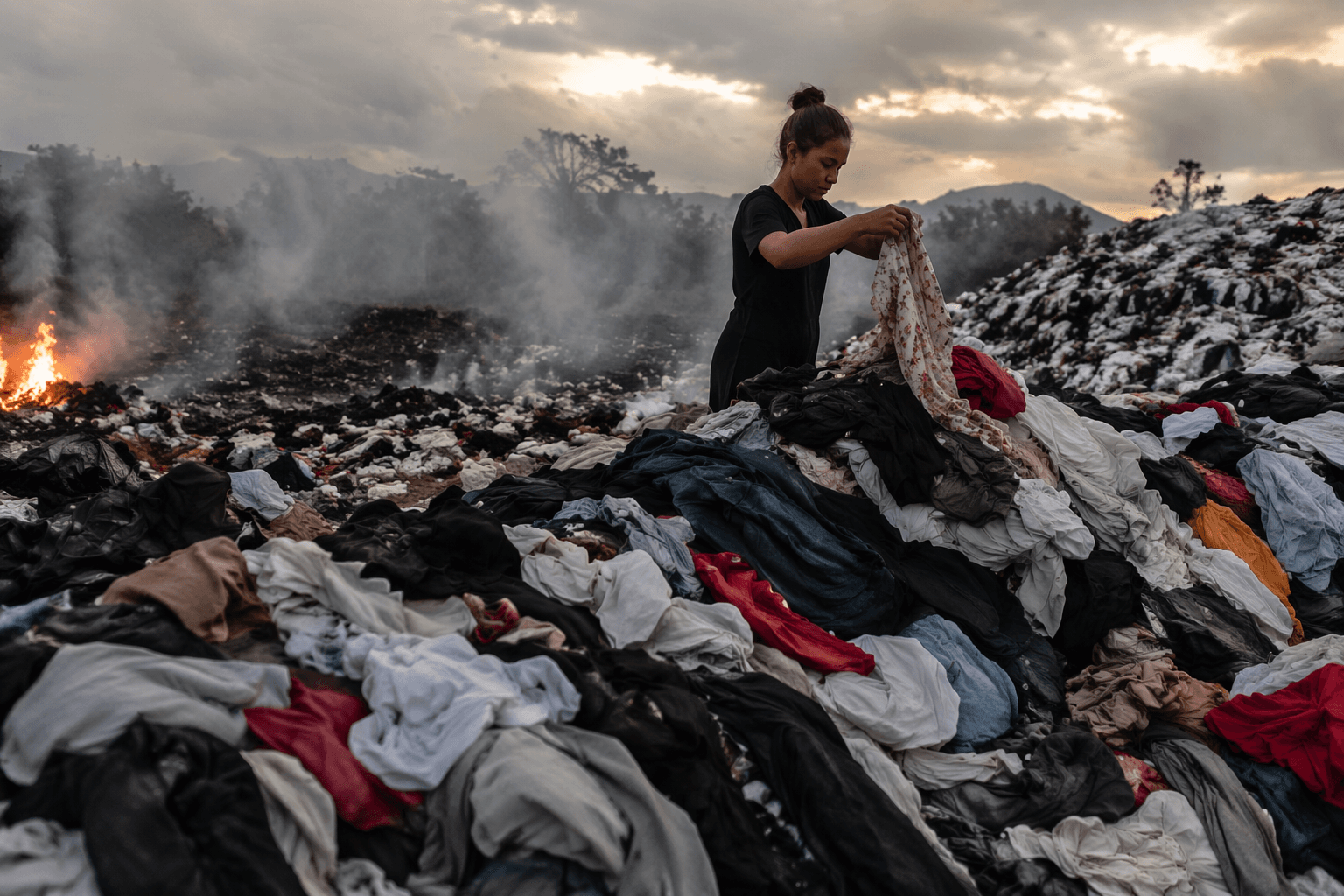
The argument lands where the industry is most exposed: not on the unit cost of a shirt or a dress, but on the cost of everything that comes after it. The federation says fashion’s biggest losses come from excess inventory and markdowns, a blunt reminder that a bargain at the point of production can become an expensive mistake on the sales floor. In other words, the obsession with shaving pennies off factory pricing has often produced racks full of the wrong goods, delivered in the wrong volumes, at the wrong time.
That is why the manifesto matters beyond its jargon. “Smart manufacturing” in practice would have to mean more accurate forecasting, tighter coordination between suppliers and buyers, and a willingness to make fewer, better-timed decisions instead of flooding the pipeline. It would also mean a harder conversation about margins. If brands want lower overproduction and fewer markdowns, they cannot keep demanding impossible prices from factories while expecting more flexibility, shorter lead times and cleaner inventory management.
The federation’s push also reframes responsibility across the supply chain. Manufacturers are being asked to do more than cut costs; they are being asked to help create value. Retailers, meanwhile, would have to accept that the old race to the bottom can quietly destroy the economics of the whole season. A garment that is cheap to make but expensive to clear is not efficiency. It is waste dressed up as discipline.

For a sector still addicted to discount cycles and volume targets, the manifesto reads less like an abstract policy paper than a challenge to fashion’s operating system. The real test is whether brands are prepared to give factories the longer timelines and fairer pricing that make smarter production possible, or whether they will keep pretending that the lowest bid is the same thing as good business.
This article was produced by Prism’s automated news system from verified source data, official records, and press releases, then run through automated quality and moderation checks before publishing. The system is built and supervised by the people who set the standards it runs under. Read our full AI policy.
Did this article answer your question?


