April’s sustainable fashion launches celebrate craft, heritage and conscious design
April’s strongest launches sell sustainability as something you can wear to a wedding, a shift, or every day, with craft and utility doing the heavy lifting.
What is selling now
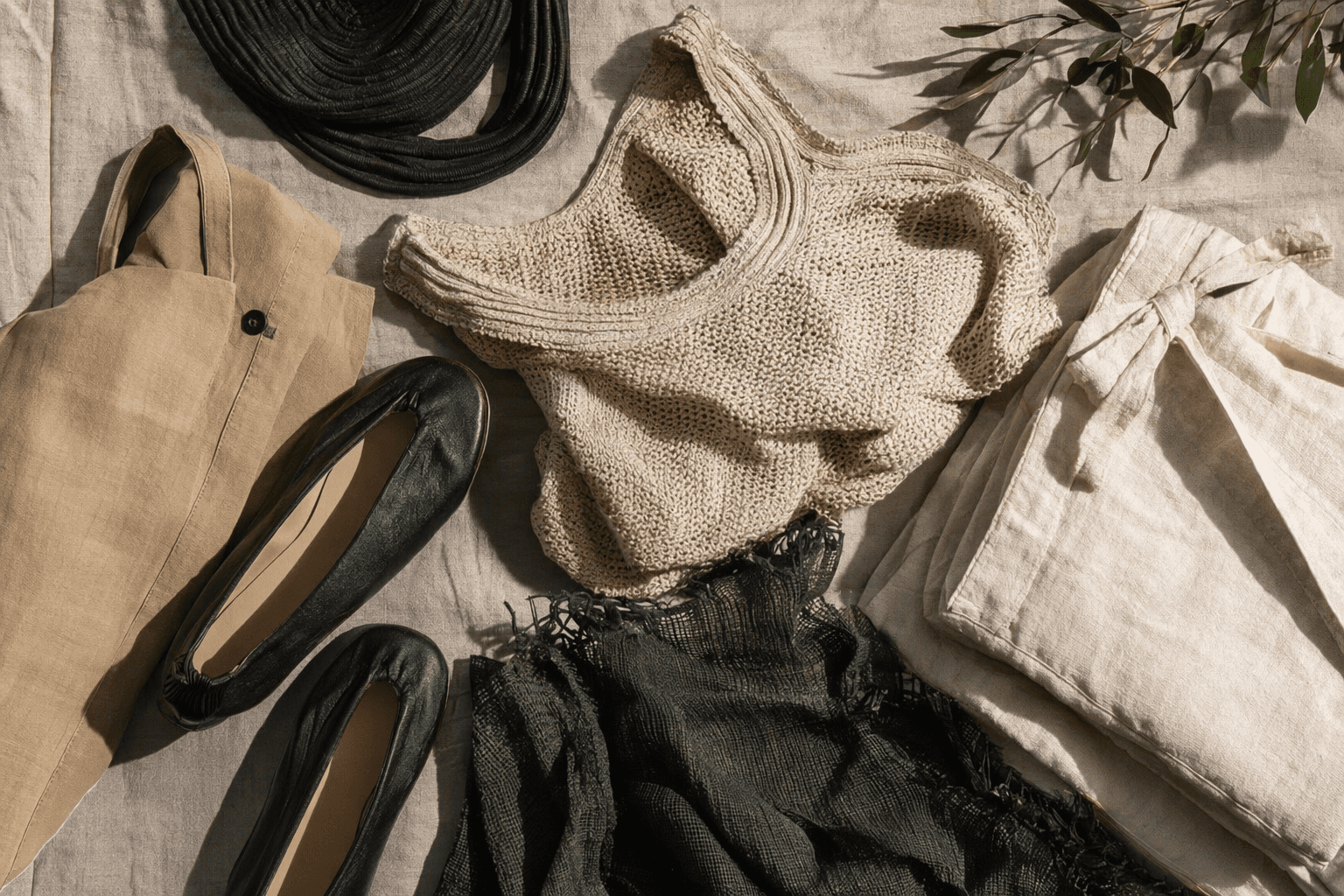
Hundreds of hours of handwork, a Tokyo uniform drop built from denim, and a Varanasi-born accessory story are doing what most sustainable-fashion launches still struggle to do: make responsibility look like a purchase worth making. April’s launches span bridal couture, beach drops, heritage craft, conscious basics, fine jewellery and statement sneakers, but the clearest commercial pattern is not abundance. It is restraint. Brands are betting that shoppers will pay for pieces that feel rooted in place, useful in real life and rich enough in material intelligence to outlast one season.
That is the real shift beneath the surface. ELLE India’s recent sustainability coverage has been circling the same ideas again and again: traceability, circularity, artisan collaboration and the unease around greenwashing. In other words, the market is no longer rewarding vague virtue. It is rewarding proof. The launches that matter most this month are the ones that can answer a shopper’s private questions before she asks them: where did this come from, who made it, and will I actually wear it enough to justify the cost?
Heritage bridal still commands the highest proof of value
Ritu Kumar’s The Wedding Collection is the clearest example of how craft still anchors the most commercially persuasive form of sustainable luxury. Dhaka Jamdani is reworked in organza, Farrukhabad block prints are set into patchwork, and Kalamkari is elevated with gold embroidery on tissue silk. The language here is not novelty; it is inheritance, translated with enough freshness to feel current without severing its roots.
The collection’s power lies in labor made visible. Hundreds of hours of artisan handwork are built into the bridal pieces, and that is exactly what makes the proposition credible to a modern wedding customer. Bridal buying has always tolerated high prices when the emotional and material stakes are clear. What has changed is that the bride now wants the craft story to be legible as part of the value, not hidden behind it.
The Spring Summer ’26 palette, with its softer pastels, whites and khakis, sharpens that shift further. It points to a bride who wants ceremony without visual overload, and prestige without the old weight of bridal excess. In commercial terms, that is why heritage bridal remains one of the most durable sustainability-adjacent categories: the consumer already expects to invest, so the brand has room to justify every stitch.
Conscious activewear is becoming uniform, not just gymwear
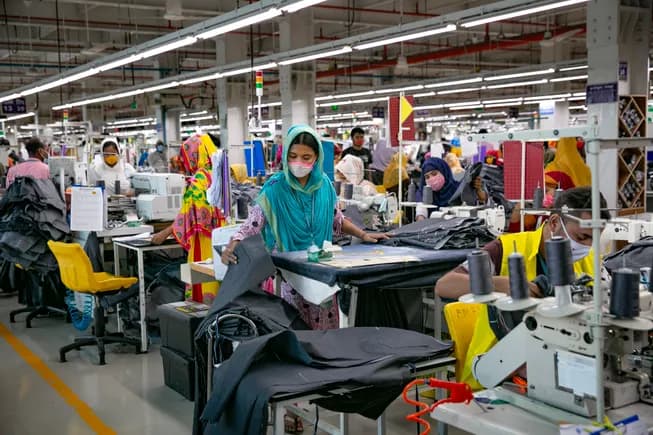
Onitsuka Tiger’s exclusive uniform collection for Soho House Tokyo’s opening earlier in April takes a different route to the same end. Rooted in the brand’s DENIVITA denim series, the collection leans into workwear-inspired jackets, loose-fit jeans and multi-pocket aprons, a vocabulary that feels more utilitarian than decorative. At Soho House’s first Japanese outpost, the message is quietly pointed: this is clothing designed to be worn hard, not merely photographed once.
The 1950s workwear reference matters because it changes the way people read the clothes. Instead of promising sustainability as a moral badge, the collection sells durability, repetition and ease. That is a smarter proposition in a market where many consumers are growing tired of disposable athleisure and synthetic polish. If a garment can survive movement, service, cleaning and reuse, it starts to feel like a better buy than something that looks sustainable only in the campaign image.
Onitsuka Tiger’s 1949 heritage gives the collaboration even more weight. The brand is not borrowing seriousness for a season; it is drawing on a long-standing identity built around performance and craft. That makes this uniform story especially interesting. It suggests that conscious dressing is moving away from aspirational sport and toward clothes that function in real life, where wearability is the most convincing form of sustainability.
Craft-led accessories need a place, not just a logo
Nicobar’s River Series Chapter Three shows how place-based storytelling can still carry commercial force, especially when it is anchored in a destination people can picture. In its tenth year, the series turns to Varanasi and the Ganga, translating ghats, marigold offerings, paan leaves, hand-painted walls and layered posters into prints, patches and embroideries. The result is not a generic India moodboard. It is a collection with a specific geography and a clearly wearable design language.
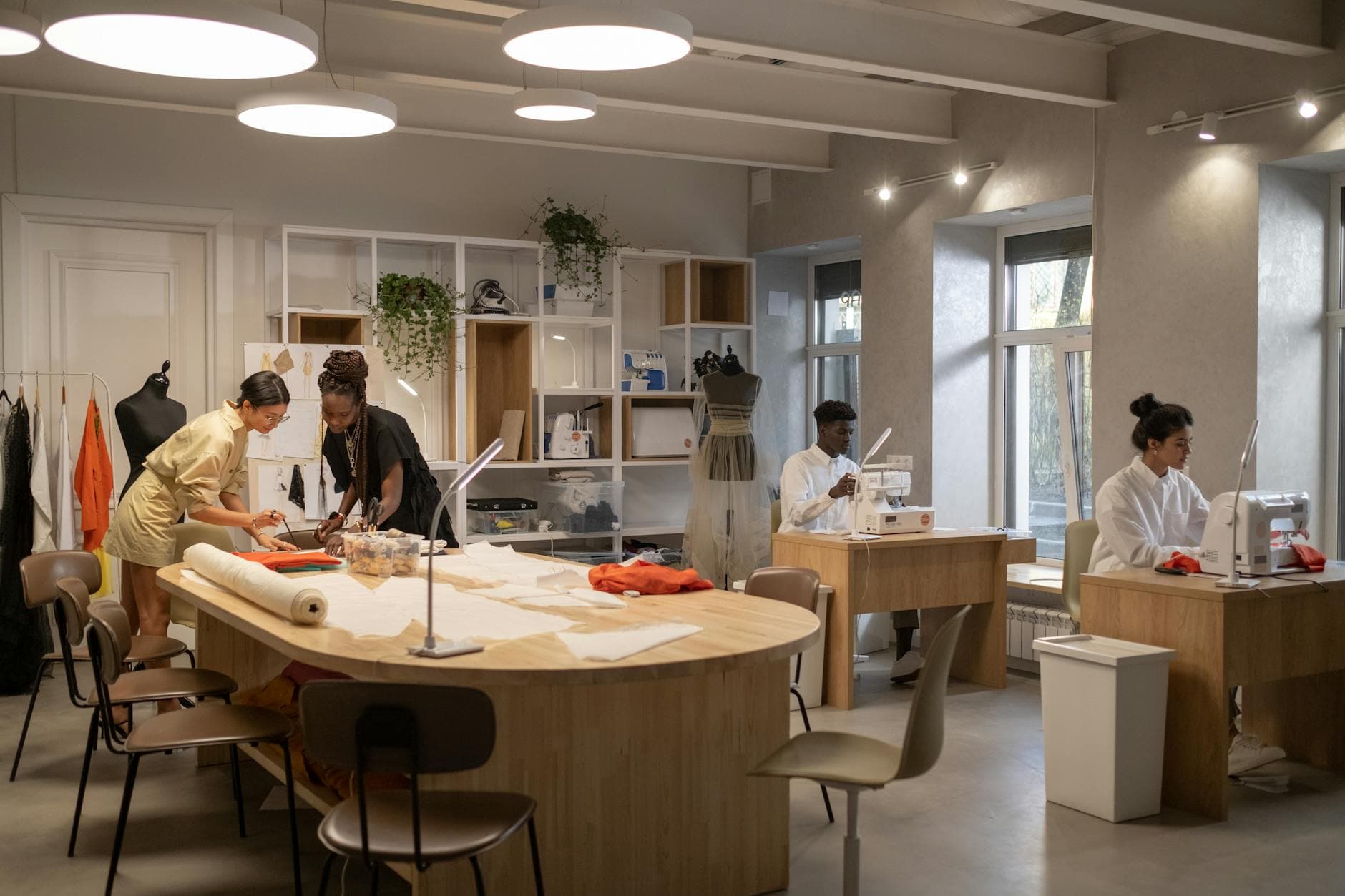
That specificity is exactly why craft-led accessories and smaller fashion propositions continue to gain traction. The same logic is visible in Italy-inspired collaborations such as Rahul Mishra x Tod’s, where Indian craftsmanship and Italian savoir-faire are framed as a shared luxury code rather than a cultural garnish. Consumers are responding to objects that feel collectible because they have a point of view, not because they have been decorated with sustainability vocabulary.
This is also where the roundup’s fine jewellery and statement sneakers matter, even without the same level of detail. Those categories already trade on material value and finish, so they are natural homes for sustainability-adjacent thinking. When the product itself feels durable, tactile and made to be kept, the story around it can be about provenance rather than persuasion.
What these launches say about the market
Taken together, April’s strongest launches reveal a more disciplined version of conscious fashion. Brands are not chasing every sustainability-coded lane at once. They are concentrating on the categories where consumers already have permission to spend: bridal wear, uniforms and workwear, accessories with a sense of place, and special-occasion pieces that feel worth preserving.
That is the commercial lesson. Traceability, circularity and artisan collaboration are persuasive because they give a garment a reason to exist beyond the scroll. A bridal piece can justify its hours of handwork. A denim uniform can justify its utility. A Varanasi-inspired series can justify its emotion. The brands making the most progress are the ones that understand a simple truth: sustainability sells most cleanly when it arrives as something beautiful, specific and difficult to throw away.
This article was produced by Prism’s automated news system from verified source data, official records, and press releases, then run through automated quality and moderation checks before publishing. The system is built and supervised by the people who set the standards it runs under. Read our full AI policy.
Did this article answer your question?