Armedangels unveils wood-based windbreaker, aiming for synthetic-free outerwear
Armedangels has pushed a wood-based windbreaker into the PFAS debate, turning a clean-looking jacket into a test of whether performance outerwear can shed petrochemical inputs.

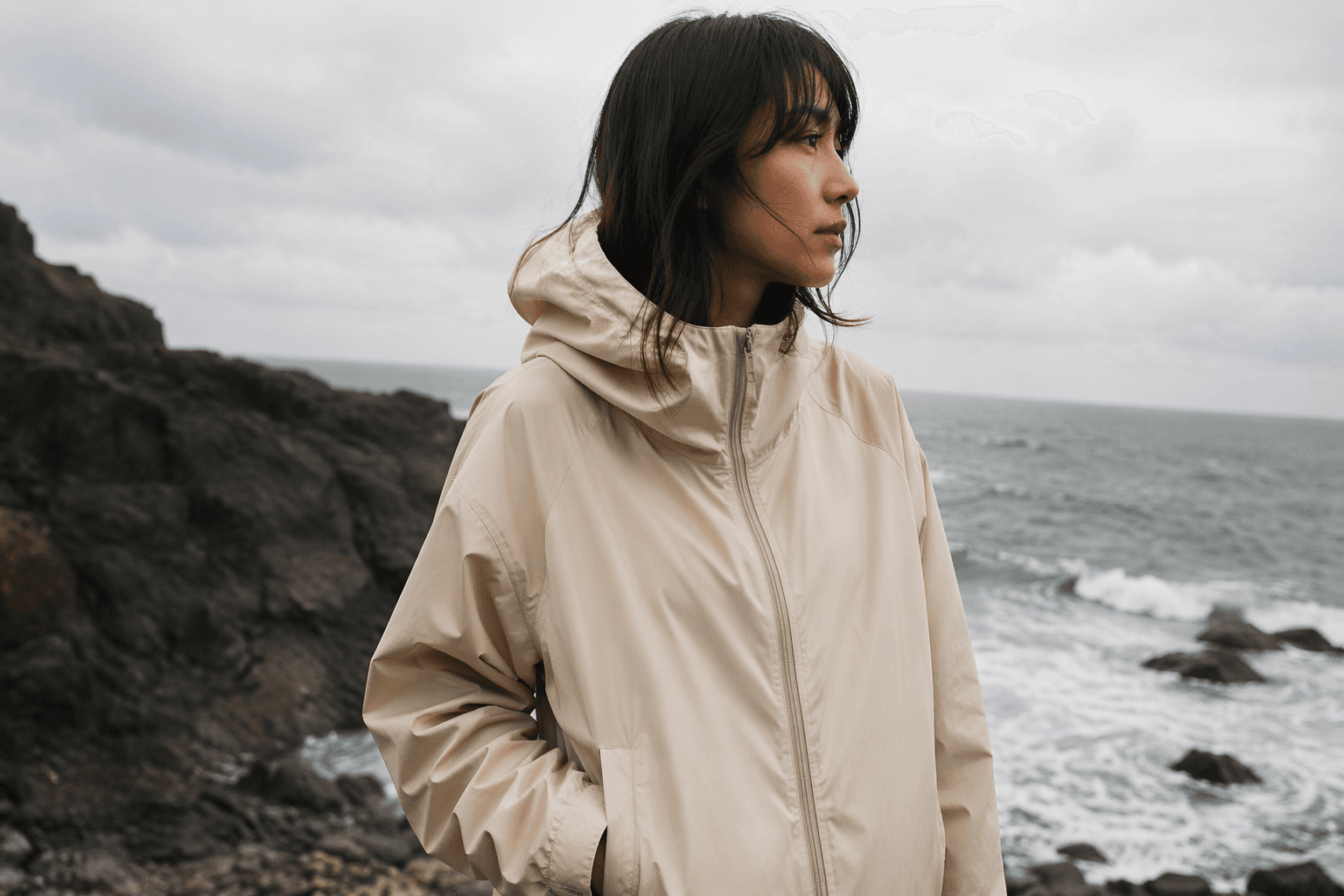
Armedangels has taken a sharp swing at one of outerwear’s hardest habits: its reliance on fossil-based synthetics. The Cologne label’s new windbreaker was developed with Lenzing, Montebelo and the Taiwanese fabric manufacturer Hermin, and it is built from a dense ripstop made entirely of TENCEL Lyocell fibres, with no petroleum-based synthetics, membranes or PFAS.
That detail matters because the jacket is not being framed as a niche concept piece. Armedangels describes it as lightweight, quick-drying and all-gender outerwear for transitional seasons and unpredictable weather, the sort of shell that has to earn its place in a wardrobe by doing real work. In other words, the brief is not romance, but performance: block the wind, shrug off rain, hold up to wear, and do it without the chemical architecture that has defined technical clothing for decades.
Lenzing’s role is central to the pitch. The Austrian group says TENCEL Lyocell fibers are cellulosic fibers derived from wood, known for high tenacity and strong moisture uptake, and produced through a closed-loop process. It also says its TENCEL Lyocell and Modal fibers come from controlled or certified origins that meet FSC or PEFC standards, which gives the material story a traceable backbone at a time when supply chains are under heavier scrutiny.
The launch lands in the middle of a much broader reckoning with PFAS, the large class of chemicals the U.S. Environmental Protection Agency says persist in people, animals and the environment. Recent scientific research has also found that PFAS used in outdoor jackets can exceed regulatory limits after use, a reminder that the issue is not abstract. For performance brands, the question is no longer whether a jacket can be waterproof in a showroom. It is whether it can stay functional after months of abrasion, laundering and weather exposure without leaning on chemistry that regulators, scientists and consumers increasingly distrust.
Armedangels has already signaled that this is not a one-off gesture. The brand signed onto ZDHC’s Roadmap to Zero program and launched its Impact Roadmap in 2025, both signs that it wants broader chemical management, not just a headline fabric swap. This windbreaker reads as the first move in that strategy: a proof point that cellulose-based materials can be engineered into something sharper than a feel-good capsule.
The real pressure test begins now. If Armedangels wants this to become more than a showcase jacket, mills will have to scale the fabric consistently, trims suppliers will have to keep pace, and brands will have to prove that synthetic-free outerwear can meet the unforgiving standards of weather protection, durability and cost. That is where the future of performance dressing will be decided.
This article was produced by Prism’s automated news system from verified source data, official records, and press releases, then run through automated quality and moderation checks before publishing. The system is built and supervised by the people who set the standards it runs under. Read our full AI policy.
Did this article answer your question?


