Avalo uses AI breeding to cut cotton water use and emissions
Avalo says AI-bred cotton can use less water and fertilizer, cut emissions 30%, and ease Scope 3 pressure as it plants with Texas farmers.
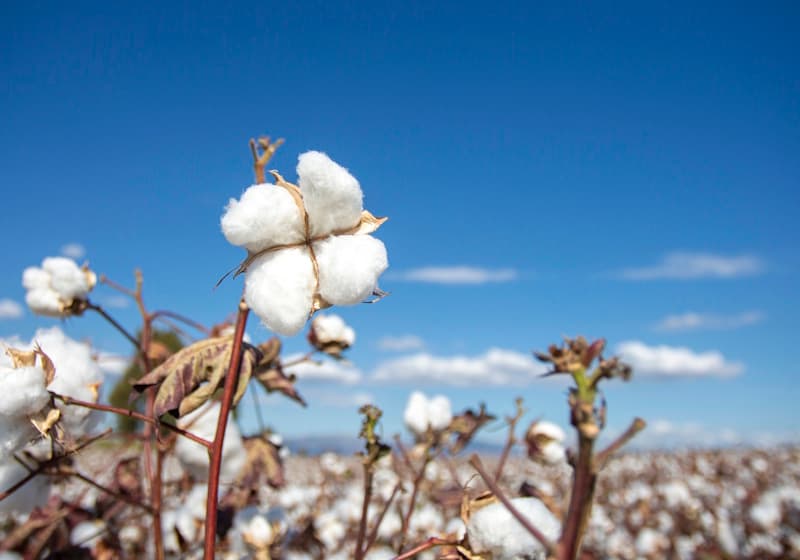
Cotton is fashion’s most exposed raw material when heat tightens water supplies and fertilizer prices bite into farm margins. Avalo, based in Durham, North Carolina, is betting that AI breeding can turn that pressure into a more resilient fiber source, using its Rapid Evolution Platform to develop cotton that needs less water and fewer nutrients while holding yield steady.
The company says that efficiency translates into a carbon story brands can actually use: Avalo Cotton generates 30% fewer carbon emissions than traditional cotton because it is more water- and nutrient-efficient. That matters far beyond fiber charts and sustainability decks. For brands staring down Scope 3 emissions, the cheapest carbon cut may not come from a dye house or distribution center, but from the field where the bolls are grown.
Avalo sharpened that pitch on June 11, 2026, when Mike Johanns joined the company as a strategic adviser. Johanns, who served as U.S. Secretary of Agriculture, U.S. Senator from Nebraska and governor of Nebraska, brings a pedigree rooted in farm policy rather than fashion theater. Avalo said the appointment, made in collaboration with Germin8 Ventures, fits its “Farmer First” strategy, a claim that will be judged not by branding language but by whether growers can make more money with less risk.
That is the real test. If Avalo’s low-input cotton truly cuts water and fertilizer use without denting yield, the upside is straightforward: lower operating costs for farmers and a less volatile fiber supply for brands. If the savings are swallowed by seed premiums, agronomic complexity or inconsistent performance, the burden simply shifts further down the chain. Avalo’s pitch only works if the economics improve at the farm gate, not just in a corporate sustainability report.
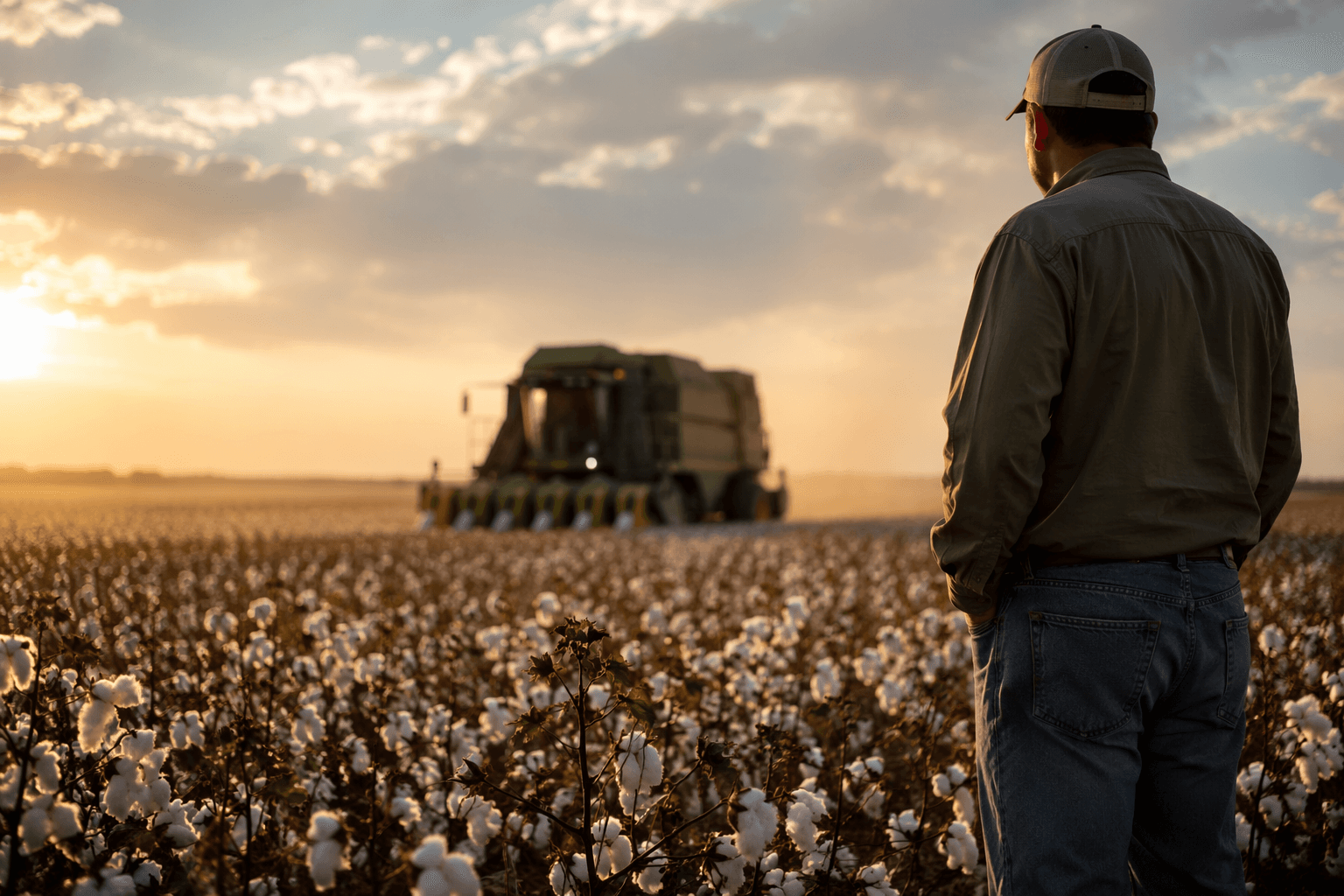
Earlier reporting says Avalo raised $11 million to develop low-input resilient crops, starting with cotton and sugarcane, and has been planting cotton with farmers in Texas to gather feedback and data. The company says broader commercial availability is targeted for 2026 and beyond, which makes the next harvests decisive. In a season when fashion is being pushed to prove its climate claims with harder numbers, AI-bred cotton is no longer just an agtech promise. It is becoming a live test of whether resilience can be engineered into the supply chain without asking growers to absorb the risk.
This article was produced by Prism’s automated news system from verified source data, official records, and press releases, then run through automated quality and moderation checks before publishing. The system is built and supervised by the people who set the standards it runs under. Read our full AI policy.
Did this article answer your question?