Avery Dennison and ReCircled automate garment sorting with RFID pilot
Avery Dennison and ReCircled pushed garment sorting to 99% accuracy, slashing scanning labor and turning each item into a trackable digital identity.
The real bottleneck in circular fashion is not shopper intent. It is sorting, the slow, error-prone work that decides whether a returned garment can be resold, recycled, or written off as waste. Avery Dennison and ReCircled just gave that chokepoint a hard test: an RFID pilot that automated garment data collection and sorting with up to 99% accuracy.
Completed on May 22, 2026, the pilot worked with two major global apparel brands and combined Avery Dennison’s embedded RFID tags with the atma.io connected product cloud to capture, store, manage, and share garment life-cycle data. The point was simple and ambitious: give every item a unique digital identity and see whether circular flows can move faster than human hands.

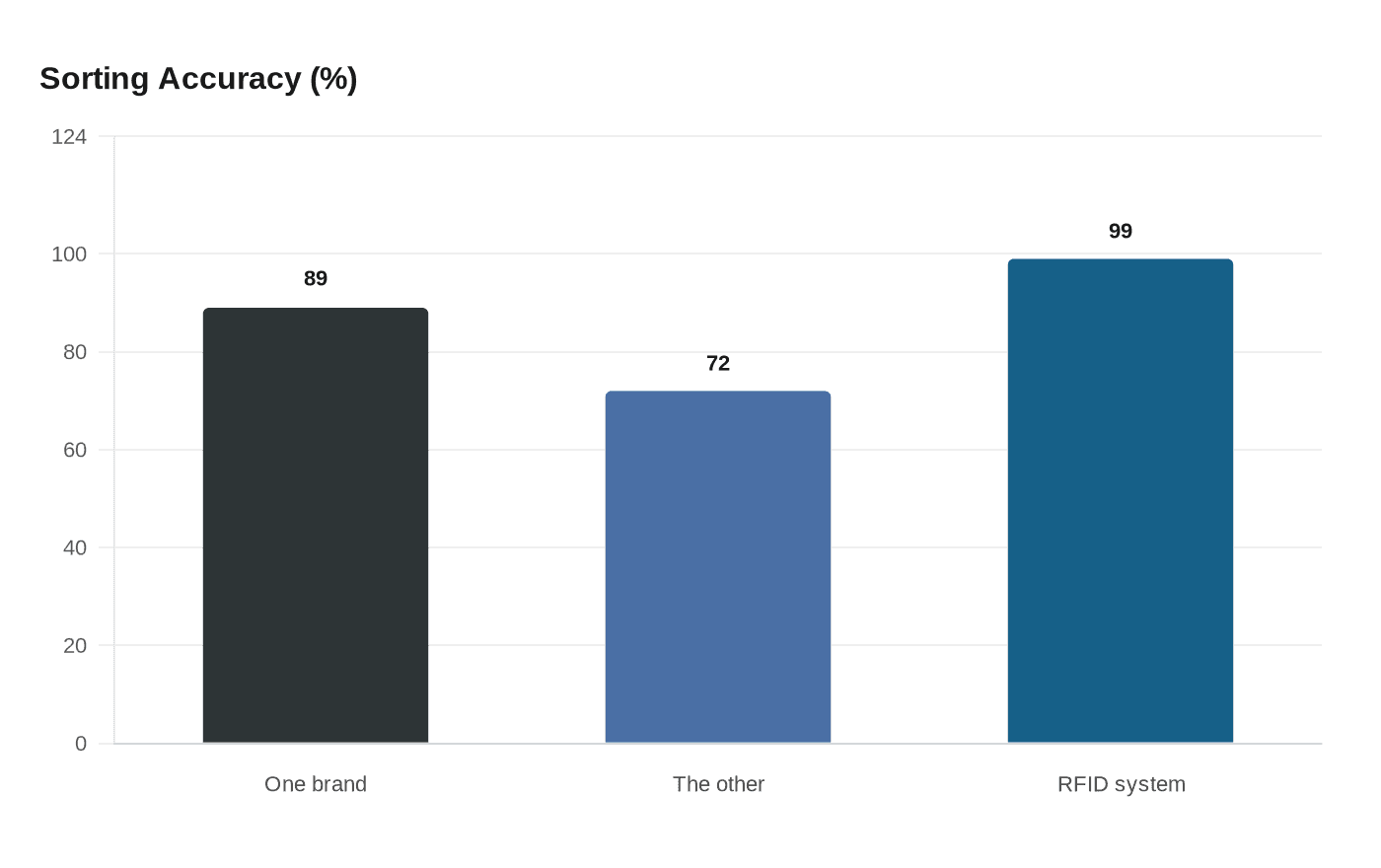
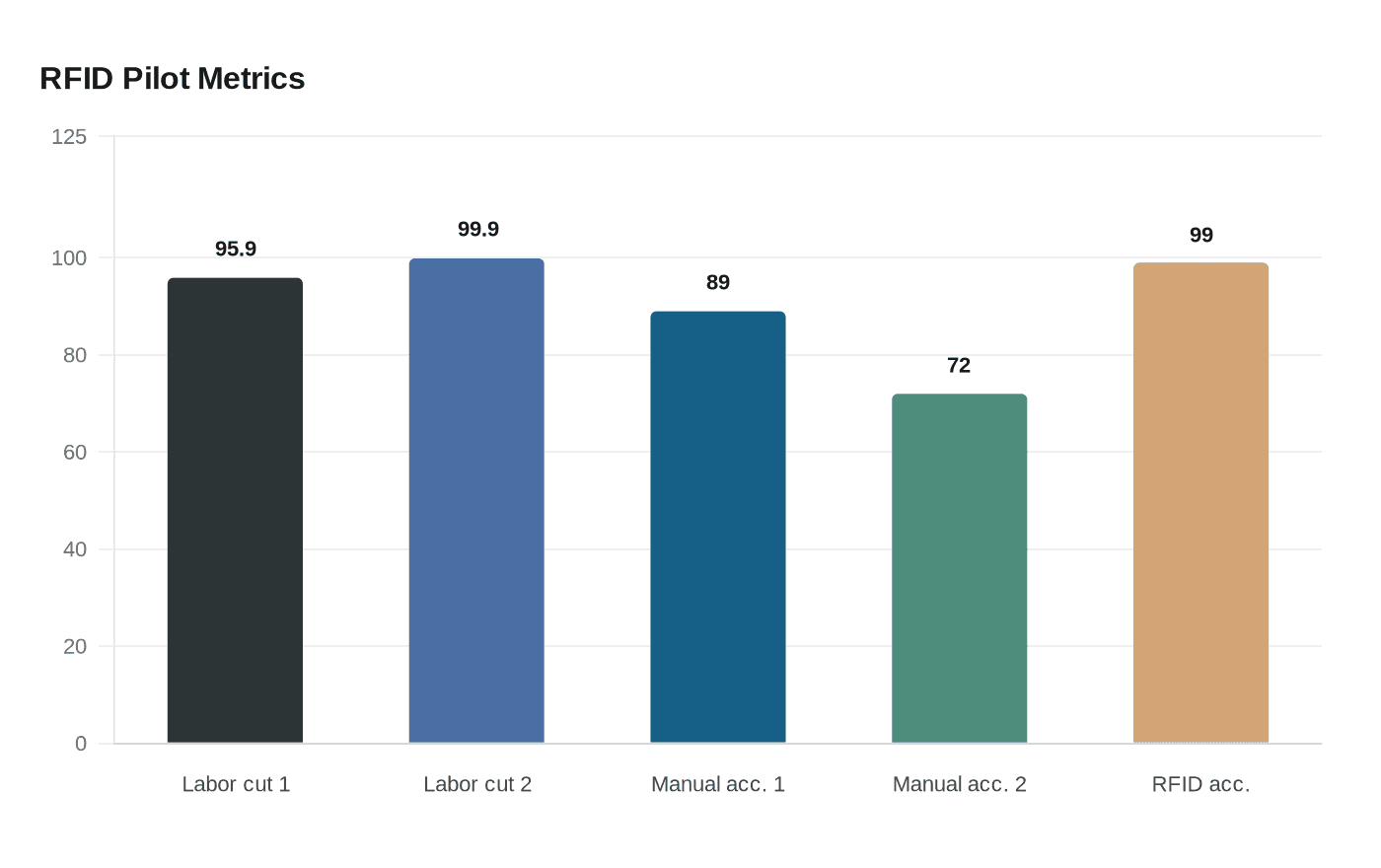
The numbers are stark. Avery Dennison said scanning labor hours fell by 95.9% for one brand and 99.9% for another. Manual sorting methods had reached only 89% accuracy for one brand and 72% for the other, while the RFID system delivered sorting accuracy as high as 99%. In a sector where margins are tight and returns pile up quickly, that kind of improvement is not cosmetic. It is the difference between a reuse system that scales and one that gets stuck in a warehouse.
The pilot also captured item-level data including Electronic Product Code, or EPC, and material weight, information that strengthens external reporting requirements and helps downstream processors know what they are handling before a single seam is opened. ReCircled said the technology removed cost and operational inefficiencies tied to manual product identification and misidentification, a problem that has long made textile recovery feel artisanal when it needs to feel industrial.
The timing matters. The European Union’s Waste Framework Directive requires separate collection systems for used textiles from 2025, and EU policy briefings say a textile extended producer responsibility scheme has been adopted alongside digital product passports and stricter ecodesign rules. That regulatory pressure is forcing circularity out of the realm of aspiration and into infrastructure. Avery Dennison has been making that case in its RFID for Circularity white paper, built on pilot work with TEXAID, ReCircled, ACS Clothing and CIRPASS-2. Its circularity tooling now supports more than 20 billion unique data points annually, a scale that suggests this is no longer a niche experiment.
The fashion industry has spent years talking about circularity in soft-focus terms. This pilot makes the next question far sharper: if a label can turn a garment into a reliable digital record, can it finally turn resale and recycling into a system that works at speed, at scale, and with enough traceability to satisfy both brands and regulators?
This article was produced by Prism’s automated news system from verified source data, official records, and press releases, then run through automated quality and moderation checks before publishing. The system is built and supervised by the people who set the standards it runs under. Read our full AI policy.
Did this article answer your question?